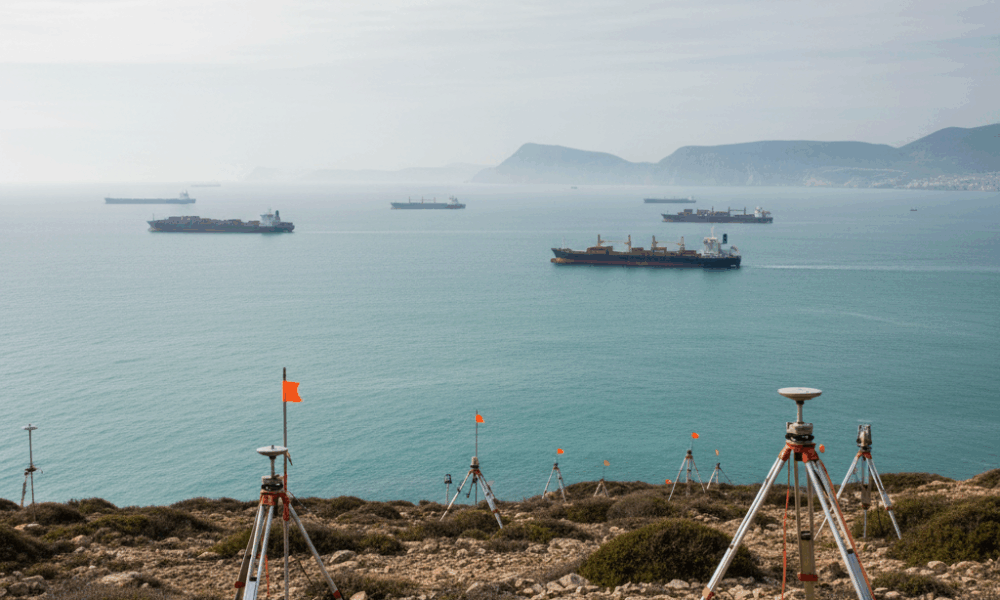
Morocco-Spain Tunnel, an old dream now achievable thanks to technical feasibility
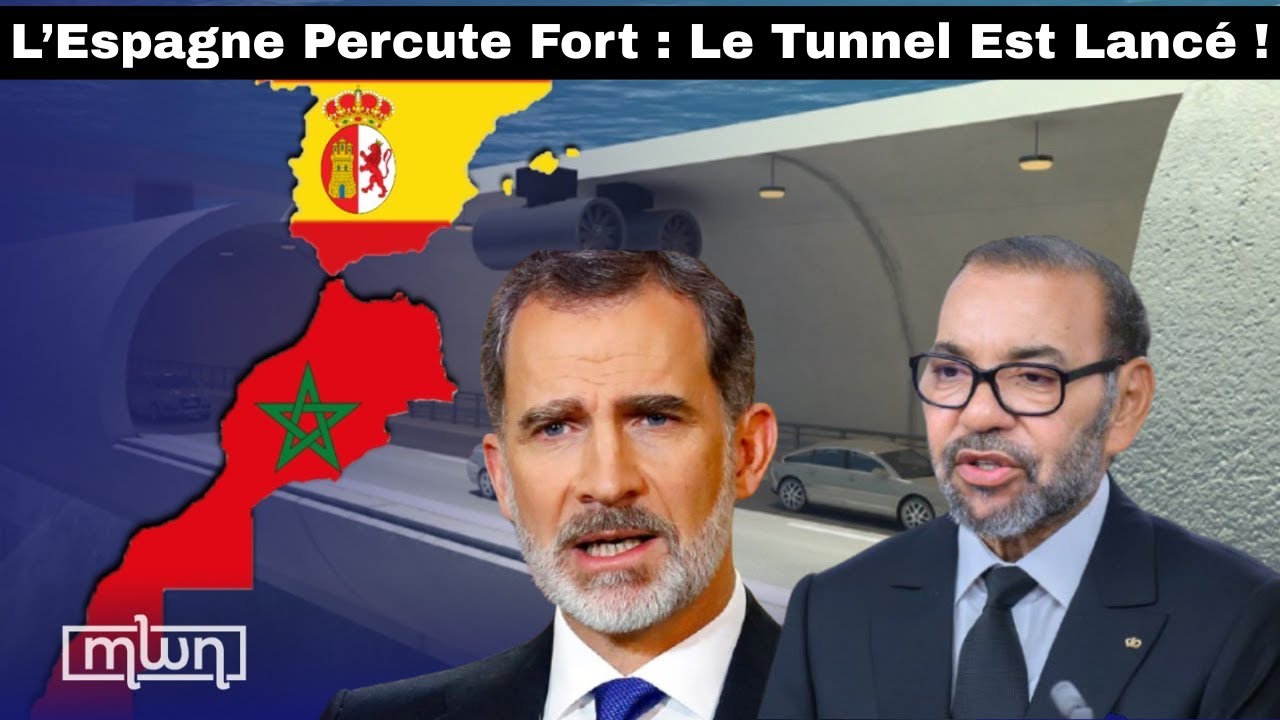
The submarine tunnel Morocco–Spain, long seen as a chimera, has taken a decisive step forward with the confirmation of its technical feasibility by the German company Herrenknecht, known for its giant tunnel boring machines. Recent studies, commissioned by public entities from both shores, validate drilling scenarios taking into account the Camarinal ridge, a sensitive geological area of the Strait of Gibraltar. This green light does not guarantee execution, but it removes the major technological barrier that held back the project since the 19th century, a time when the idea of a fixed link between Africa and Europe was already germinating.
The time window is becoming clearer. Initial milestones are discussed around 2030, resonating with the 2030 World Cup co-hosted by Morocco, Spain, and Portugal. Reasonable scenarios set a commissioning between 2035 and 2040, time enough to complete execution studies, assemble financing, and mobilize teams of engineering and public works. An important political step is expected by summer 2027, the target date for a joint decision on operational setup and binational governance.
Why this new momentum now? The maturity of pressurized tunnel boring machine technologies, lessons learned from the Channel Tunnel, and the increasing strength of Moroccan infrastructures (notably Tanger Med and the high-speed rail link Al Boraq) create a favorable context. On the other side, Andalusia is modernizing its axes towards Algeciras, while international transport flows between the Atlantic and the Mediterranean justify a reliable corridor in all seasons.
The final length and depth will depend on the definitive route, which should best circumvent the most unstable formations. The hypothesis of a main gallery with regular interconnections for safety and maintenance is imposed. The economic model mentioned is inspired by the Channel Tunnel: revenues combining freight and passengers, with possible long-term concession, and contribution from the European Investment Bank if the project obtains a label from the Union for the Mediterranean and fits into trans-European corridors.
- 🚀 Technological milestone passed by Herrenknecht’s validation.
- 🧭 Indicative schedule: target political decision 2027, milestones towards 2030, service 2035–2040.
- 🌊 Major geological challenge: the Camarinal ridge and pressure management.
- 🚄 Expected mixed use: freight and passengers on rail link.
- 🤝 Increased cross-border cooperation Morocco–Spain, with Euro-African anchoring.
| Key step 🗓️ | Main content 📌 | Actors 🧩 |
|---|---|---|
| Historical studies | Idea born in the 19th century, revived in the 20th | States, academics 🇲🇦🇪🇸 |
| Technical green light | Validation by Herrenknecht | SECEGSA, Moroccan bodies |
| Decision expected 2027 | Choice of financial model and governance | Governments, EIB, Union for the Mediterranean |
| 2030 milestones | Pre-construction, orders of tunnel boring machines | Engineering and public works consortiums 🔧 |
| 2035–2040 | Progressive commissioning | Tunnel operator 🚉 |
The summary is clear: the technological lock is lifted, leaving room for financial arbitration and skills mobilization.
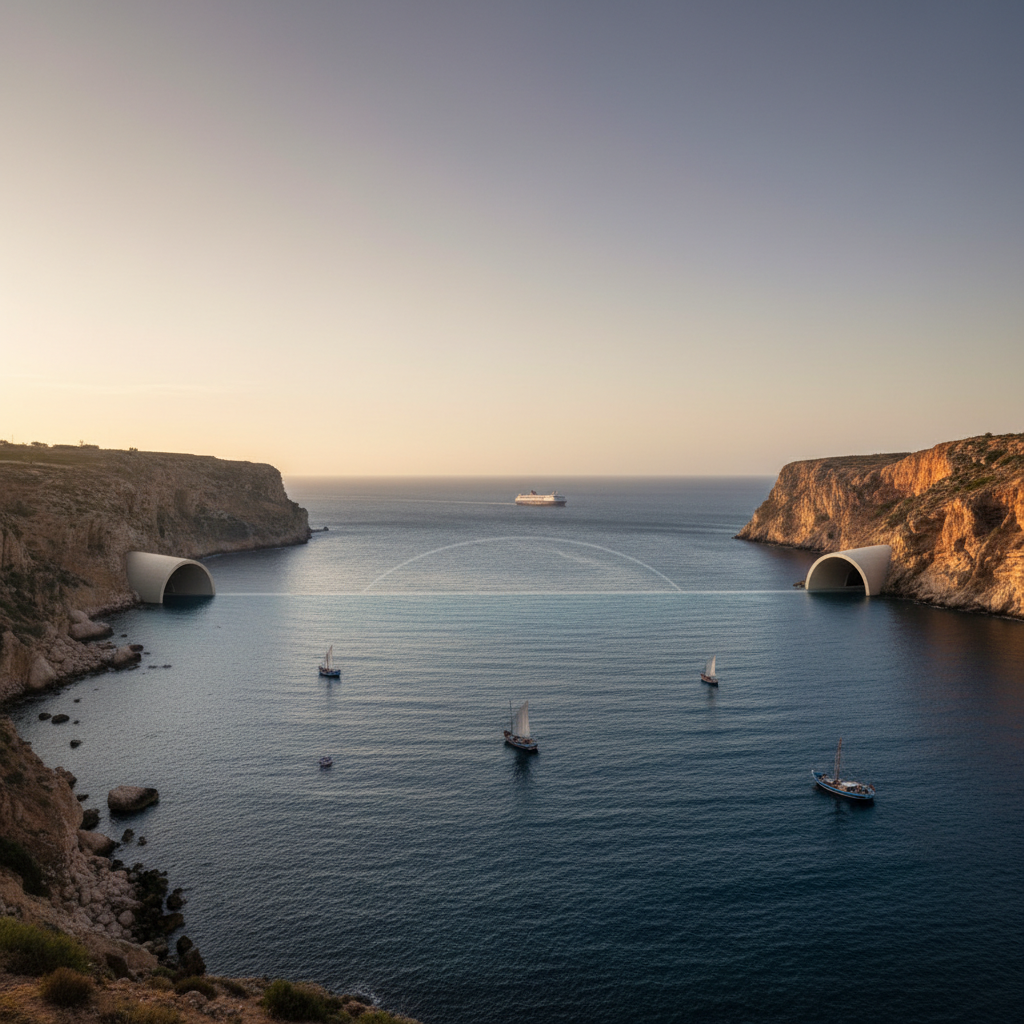
Economic effects and employment in Morocco: from public works to export value chains
The Morocco–Spain tunnel construction promises a massive impact on employment in Morocco, notably in public works, prefabricated element manufacturing, logistics, and services. The experience of the Channel Tunnel shows that such megaprojects create activity peaks over ten years, then permanent operational jobs. In the Tanger–Tétouan–Al Hoceïma region, already structured ecosystems around Tanger Med and the automotive sector can capture complementary markets: concrete segments, special steel, electromechanical equipment, signaling and safety systems.
Job estimates, made by analogy with comparable projects, reveal a potential of 15,000 to 20,000 direct and indirect positions during construction, then several thousand for operation, maintenance, and related services. Morocco benefits from a pool of technicians trained by OFPPT and engineers graduated from public and private schools; the challenge is to organize certified training paths in tunneling, geotechnics, and railway safety professions.
Moroccan industrial players, such as a fictional company named AtlasRail, could assemble voussoirs and prefabricated parts in factories near the port. Shortened shipping times and the density of maritime connections with Spain facilitate smooth cross-border cooperation. The SME fabric of Tangier and Kenitra, which has learned to meet automotive standards, is well placed to adapt its quality to the railway infrastructure sector.
- 🏗️ Creation of skilled jobs in civil engineering and electromechanics.
- 🏫 Skills upgrading through tunnel boring and safety certifications.
- 🧪 Innovation on sustainable concrete, ventilation, and maintenance IoT.
- 📦 Knock-on effect for logistics around Tanger Med 🚢.
- 🌍 Boost of international transport and value-added services.
| Job family 👷 | Estimated job volume 🔢 | Key skills 🧠 |
|---|---|---|
| Civil engineering | 6,000–8,000 | Underground works, concrete, safety 🚧 |
| Electromechanics | 2,000–3,000 | Ventilation, pumping, energy ⚡ |
| Signaling & control | 800–1,200 | Railway systems, cybersecurity 🛡️ |
| Logistics & supply | 3,000–4,000 | Supply chains, customs 🚚 |
| Operation & maintenance | 1,500–2,500 | 24/7 ops, CMMS, safety 🔧 |
To accelerate, three levers are strategic: a national accelerated training program, targeted tax incentives for local component production, and public contracts requiring a progressive rate of local content (for example 30% then 50%). A dedicated “jobs & skills” unit for the project, piloted with the regions, would guide young graduates and career changers. The lasting effect will be measured by the industry’s ability to export its know-how beyond the project.
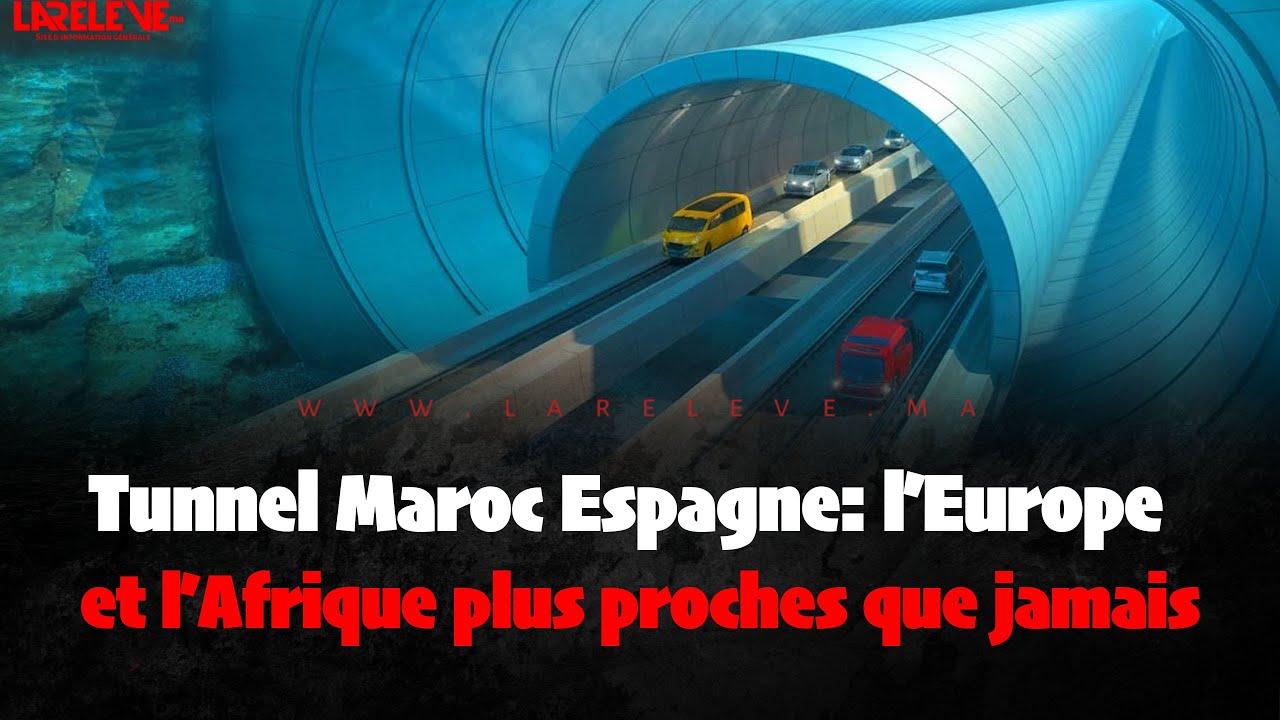
The economic transformation will be all the more robust as it will be accompanied by social investment in training and safety, a true assurance of Moroccan competitiveness.
Strait geology and submarine tunnel engineering: mastering risks for a reliable link
The technical heart of the project lies in underground engineering facing complex geology. The Camarinal ridge imposes pressure and permeability constraints requiring confined tunnel boring machines (EPB or slurry) capable of navigating between rock and sediments. The management of high-pressure water, grout injection, installation of watertight voussoirs, and real-time monitoring form an integrated system, supported by digital twins and distributed sensors.
User safety requires proven systems: interconnections every few hundred meters, redundant ventilation, backup power supply, fire detection, and evacuation procedures coordinated between Morocco and Spain. The Channel Tunnel model serves as reference, while adapting to the seismic specifics of the Alboran and the particular currents of the strait. Hyperbaric environment tests, rare but crucial, will have to be performed by specialized teams.
In terms of operation, the rail link will favor a gauge and signaling compatible with Moroccan and European networks. Interoperability (gauge, voltage, safety standards) will be subject to joint standardization. Climate resilience is also on the agenda: flood management, temperatures, and extreme scenarios integrated into the design. AI-based predictive maintenance from sensors will limit downtime and extend the lifespan of critical equipment.
- 🛰️ Continuous monitoring by sensors and digital twin of the tunnel.
- 🧯 Multi-barrier safety: ventilation, shelters, redundancy.
- 🧱 Enhanced watertightness through voussoirs, joints, and targeted injections.
- 🌡️ Climate resilience and extreme risk management.
- 📐 Rail interoperability Morocco–EU for international transport.
| Major risk ⚠️ | Control measure 🧰 | Monitoring indicator 📊 |
|---|---|---|
| Water infiltration | Injection, confinement, pumping | Admitted flow rate 🌊 |
| Geological instability | Optimized tracing, local reinforcement | Real-time deformations 📡 |
| Fire/evacuation | Interconnections, ventilation, sensors | Target evacuation time ⏱️ |
| Energy failure | Dual power supply, backup units | MTBF/MTTR 🔋 |
| Earthquake/currents | Anti-seismic standards, dynamic calculations | Accelerograms 📈 |
A robust and trained engineering chain, combined with a shared safety culture between the two shores, will condition availability and public trust.
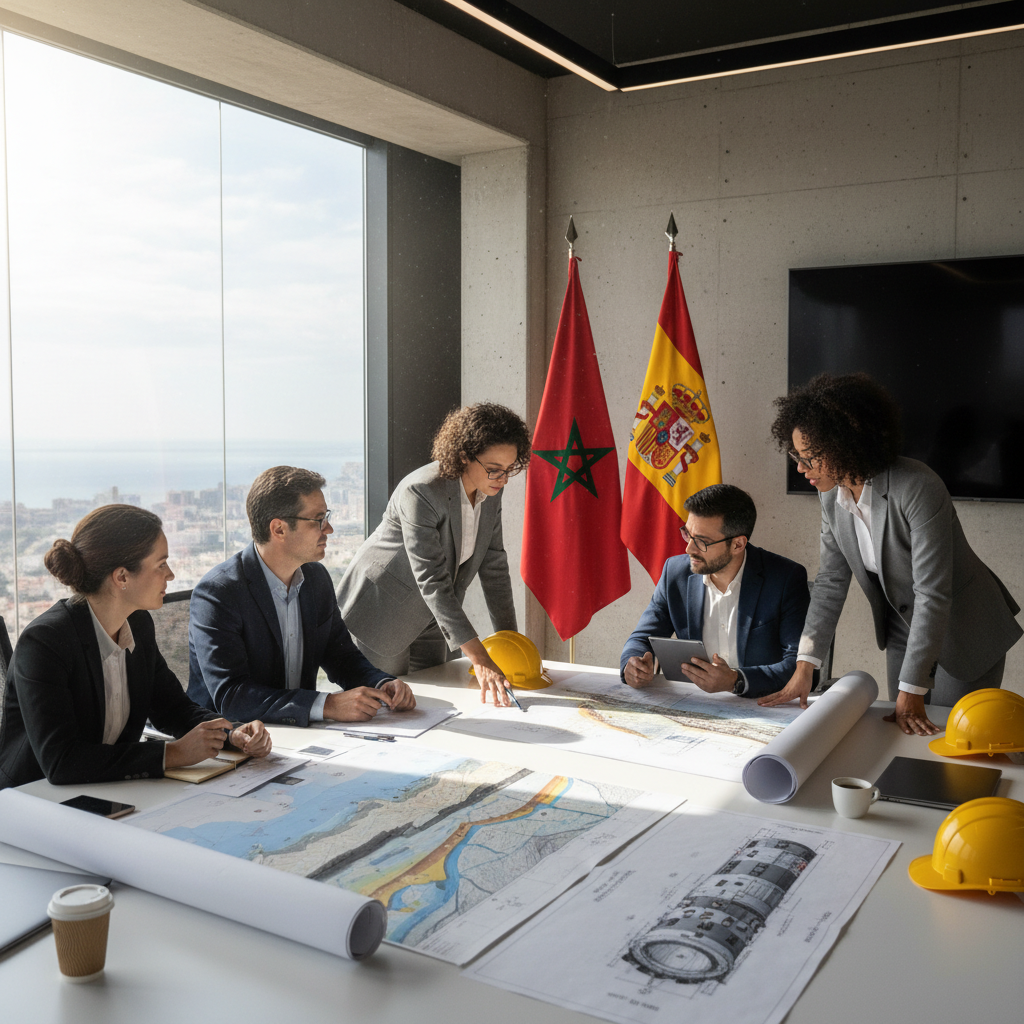
Cross-border cooperation and governance: Morocco–Spain serving a connected Mediterranean
The success of the tunnel will rest on exemplary cross-border cooperation between Morocco and Spain, supported by European and regional institutions. The public study bodies of the two countries, historically involved, will have to converge towards a binational project company capable of managing tenders, risk sharing, and compliance with standards. Obtaining a label from the Union for the Mediterranean would strengthen eligibility for European and climate financing.
Financing is estimated at several billion euros, with a public reference of €8.5 billion on the Spanish side for the initial phase. The setup could combine sovereign funds, EIB loans, partial guarantees, and a long-term concession inspired by the Channel Tunnel. Balanced pricing between freight and passengers, integrating a non-discriminatory access mechanism, would guarantee attractiveness for operators.
Governance must anticipate human issues: coordinated training, workers’ social security, equitable treatment, and transparent information for residents. Border services (customs, police, phytosanitary) are called to harmonize, with digital modernization of pre-boarding controls. Marine environment protection will be monitored jointly and scientific committees open to universities on both shores.
- 🤝 Joint governance for planning, execution, and control.
- 💶 Mixed financial structure: EIB, national funds, concession.
- 🛂 Integrated and digitized border desk to streamline flows.
- 📣 Transparency and continuous territorial dialogue with citizens.
- 🌿 Environmental monitoring of the strait’s ecosystems.
| Governance pillar 🧭 | Key responsibilities 📝 | Expected benefits ✅ |
|---|---|---|
| Binational project company | Contracts, coordination, audits | Fast decisions, alignment 🇲🇦🇪🇸 |
| Financing & concession | Structuring, pricing, risks | Predictability over 30–50 years 💼 |
| Smart borders | Unified controls, shared data | Time savings and security 🔐 |
| Environment & science | Biodiversity monitoring | Social acceptability 🌊 |
| Training & employment | Certifications, talent mobility | Durable skills 📚 |
A clear, readable, and inclusive governance framework will make the difference between an ambition and a sustainably useful reality for citizens.
Mobility, culture, and sustainability: the rail link that changes users’ lives
Beyond the technical feat, the tunnel will transform mobility practices. The promise of a regular journey, independent of weather, with a stabilized crossing time, will change the lives of cross-border workers, students, and families. European tourists curious about Morocco, and the Moroccan diaspora in Europe, will benefit from simple and competitive itineraries, articulated with national rail networks and maritime hubs.
On freight, the advantage is clear: a continuous and scheduled passage strengthens the international transport chain. Agri-food products, automotive parts, and textiles will gain in temporal reliability. Operators will integrate the tunnel into optimized “rail + road” schemes, reducing the carbon footprint compared to all-truck or air flows. Environmental benefits will add to economic gains.
On the service side, digital will guide the experience: single ticket, freight slot booking, real-time information, and multilingual assistance. Social pricing and discounts for students and seniors will guarantee accessibility. The 2030 World Cup schedule, even if it does not condition opening, serves as a political and media catalyst to promote an inclusive Euro-African mobility vision.
- 🚆 Comfort and regularity of a rail link avoiding weather hazards.
- 🧳 Facilitation for families and diaspora between Morocco and Spain.
- ♻️ CO₂ reduction by modal shift from truck/plane to rail.
- 📱 Digital: single ticket, baggage tracking, notifications.
- 🎫 Inclusive pricing and combined tourism offers.
| User segment 🚉 | Main benefit 🌟 | Concrete example 📦 |
|---|---|---|
| Workers | Stable travel time | Weekly rotation without cancellation ⏳ |
| Students | Access to cross-campus | Double degree Morocco–Europe 🎓 |
| Tourists | Rail + culture packages | Weekend Tangier–Seville 🎭 |
| Shippers | Logistics predictability | J+1 delivery between hubs 🚚 |
| SMEs | Controlled costs | Regular textile export 🧵 |
Reliable, inclusive, and green mobility will give full meaning to the tunnel as a strategic public service, not just an engineering feat.
Operational roadmap: from financing to commissioning, a method to succeed
A pragmatic trajectory is necessary to convert political momentum into concrete achievements. It starts with completing execution studies, a joint Moroccan-Spanish decision targeted for 2027, and the structuring of a project company with resources. Then come detailed engineering, tunnel boring machine acquisition, voussoir production, and mobilization of work bases in Tangier and Algeciras. Tenders will have to value quality, safety, and local content, while securing supply schedules.
For the Moroccan employment market, the roadmap includes technical academies in partnership with engineering schools, training worksites, and paid internships. Regions must anticipate accommodating workers, housing, health, and daily mobility. Moroccan companies will be encouraged to create joint ventures with European partners to accelerate technology transfer and access export markets.
- 🧭 2025–2027: decisions, project company, financing agreements.
- 🏭 2027–2030: equipment orders, production bases, and testing.
- 🚇 2030–2035: excavation, equipment installation, dynamic tests.
- 🧪 2035–2040: certification, commercial ramp-up.
- 📊 Monitoring: public quarterly progress indicators.
| Period ⌛ | Key deliverables 📁 | Indicators 🎯 |
|---|---|---|
| 2025–2027 | Governance, financing, permits | Signed agreements ✅ |
| 2027–2030 | Tunnel boring machines, voussoir factories | Installed capacity 🏗️ |
| 2030–2035 | Excavation progress | Km/month, safety 📈 |
| 2035–2040 | Tests, pilot services | Test hours, reliability 🔄 |
| Beyond | OPEX optimization | Availability > 98 % 📌 |
This clear and monitored method will build confidence among citizens and markets, aligning strategic ambition with measurable results.
{“@context”:”https://schema.org”,”@type”:”FAQPage”,”mainEntity”:[{“@type”:”Question”,”name”:”Will the tunnel be road or rail?”,”acceptedAnswer”:{“@type”:”Answer”,”text”:”The preferred scenario is a rail link, safer and more efficient for passenger and freight transport. It better fits climate objectives and the interoperability of networks between Morocco and Spain.”}},{“@type”:”Question”,”name”:”When is a political decision expected?”,”acceptedAnswer”:{“@type”:”Answer”,”text”:”Governments aim for a joint decision by summer 2027, after finalizing execution studies and financial arrangements. This step will launch major industrial orders.”}},{“@type”:”Question”,”name”:”What is the order of magnitude of the cost?”,”acceptedAnswer”:{“@type”:”Answer”,”text”:”Public estimates mention around €8.5 billion on the Spanish side for the initial phase. The total cost will depend on the final route, equipment, and risk allocation between partners.”}},{“@type”:”Question”,”name”:”What are the employment opportunities in Morocco?”,”acceptedAnswer”:{“@type”:”Answer”,”text”:”The project could generate 15,000 to 20,000 direct and indirect jobs during construction, then several thousand in operation and services. Specialized training programs will be key.”}},{“@type”:”Question”,”name”:”What role does the Union for the Mediterranean play?”,”acceptedAnswer”:{“@type”:”Answer”,”text”:”A label from the Union for the Mediterranean would strengthen regional coordination and access to European funding, while ensuring high environmental and social standards.”}}]}Will the tunnel be road or rail?
The preferred scenario is a rail link, safer and more efficient for passenger and freight transport. It better fits climate objectives and the interoperability of networks between Morocco and Spain.
When is a political decision expected?
Governments aim for a joint decision by summer 2027, after finalizing execution studies and financial arrangements. This step will launch major industrial orders.
What is the order of magnitude of the cost?
Public estimates mention around €8.5 billion on the Spanish side for the initial phase. The total cost will depend on the final route, equipment, and risk allocation between partners.
What are the employment opportunities in Morocco?
The project could generate 15,000 to 20,000 direct and indirect jobs during construction, then several thousand in operation and services. Specialized training programs will be key.
What role does the Union for the Mediterranean play?
A label from the Union for the Mediterranean would strengthen regional coordination and access to European funding, while ensuring high environmental and social standards.

Comments are closed