Twin Fins and Quads: the hardware “secret code” for a perfect wave in Morocco
On the Moroccan coasts, between the point breaks of Anchor Point and the beach breaks of Mehdia, the question is no longer whether Twin Fins or Quads setups are trendy, but how to turn them into a true Secret Code to read the wave and choose the relevant Surf Equipment. The issue goes beyond the pleasure of gliding. It touches on club pedagogy, safety, and even the employability of instructors. The local industry understands this well: a good fin setup translates to better Surf Performance, visible during lessons and quantifiable by schools adopting a data-driven approach. In 2025, this shift towards reasoned hardware choices helps promote the industry, from local shaping to marinas and certified training.
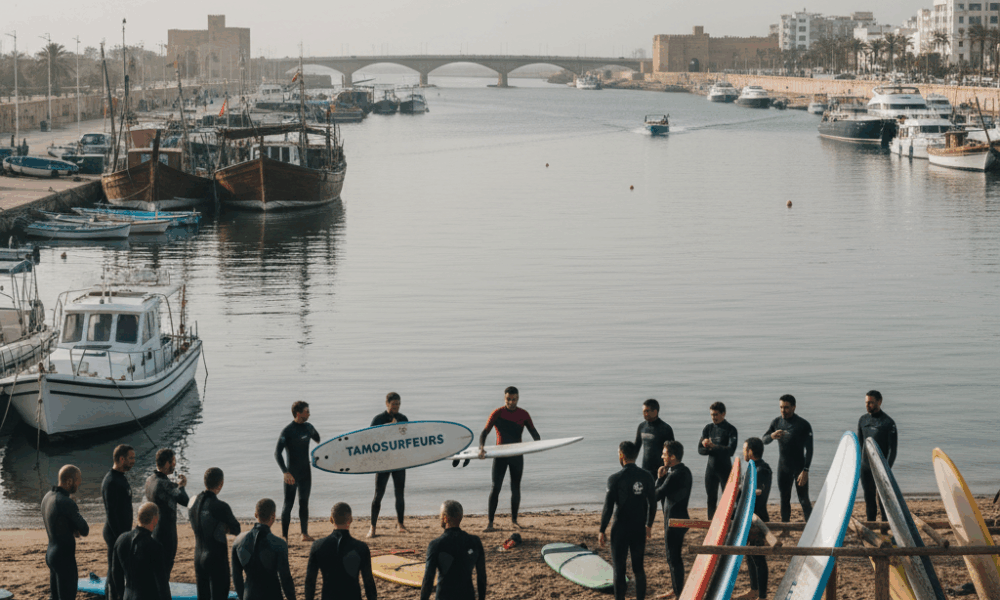
In practice, Twin Fins offer a feeling of freedom, speed, and long lines ideal for the clean waves of Essaouira or Taghazout. Quads maximize grip and turn exit, crucial when the wind strengthens along the Atlantic coast. Schools that professionalize the comparative test on the same Surfboard observe faster progress among students. This simple protocol — same spot, same board, two sets of fins — clarifies the sensation, strengthens technique, and gives meaning to investing in Surf Equipment. In Salé, coaches who combine ocean outings and flatwater sessions on the Bouregreg take advantage of calmer waters to isolate foot placement and prepare for the sea session, near Marina Bouregreg in Salé.
Comparing setups for the perfect wave
The field test would almost convert any skeptic. Twin Fins excel in fast but smooth sections, with a wide pivot and a “free” glide. Quads hold better on hollow and steep sections, favoring tight and reactive surfing. The key is to match conditions and goals: a glassy series? The Perfect Wave is often enjoyed with twins. A powerful and windy wall? The quad reassures and accelerates at the bottom turn exit.
- 🔥 Choose twin when the line is clean and flow is a priority.
- 🛡️ Choose quad when grip and re-acceleration are crucial on a more demanding wall.
- 🎯 Align learning objectives and setup to boost Surf Performance.
- 🌊 Adapt fins to the spot: Dakhla (longboard/twin), Mehdia (quad for hold), Taghazout (both depending on swell).
| Moroccan Spot 🌍 | Typical Conditions 🌬️ | Setup 🧩 | Expected Effect ⚡ | Recommended Level 🎓 |
|---|---|---|---|---|
| Taghazout (Anchor Point) | Long, clean right | Twin Fins | Speed + wide lines | Intermediate ➜ Advanced |
| Mehdia (Kénitra) | Changing beach break | Quads | Grip + re-acceleration | Supervised beginner ➜ Intermediate |
| Dakhla lagoon | Flatwater / small waves | Twin Fins / soft fins | Balance + footwork | Beginner ➜ Intermediate |
| Rabat-Salé (ocean) | Thermal wind, chop | Quads | Hold + control | Intermediate |
The HR benefit is notable: when instructors structure the comparative test, client feedback improves and satisfaction increases loyalty. This creates concrete career opportunities, notably around nautical infrastructures in Rabat-Salé, where urban proximity and logistic access strengthen the ecosystem. The key? Formalizing this Secret Code in club pedagogical sheets.
Wave science and ocean navigation: read, predict, decide
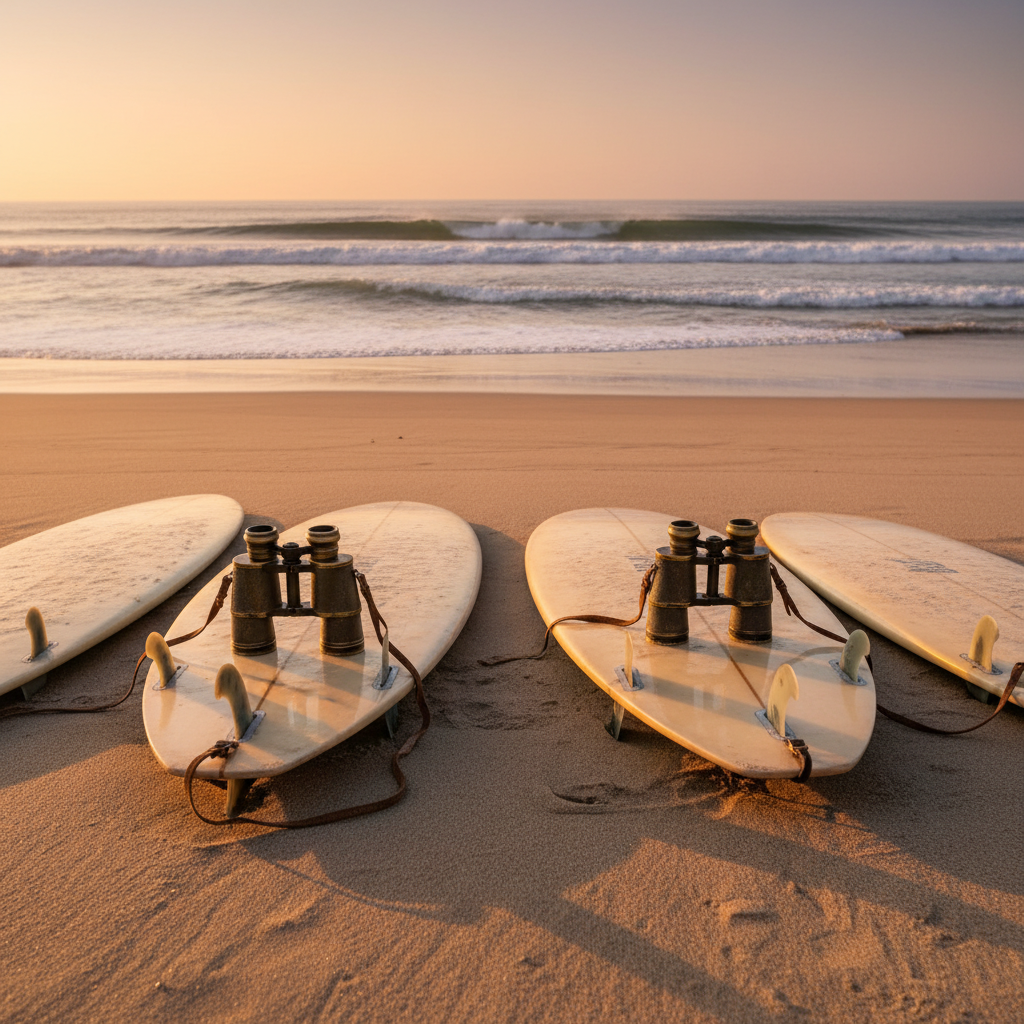
Understanding swell mechanics changes everything. The Moroccan Atlantic sees successive northern depressions and trade winds shaping very different waves. The “science of waves” isn’t just consulting a chart: you need to interpret the period/height couple, swell direction, local winds, and tide. This reading guides the choice of Twin Fins/Quads, as well as the session pedagogy. Schools that teach these basics make the audience autonomous, from youths new to experience to employees seeking structured sports activity.
Weather models have improved. Over the same weekend, alternating an early east wind and an onshore breeze in the afternoon requires adjusting the lesson plan and Surf Equipment. In responsible Ocean Navigation contexts, it also means planning fallback and safety zones. Marinas like Salé act as hubs for briefing, equipment lending, and shuttle service, enhancing the appeal of a coastline accessible from the capital. Clubs rely on the Bouregreg nautical base to stage levels: flatwater in the morning, ocean in the afternoon if the weather window opens.
Key weather variables: from theory to action
The goal is not to memorize a fluid mechanics course, but to learn how to make an actionable decision. A striking example: a short swell of 6–8 seconds that builds quickly at Mehdia is better tamed with Quads to maintain grip in the shorebreak. At Taghazout, a 12–14 s period that “breathes” is worth surfing with Twin Fins to maximize the glide sensation.
- 📈 Swell period: the longer it is, the deeper and more organized the energy.
- 🧭 Swell direction: aligns or misaligns the wave with local bathymetry.
- 💨 Wind: offshore beautifies, onshore degrades; quad helps when it’s choppy.
- 🌊 Tide: some banks only work at mid-tide; schedule lesson accordingly.
| Parameter ⛵ | Effect on wave 🌊 | Twin/Quad choice 🧩 | Operational advice 🧠 |
|---|---|---|---|
| Period 12–14 s | Clean lines, readable wall | Twin Fins | Favor flow and trajectories |
| Established onshore wind | Chop, fading sections | Quads | Increase hold and grip |
| Fast high tide | More committed take-off | Quads | Position peak, safety 🦺 |
| Crossed swells | Difficult reading | A/B test | Video debrief + adjustments 🎥 |
Surf culture combines empirical knowledge with technical rigor. From Teahupo’o to Moroccan banks, testimonies converge: wave reading decides the setup. Clubs that capitalize on video supports during their sessions near nautical infrastructures in Rabat-Salé raise their pedagogical and professional standards. This quality rise nourishes the employment ecosystem and recognition of local certifications.
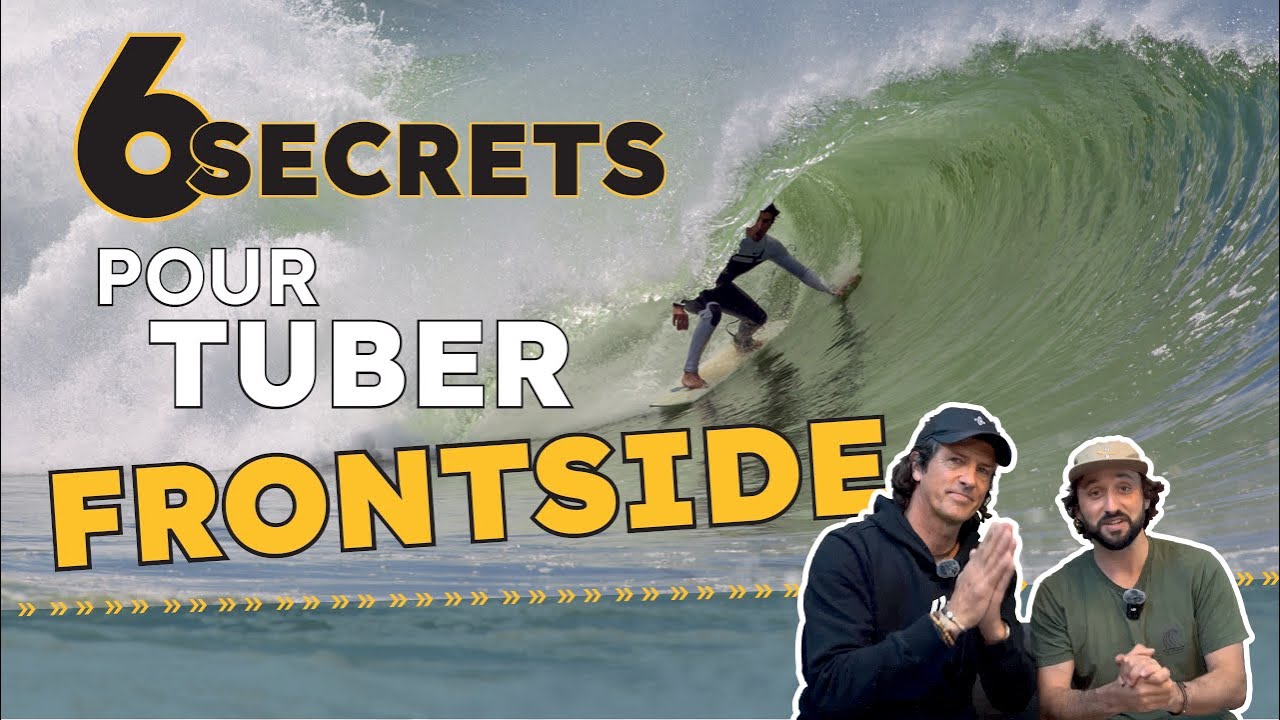
Underlying, the “perfect wave” becomes less a myth and more a reproducible scenario: anticipate, measure, choose, execute. This virtuous cycle builds transferable skills and lasting confidence among supervised practitioners.
Jobs, economy, and surfing: when technique creates opportunities in Morocco
The Moroccan surf industry matures. The Twin Fins/Quads duo is not just a style choice: it is training content, a premium service, a club signature. In Agadir, shapers integrate multi-position plugs to enable quick twin/quad testing on the same Surfboard. In Dakhla, schools mix surf and foil to smooth seasonality. In Rabat-Salé, marina affiliation facilitates logistics, safety, and synergy with other nautical disciplines, thus creating varied jobs, from school coordinator to equipment technician.
Upgrading passes through standards: clear job descriptions, continuous training, satisfaction indicators. Public and private partners promote quick-access spots like Marina Bouregreg in Salé, attracting families, companies and tourists. For young graduates in STAPS, tourism, or management, these hubs are springboards: you learn nautical base management, weather planning, client relations, and safety fundamentals.
Value chain: from local shaping to client reception
A readable value chain encourages investment. A club that structures a “Twin Fins/Quads trial pack” creates distinct value: personalized advice, supervised tests, video debrief, progression plan. This offer formalizes a competitive advantage and consolidates the season, as it targets recurring clients seeking technical improvement. It also attracts companies for team-building, where Surf Performance becomes a metaphor for collective performance: reading, coordination, situational choices.
- 🏄 “Test & learn” programs to build loyalty among demanding local customers.
- 🧑🏫 Empowerment of instructors through specialization (weather reading, fins, safety).
- 🧵 Partnerships with shapers and repairers for full service.
- 🏢 MICE welcome (seminars) thanks to urban anchoring of the Bouregreg nautical base.
| Job 💼 | Key skills 🧠 | Recommended training 🎓 | Salary range (MAD) 💰 | Area 📍 |
|---|---|---|---|---|
| Surf Instructor | Pedagogy, safety, Surf Techniques | Federal diploma + first aid | 5,000–9,000 | Atlantic (Taghazout, Rabat-Salé) |
| Surf Equipment Technician | Assembly of Twin Fins/Quads, repair | Workshop internship + shaper mentoring | 5,500–10,000 | Casablanca, Agadir |
| Nautical base coordinator | Planning, weather, client relations | Tourism/management + nautical practice | 7,000–12,000 | Rabat-Salé, Tangier |
| Surf Operations Analyst | Dashboards, training QA | Data + sport management | 8,000–15,000 | Big cities |
From this perspective, the proximity of an urban marina simplifies quality upgrading. Animation calendars available via nautical event calendar help smooth the low season with technical events, “twin vs quad” clinics, and certifications. This network strengthens the hospitality economy, from cafes to rental shops, and creates stable jobs while professionalizing the experience.

Surf techniques and pedagogy: turning setups into sustainable skills
Technique is not a list of “tricks”, it is a protocol. Schools inspired by best international practices place the Twin Fins/Quads duo at the heart of progression. Goal: reduce the time between sensation and correction. A “twin” block works flow, trajectory and front-foot weight to accelerate without excessive pumping. A “quad” block insists on rail hold, bottom-turn commitment, and re-acceleration to get out of closing sections. Both converge toward the Perfect Wave for each: the sequence where fin choice matches style and daily conditions.
Moroccan clubs structuring these blocks observe more consistent progress. One student gains a second of take-off delay? The quad can compensate with more grip. Another struggles to “breathe” their line? The twin frees the shoulder and projection. These technical adjustments are accompanied by a clear safety framework: current reading, leash management, fallback zones. Salé offers an ideal field for mixed pedagogy: Bouregreg flatwater for footwork drills, then ocean for skill transfer, with centralized meetings and briefings near the wake surf training center in Salé.
Reproducible pedagogical scenarios
For training managers, the key is aligning objectives, exercises, and metrics. “Micro-missions” per series focus attention: high trajectory in twin, turn exit in quad, then free mixing. The post-session debrief, ideally with video, turns impressions into anchored learning. The frequency of these cycles — short but regular — consolidates automatisms, fitting the constraints of active practitioners: 60–90 minute sessions, twice a week.
- 🎥 Short video debrief (90 s) focused on a single technical point.
- 🧭 Weather/spot reminder beforehand to contextualize Ocean Navigation.
- 🧪 A/B testing: same wave, twin vs quad, one variable at a time.
- 🦺 Safety: clear protocol, role of each, waiting zone.
| Module 📚 | Goal 🎯 | Assessment 🧾 | Required material 🧰 |
|---|---|---|---|
| Twin Flow | Trace high lines, natural speed | 2 controlled sections without pumping | Twin Fins, adapted board |
| Quad Drive | Rail hold, re-acceleration on exit | Controlled bottom-turn + cutback | Quads, wax, leash |
| Express reading | Identify peak, period, wind | Oral brief + justified setup choice | Weather app, anemometer 🌬️ |
| Active safety | Manage priority/current | Zero incident checklist | Soft vest, flag 🚩 |
With this framework, urban clubhouses connected to active marinas — like the Bouregreg nautical base — become competence centers. They operate transmission: from technique to employability, from gliding pleasure to certified expertise. Pedagogy becomes a local economic asset.
Data, technology and sustainability: toward a measurable and inclusive secret code
The next frontier is measurement. Twin Fins or Quads fins are no longer a matter of feeling alone: pocket accelerometers, GPS watches, and video debrief embed analytics in the session. An instructor can compare top speed, curve angle, and rail time between two setups. This accessible instrumentation fosters a culture of continuous improvement and justifies premium pedagogical pricing. It opens new roles: session analyst, club data technician, training QA manager.
Sustainability is involved at every stage. Moroccan workshops adopt lower-impact resins and repair more to extend board life. Marinas participate in sorting, waste collection, and public awareness. The inclusive dimension — mixed, intergenerational, accessible to schools — is a major asset in the city. Initiation programs supported by local authorities, linked to the nautical infrastructures of Rabat-Salé, create a pool: trainees, apprentices, future instructors.
Operational architecture data + field
To convert data into skill, a simple loop suffices: session plan, light instrumentation, debrief, setup adjustment. Decisions become traceable: did the quad really improve the turn exit in onshore? Does the next twin session confirm the flow gain in long swell? This record makes Surf Performance visible and legitimizes skills development. Club leaders see it as an HR tool: progression, satisfaction, safety.
- 📊 Simple KPIs: speed, wave time, mistakes avoided.
- 🧩 Correlation: conditions ➜ fin choice ➜ results.
- ♻️ Durable equipment: prioritized repair, responsible purchases.
- 🌐 Marina partnerships: reception, logistics, technical events.
| Technology 🖥️ | Use case 🎯 | Involved job 👥 | Measured impact 📈 |
|---|---|---|---|
| GPS watch | Compare twin vs quad speed | Instructor/analyst | +10–15% top speed on twin |
| Side camera | Curve angle, re-acceleration | Video coach | Better hold on quad |
| Weather app | Short offshore window | Base coordinator | More efficient sessions ⏱️ |
| Club CRM | Structured feedback | Quality manager | Loyalty + events 🎫 |
This approach feeds public events, close to urban basins. Pedagogical demonstrations and supervised tests, hosted near Marina Bouregreg in Salé, make visible the added value of structured surfing. For young professionals, it is a showcase of new skills: wave reading, light data, safety, workshop animation. At the country scale, the tech + inclusion alliance strengthens Morocco’s stature as a surf training destination.
The “secret code” is therefore nothing esoteric: observe, measure, transmit. It is this loop which, day after day, brings out perfect waves for everyone, and solid career paths for the Moroccan nautical ecosystem.
{“@context”:”https://schema.org”,”@type”:”FAQPage”,”mainEntity”:[{“@type”:”Question”,”name”:”Twin or quad: how to choose according to the swell?”,”acceptedAnswer”:{“@type”:”Answer”,”text”:”In long and clean swell, Twin Fins favor fluid speed and wide trajectories. In onshore wind or hollow sections, Quads provide grip and re-acceleration. The ideal is to alternate according to period, wind, and tide to maintain consistent Surf Performance.”}},{“@type”:”Question”,”name”:”What interest for local employment around surfing?”,”acceptedAnswer”:{“@type”:”Answer”,”text”:”The equipment/weather specialization creates positions: qualified instructors, surf equipment technicians, base coordinators, session analysts. Urban marinas like Marina Bouregreg in Salé streamline reception, training, and events, supporting the local economy.”}},{“@type”:”Question”,”name”:”How to structure an effective course with light instrumentation?”,”acceptedAnswer”:{“@type”:”Answer”,”text”:”Define a unique objective (flow on twin or hold on quad), record one or two simple metrics (speed, wave time), debrief in 90 seconds with video, then adjust the setup. This cycle accelerates learning and reinforces safety.”}},{“@type”:”Question”,”name”:”Where to practice near Rabat-Salé with adapted logistics?”,”acceptedAnswer”:{“@type”:”Answer”,”text”:”Clubs rely on the nautical base and services linked to Marina Bouregreg in Salé to prepare, store, and debrief. The urban setting facilitates access, safety, and public events. Consult information on the nautical infrastructures of Rabat-Salé to plan.”}}]}Twin or quad: how to choose according to the swell?
In long and clean swell, Twin Fins favor fluid speed and wide trajectories. In onshore wind or hollow sections, Quads provide grip and re-acceleration. The ideal is to alternate according to period, wind, and tide to maintain consistent Surf Performance.
What interest for local employment around surfing?
The equipment/weather specialization creates positions: qualified instructors, surf equipment technicians, base coordinators, session analysts. Urban marinas like Marina Bouregreg in Salé streamline reception, training, and events, supporting the local economy.
How to structure an effective course with light instrumentation?
Define a unique objective (flow on twin or hold on quad), record one or two simple metrics (speed, wave time), debrief in 90 seconds with video, then adjust the setup. This cycle accelerates learning and reinforces safety.
Where to practice near Rabat-Salé with adapted logistics?
Clubs rely on the nautical base and services linked to Marina Bouregreg in Salé to prepare, store, and debrief. The urban setting facilitates access, safety, and public events. Consult information on the nautical infrastructures of Rabat-Salé to plan.

Comments are closed