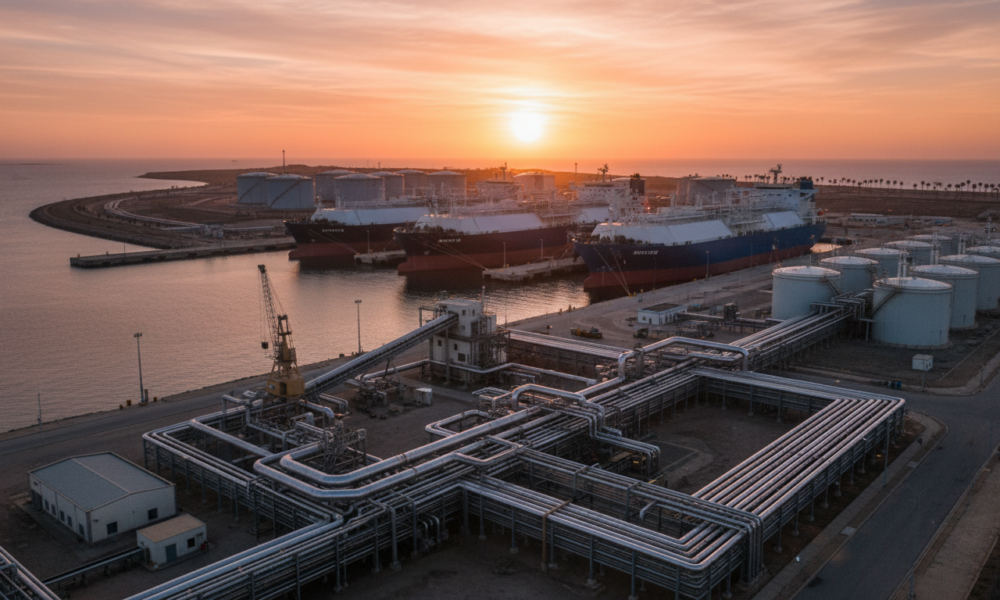
The Kingdom crosses a new decisive milestone in its industrial and energy development strategy. By mobilizing nearly one billion dollars, Morocco confirms its ambition to become a key player on the regional energy chessboard. This colossal project of a liquefied natural gas (LNG) import hub not only meets a growing domestic demand; it is part of a global vision aimed at securing the national supply while supporting the growth of heavy and manufacturing industries.
For observers of the Moroccan economy, this shift is not a surprise but a logical continuation. After excelling in the automotive and aeronautics sectors, the country is preparing the ground for increased energy independence, essential to power future Gigafactories and rapidly expanding industrial zones.
A strategic infrastructure for energy sovereignty
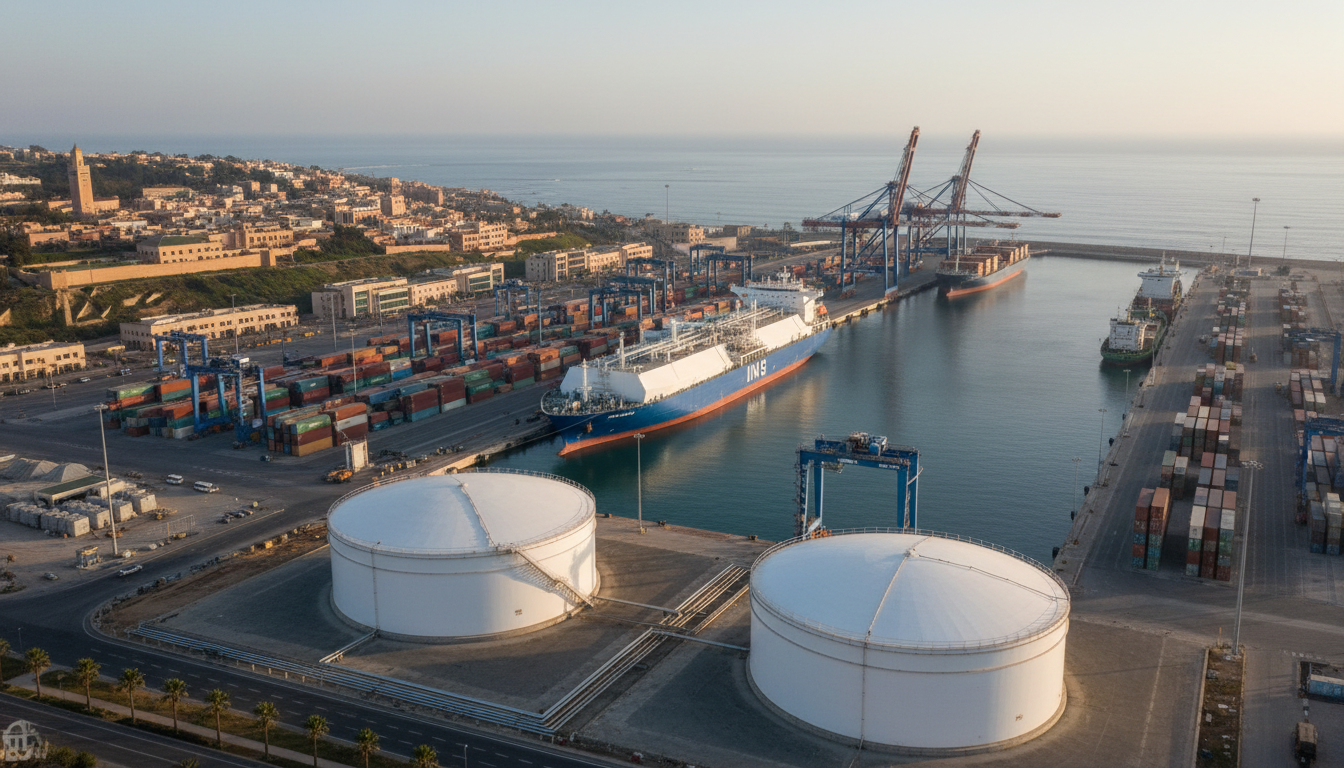
The creation of this hub marks a break with traditional supply models. The goal is clear: diversify the gas entry sources and no longer depend on a single channel. This infrastructure project includes not only adapted port terminals but also an entire network of storage and regasification. It is a direct response to the flexibility needs of today’s energy market.
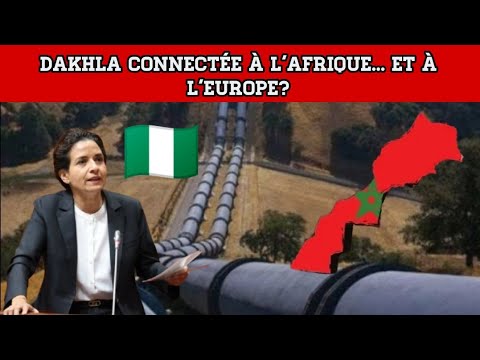
By investing massively in LNG, Rabat equips itself with a powerful lever to stabilize its energy costs. For local companies, this means greater visibility on energy bills in the medium term, a key factor for competitiveness. This titanic work involves setting up a robust national system, capable of transporting liquefied natural gas from ports to the major industrial consumption basins, notably those of Kenitra and Tangier.
The vital link with industrialization and Gigafactories
It is impossible to separate this gas project from the current industrial dynamic. The establishment of the Gigafactory by Gotion High Tech, for example, requires a stable and decarbonized power supply. Natural gas, considered a transitional energy, plays here an indispensable “back-up” role for intermittent renewable energies (solar and wind).
This import hub thus secures foreign investments. Global industrialists, whether operating in electric mobility or chemistry, are closely watching the country’s ability to provide reliable energy. By guaranteeing this access, Morocco strengthens its attractiveness and consolidates its position as a future hub for electric mobility, thereby creating a virtuous ecosystem where energy infrastructure fuels industrial growth.
Employment opportunities and sought-after skills
Beyond pipes and tanks, this billion dollars injected into the economy will irrigate the job market. The construction and operation of these facilities require a highly skilled workforce. We are witnessing the emergence of new professions in Morocco, or at least an upskilling of existing technical competencies. Recruiters are already active in identifying profiles able to manage these complex regasification and transport processes.
This import and storage project will create thousands of direct and indirect jobs. It is not only about engineer positions, but an entire value chain stretching from specialized maintenance to port logistics. Here are the profiles that will be particularly in demand over the coming months:
- 👷♂️ Process and LNG Engineers: Specialists in thermodynamics and cryogenic systems.
- 📊 Infrastructure Project Managers: To coordinate complex works combining civil engineering and industrial piping.
- 🛡️ HSE Experts (Health, Safety, Environment): Essential for managing risks related to high-pressure gas.
- 🚛 Energy Logistics Specialists: For managing supply flows and the rotation of methane tanker ships.
- 🔧 Instrument Maintenance Technicians: To ensure the proper functioning of valves and critical sensors.
Towards a controlled energy transition
The integration of natural gas into the national energy mix is a pivotal step towards the energy transition. Morocco keeps its climate objectives in sight; on the contrary, gas helps reduce the share of coal and heavy fuel oil in electricity production. It is a necessary bridge to the era of green hydrogen, another major ambition of the Kingdom.
This economic pragmatism reassures funders and international partners. By developing this hub, the country shows that it knows how to combine a long-term vision with immediate management of energy needs. The impact on the trade balance will also be significant, allowing better control of outgoing currency thanks to centralized and optimized purchases.
Comparison: The evolution of the Moroccan energy model
To better understand the scope of this change, it is useful to analyze the evolution of energy priorities and their repercussions on the local economic fabric. The table below illustrates the shift from a passive dependency model to an active sovereignty strategy.
| Aspect | Old Model (Pre-2020) | New Model (Horizon 2025-2030) 🇲🇦 |
|---|---|---|
| Main source | Imports via third-party pipelines (Europe/Algeria) | Direct LNG import via national ports & FSRU |
| Flexibility | Low (rigid contracts) | High (purchase on global spot market) 🚢 |
| Employment Impact | Focused on simple operation | Creation of high-level technical expertise sectors 💼 |
| Strategic Objective | Meet basic electricity demand | Support heavy industry and energy transition 🏭 |
This structural transformation positions Morocco no longer as a mere consumer, but as a true logistical and energy hub between Africa, Europe, and the Atlantic. It is a golden opportunity for young Moroccan graduates to position themselves in future careers, at the heart of global geopolitical and economic challenges.
Why is Morocco investing one billion dollars in LNG?
Morocco is investing this amount to ensure its energy sovereignty, reduce its dependence on pipelines crossing other countries, and provide stable energy to growing industries, such as automotive factories and Gigafactories.
What is the impact of this project on employment in Morocco?
This project will create numerous qualified jobs, particularly for engineers, technicians specialized in gas and cryogenics, as well as experts in logistics and industrial safety, thus boosting the local job market.
How does this hub fit into the energy transition?
Liquefied natural gas (LNG) serves as a transitional energy. It is less polluting than coal or heavy fuel and helps stabilize the electrical grid to compensate for the intermittency of renewable energies like solar and wind.
Which geographical areas of Morocco are concerned?
The main entry and storage points will likely be in strategic port areas such as Nador West Med or Mohammedia, which will be connected to the industrial basins of Tangier, Kenitra, and Casablanca by a network of pipelines.

Comments are closed