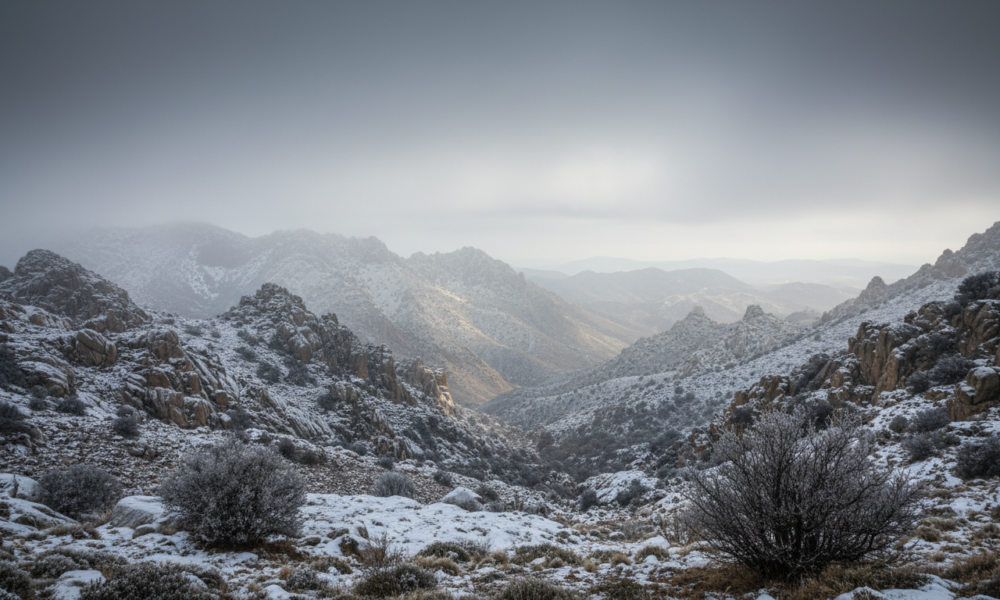
The human tragedy that recently unfolded in the eastern region of the Kingdom brutally recalls the complex reality of migration flows in North Africa. In this December 2025, as temperatures plunge drastically, the road of hope has turned into a deadly trap for nine people at the Algerian-Moroccan border.
Humanitarian tragedy at Ras Asfour: the weight of the freezing cold
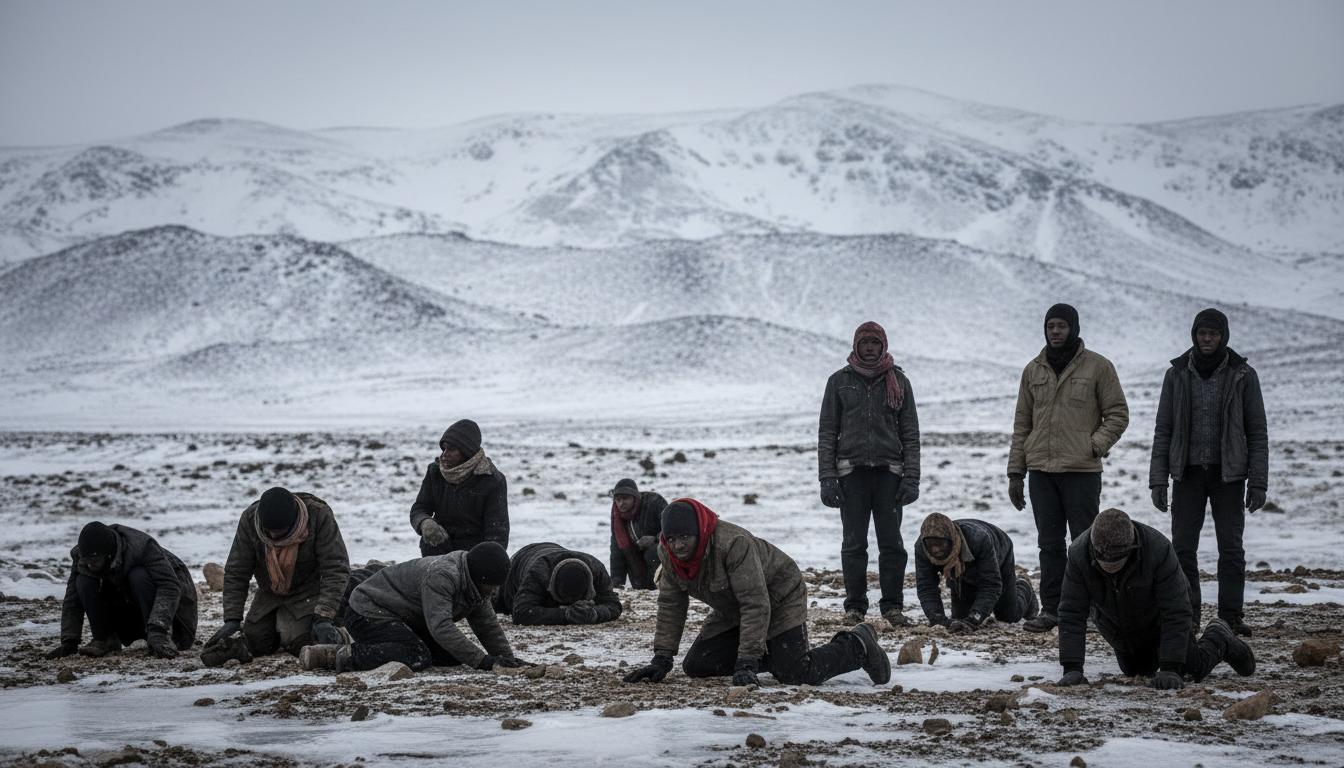
It is in the remote mountainous area of Ras Asfour, known for its harsh winters, that the grim discovery was made. Nine lifeless bodies, belonging to sub-Saharan migrants, were found, victims of severe hypothermia. According to the Moroccan Association for Human Rights (AMDH), these seven men and two women succumbed to a freezing cold that their bodies, already exhausted by the journey and hardships, could not endure.
Among the victims, one was originally from Guinea, while the nationalities of the other deceased remain undetermined, illustrating the tragic anonymity often accompanying this type of demise. This sad event highlights the extreme conditions faced by those attempting to cross these hostile areas, often without proper equipment or sufficient resources to survive nights at altitude.
A humanitarian emergency facing complex migration routes
Morocco and Algeria remain critical transit points for thousands of people seeking to reach Europe or settle in North Africa. Illegal crossing attempts toward Spain, whether via the enclaves of Ceuta and Melilla or along the perilous Atlantic route to the Canary Islands, continue to mobilize security forces. However, tightened controls and security agreements with the European Union often push these flows towards more isolated and dangerous routes, such as the Oriental mountains.
The Moroccan Organization for Human Rights responded by calling for greater humanization of borders and the establishment of mechanisms to identify the missing, to prevent such tragedies from becoming commonplace. Six of the victims were buried last week, while two bodies are being kept awaiting procedures by their relatives, an administrative process that adds a layer of complexity to the families’ grief.

The economic and social impact of migration in 2025
Beyond the security aspect, this migration crisis raises profound economic questions. Many of these sub-Saharan African nationals, stuck at the gates of Europe, end up joining the informal Moroccan labor market. They become shadow players in key sectors such as construction, agriculture, or domestic services, sometimes waiting years for an opportunity to leave or regularize their status.
This workforce, although precarious, contributes to the local economic dynamics but remains extremely vulnerable to climatic and legal hazards. The lack of stable legal status deprives them of social safety nets, exposing them to situations of humanitarian emergency as soon as living conditions deteriorate, as was the case at Ras Asfour.
Here are the main factors worsening the risks for these populations in transit:
- 🏔️ Hostile geography: Using mountain passes to avoid controls exposes groups to uncontrollable natural elements.
- 🌡️ Climatic conditions: The 2025 winter proves particularly harsh in the Oriental region, surprising those not equipped for freezing temperatures.
- 🚧 Security pressure: Locking down traditional crossing points forces diversion to uninhabited and infrastructure-lacking areas.
- 💼 Economic precariousness: Lack of financial resources prevents access to safe shelter or secure transportation means.
Data on migration flow management
To better understand current challenges, it is crucial to analyze the dynamics in place at the border. The following table summarizes the tensions between control objectives and the humanitarian reality on the ground.
| Major Issue 🎯 | Direct Consequence ⚠️ | Impact on the Market 📉 |
|---|---|---|
| Reinforcement of borders | Displacement to high-risk areas (mountains, desert) | Increase of clandestine and vulnerable labor force |
| Morocco-EU agreements | Increased deterrence of maritime departures | Forced settlement and precariousness of migrants waiting |
| Climatic hazards | Rise in mortality (hypothermia, dehydration) | Pressure on local health and social infrastructures |

This tragedy reminds us that behind the statistics and geopolitical stakes, there are human lives and often wasted economic potential. Migration management cannot be limited to a purely security-focused approach; it requires a vision integrating labor market realities and fundamental respect for human dignity.
{“@context”:”https://schema.org”,”@type”:”FAQPage”,”mainEntity”:[{“@type”:”Question”,”name”:”What are the causes of the migrants’ deaths at the border?”,”acceptedAnswer”:{“@type”:”Answer”,”text”:”The nine migrants died from severe hypothermia due to exposure to freezing cold in the mountainous region of Ras Asfour, at the border between Morocco and Algeria, in December 2025.”}},{“@type”:”Question”,”name”:”What is the profile of the victims in this tragedy?”,”acceptedAnswer”:{“@type”:”Answer”,”text”:”The victims are seven men and two women of sub-Saharan origin. One person was identified as originally from Guinea, while the identities of the others remain to be confirmed.”}},{“@type”:”Question”,”name”:”How do human rights organizations react?”,”acceptedAnswer”:{“@type”:”Answer”,”text”:”The Moroccan Association for Human Rights (AMDH) and other NGOs have qualified this event as a worrying tragedy, calling for the humanization of borders, the decriminalization of irregular migration, and the establishment of mechanisms to identify the missing.”}},{“@type”:”Question”,”name”:”Why do migrants take such dangerous routes?”,”acceptedAnswer”:{“@type”:”Answer”,”text”:”The strengthening of security controls on traditional routes and agreements with the EU push migrants to bypass surveillance points by passing through isolated and perilous mountainous zones to avoid arrest.”}}]}What are the causes of the migrants’ deaths at the border?
The nine migrants died from severe hypothermia due to exposure to freezing cold in the mountainous region of Ras Asfour, at the border between Morocco and Algeria, in December 2025.
What is the profile of the victims in this tragedy?
The victims are seven men and two women of sub-Saharan origin. One person was identified as originally from Guinea, while the identities of the others remain to be confirmed.
How do human rights organizations react?
The Moroccan Association for Human Rights (AMDH) and other NGOs have qualified this event as a worrying tragedy, calling for the humanization of borders, the decriminalization of irregular migration, and the establishment of mechanisms to identify the missing.
Why do migrants take such dangerous routes?
The strengthening of security controls on traditional routes and agreements with the EU push migrants to bypass surveillance points by passing through isolated and perilous mountainous zones to avoid arrest.

Comments are closed