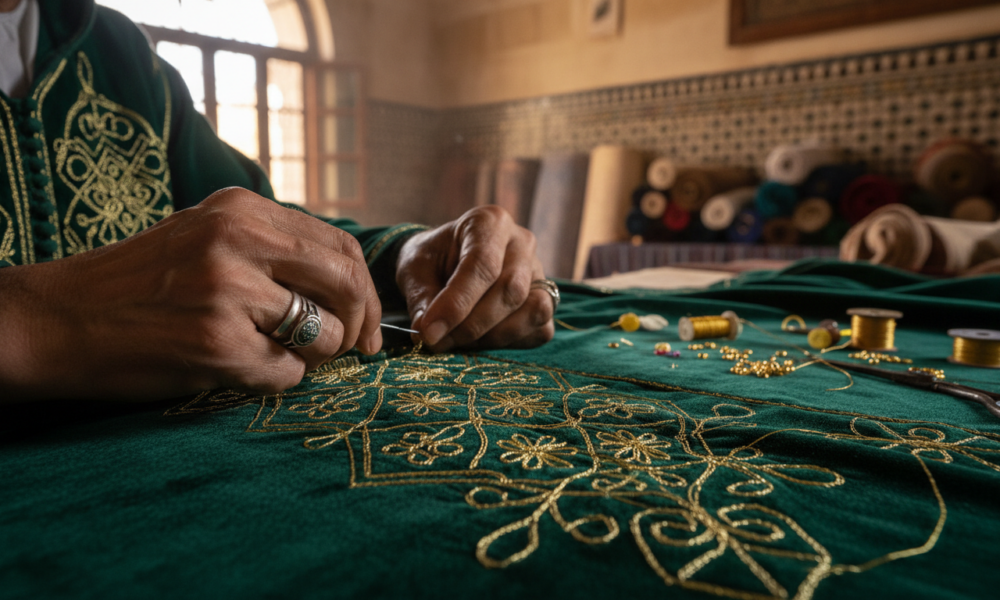
A strategic victory for the cultural and economic influence of the Kingdom
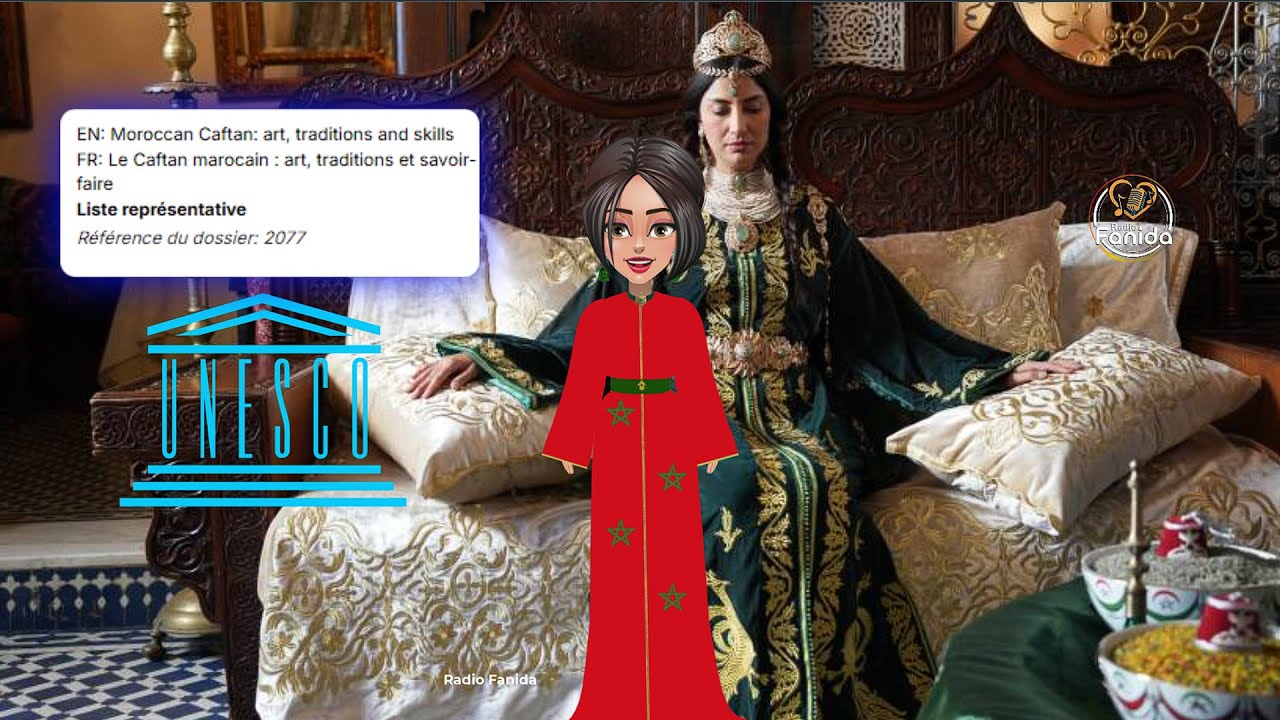
This is a recognition that resonates far beyond the sewing workshops of Fès or Rabat. From New Delhi, the Intergovernmental Committee for the Safeguarding of the Intangible Cultural Heritage issued its verdict this Wednesday: the Moroccan Caftan officially joins the prestigious list of World Heritage by UNESCO. For us, observers of the national market, this announcement goes beyond mere cultural symbolism; it validates a “Soft Power” strategy carried at the highest level and secures an economic sector vital for thousands of artisans.
This decision, made this December 2025, crowns a solid file prepared by the Ministry of Youth, Culture, and Communication. It marks a decisive step in protecting our Cultural Heritage against appropriation attempts and guarantees the sustainability of know-how that structures a significant part of Morocco’s social and solidarity economy.
The direct impact on the craft industry and the job market
UNESCO registration is not just an honorary label; it is a growth lever. By recognizing the skills linked to the caftan, the international body values a complex value chain, from the weaver to the tailor, including the passementier. For the Moroccan job market, this means increased professionalization and renewed attractiveness for artisanal professions.
The Traditional Sewing sector is a massive employer, especially for women. This international recognition will stimulate export demand, forcing workshops to further structure their production methods while preserving the authenticity of the craft. It is a golden opportunity to turn ancestral know-how into sustainable and rewarding careers.
Here is an overview of the professional ecosystem impacted by this recognition:
| Actors in the value chain 🧵 | Role in the Caftan economy 💼 | Impact of UNESCO registration 📈 |
|---|---|---|
| The Maâlems & Maâlemas | Holders of technical and creative know-how. | Protection of intellectual property and enhancement of social status. |
| Training sectors | Transmission of techniques (embroidery, weaving). | Increase in enrollments and standardization of certifications. |
| Exporters & Creators | Marketing of Oriental Clothing internationally. | Certified “Morocco Origin” quality label, facilitating access to luxury markets. |
| Tourism sector | Cultural tourism and luxury shopping. | Attraction of an international clientele seeking authenticity. |
Protection of intellectual property and national identity
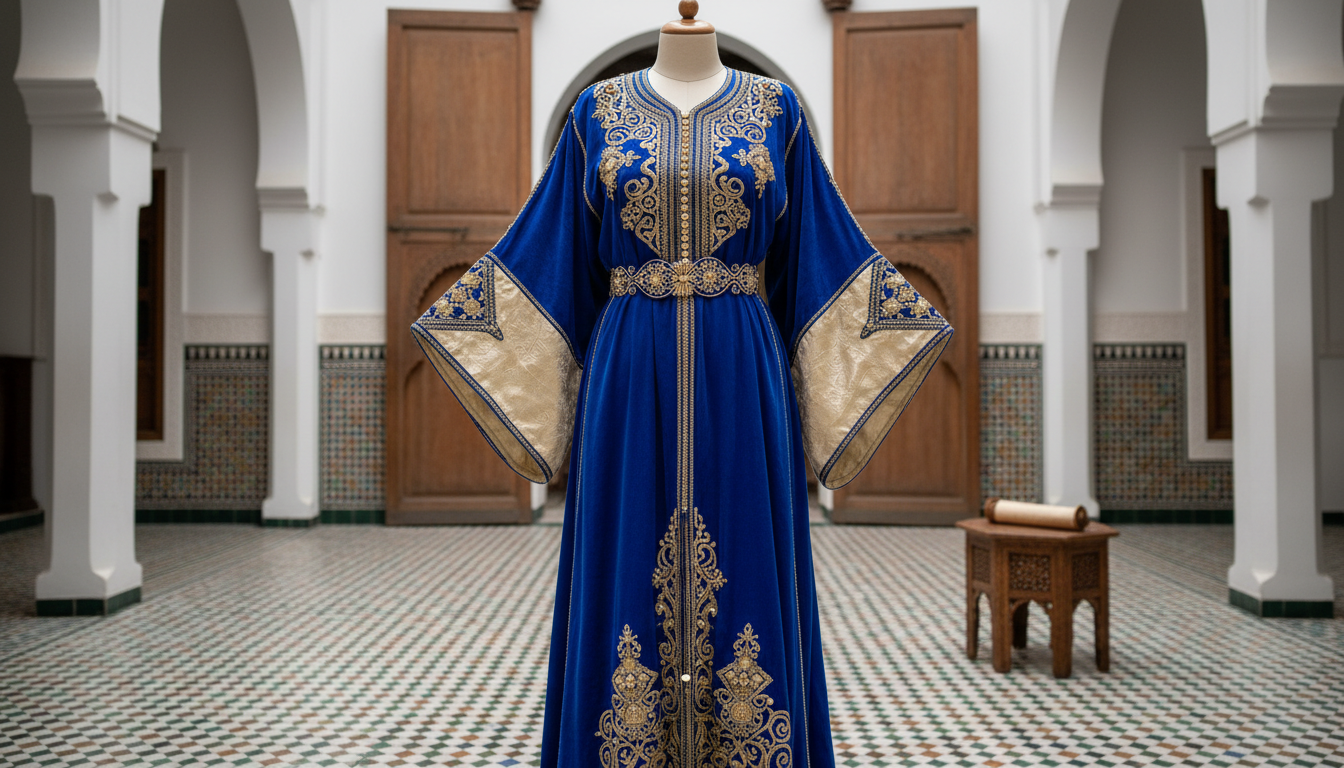
The legal aspect of this victory is fundamental. The Moroccan file has demonstrated that the caftan is an inseparable element of Moroccan identity, passed down for over eight centuries. This clarification ends heated debates and attempts at cultural misappropriation, notably the recent maneuvers aiming to include the “caftan el-ntaa” from Fès in foreign files. UNESCO ruled in favor of historical truth.
By securing the origin of the Traditional Garment, Morocco protects its intangible assets. For Moroccan textile and fashion companies, it is a guarantee of legal security. They can now market their creations with the assurance that the “Morocco” label is internationally protected, thus strengthening the country brand on a global scale.
Passing on knowledge: a training challenge for the future
One of the essential criteria retained by UNESCO is intergenerational transmission. This model, often informal, based on apprenticeship between master and apprentice, must now inspire our professional training policies. The challenge is to integrate these traditional teaching methods into modern curricula to ensure succession.
Young Moroccan talents, whether designers or artisans, now have the responsibility to keep this Moroccan Tradition alive while adapting it to contemporary requirements. Innovation respecting roots is the key for this heritage to remain vibrant and economically viable.
To maintain this level of excellence, several key skills are now priorities in the market:
- 🧶 Technical mastery: Deep knowledge of fabrics (velvet, silk, brocade) and cutting techniques.
- 🎨 Design innovation: Ability to reinterpret classic patterns for a modern clientele without distorting the essence.
- 🤝 Pedagogical transmission: Aptitude of master artisans to train the new generation (mentoring soft skills).
- 🌍 International marketing: Skills to position Moroccan Craftsmanship in the global luxury segments.
- 🛡️ Intellectual property management: Know how to protect creations and original patterns.
A driving force for the creative economy
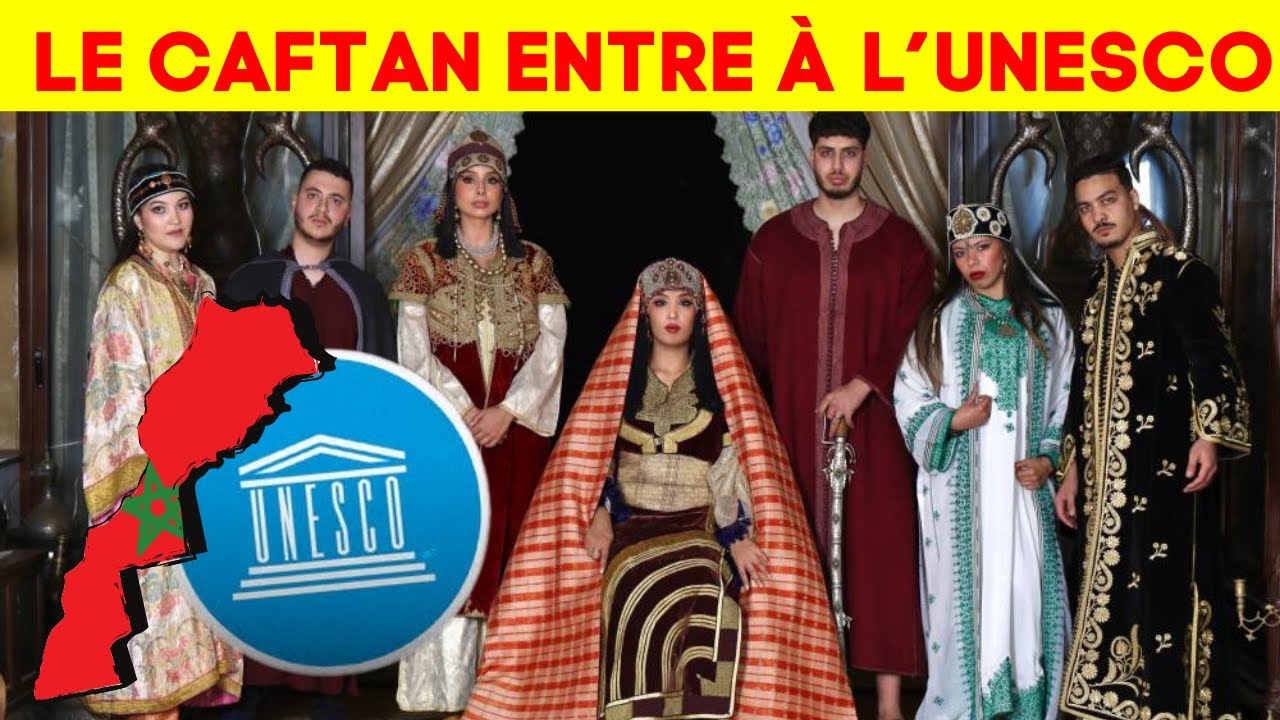
This official registration energizes the entire Moroccan creative industry. It sends a strong signal to investors: Moroccan culture is a safe haven and a sector of the future. The caftan, as a flagship, paves the way for other recognitions for our local products and know-how.
Under the impulse of His Majesty King Mohammed VI, culture asserts itself as a lever for human and economic development. As professionals, we must seize this opportunity to structure our sectors, value our talents, and make our heritage a driver of sustainable and inclusive growth.
{“@context”:”https://schema.org”,”@type”:”FAQPage”,”mainEntity”:[{“@type”:”Question”,”name”:”What are the concrete benefits of this registration for artisans?”,”acceptedAnswer”:{“@type”:”Answer”,”text”:”UNESCO registration offers global visibility and legal protection against counterfeiting. It helps to value manual work, justify fairer prices for authentic creations, and attract funding for training and workshop development.”}},{“@type”:”Question”,”name”:”Does this recognition prevent the modernization of the Caftan?”,”acceptedAnswer”:{“@type”:”Answer”,”text”:”Absolutely not. UNESCO recognizes a living and evolving know-how. Creators are encouraged to innovate and adapt the caftan to contemporary trends, as long as the basic techniques and the spirit of the garment are respected, thus ensuring its continuity over time.”}},{“@type”:”Question”,”name”:”How does this decision protect Morocco against cultural appropriation?”,”acceptedAnswer”:{“@type”:”Answer”,”text”:”By registering the caftan as Moroccan heritage, UNESCO certifies its geographic and historical origin. This gives Morocco a solid legal and diplomatic basis to contest any attempts by other countries to claim paternity of this garment or its specific techniques.”}},{“@type”:”Question”,”name”:”What is the role of professional training in this context?”,”acceptedAnswer”:{“@type”:”Answer”,”text”:”Training is crucial to ensure succession. Registration encourages formalizing learning, moving from purely family transmission to certified curricula that value artisanal trades among young job seekers.”}}]}What are the concrete benefits of this registration for artisans?
UNESCO registration offers global visibility and legal protection against counterfeiting. It helps to value manual work, justify fairer prices for authentic creations, and attract funding for training and workshop development.
Does this recognition prevent the modernization of the Caftan?
Absolutely not. UNESCO recognizes a living and evolving know-how. Creators are encouraged to innovate and adapt the caftan to contemporary trends, as long as the basic techniques and the spirit of the garment are respected, thus ensuring its continuity over time.
How does this decision protect Morocco against cultural appropriation?
By registering the caftan as Moroccan heritage, UNESCO certifies its geographic and historical origin. This gives Morocco a solid legal and diplomatic basis to contest any attempts by other countries to claim paternity of this garment or its specific techniques.
What is the role of professional training in this context?
Training is crucial to ensure succession. Registration encourages formalizing learning, moving from purely family transmission to certified curricula that value artisanal trades among young job seekers.

Comments are closed