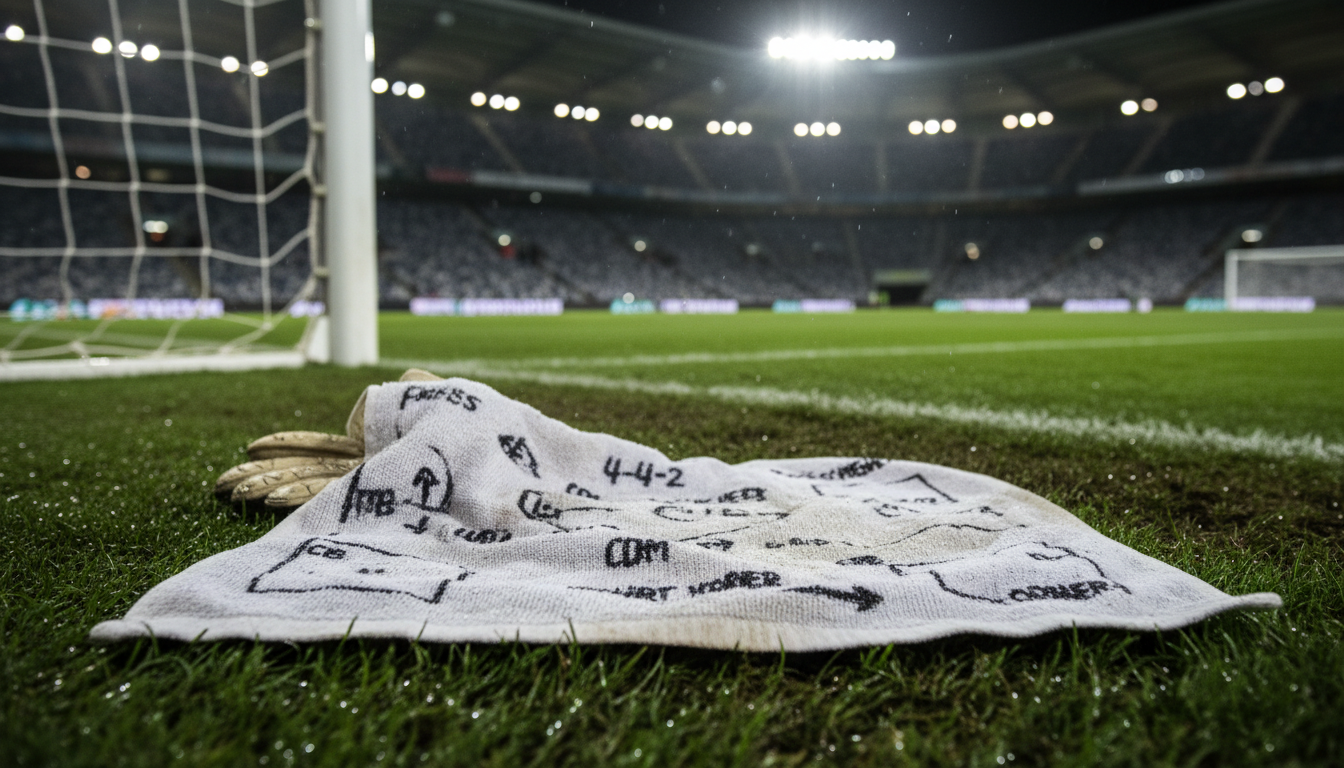
Modern football is no longer played solely on the green rectangle, but also in the details surrounding the ninety minutes of play. The 2025 AFCON final, held in Rabat, will be remembered not only for Senegal’s victory over Morocco (1-0), but especially for a rather unusual phenomenon: the towel war. At the heart of this turmoil, one question remains: what are the real motivations, between sporting superstition and tactical calculation, that drive the Moroccan players and ball boys to covet this simple piece of fabric?
The “towel war”: Analysis of an unprecedented incident in Rabat
During this high-tension final in January 2025, attention diverted from the ball to focus on an unexpected accessory: the towel of Senegalese goalkeeper Édouard Mendy. What could have passed as a trivial anecdote actually reveals extreme psychological tension. The images showed surreal scenes where Yehvann Diouf, Senegal’s substitute goalkeeper, literally had to act as a bodyguard to protect his teammate’s property against the insistence of the locals.
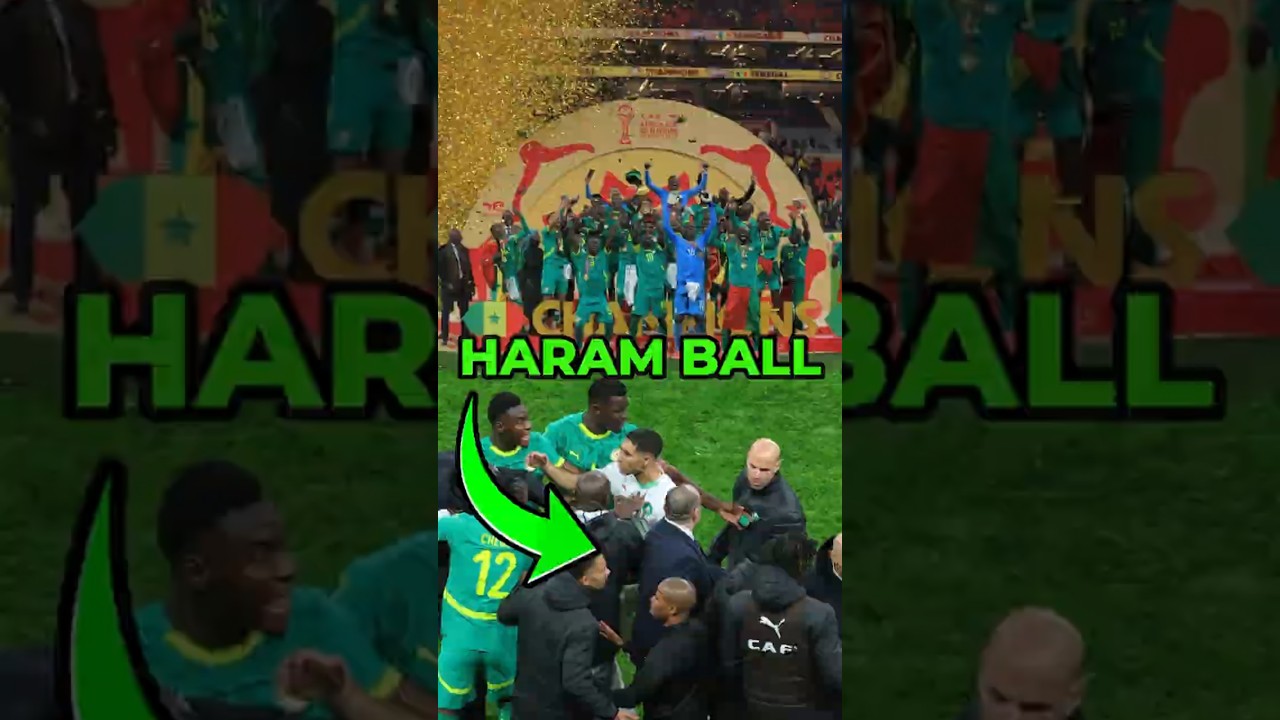
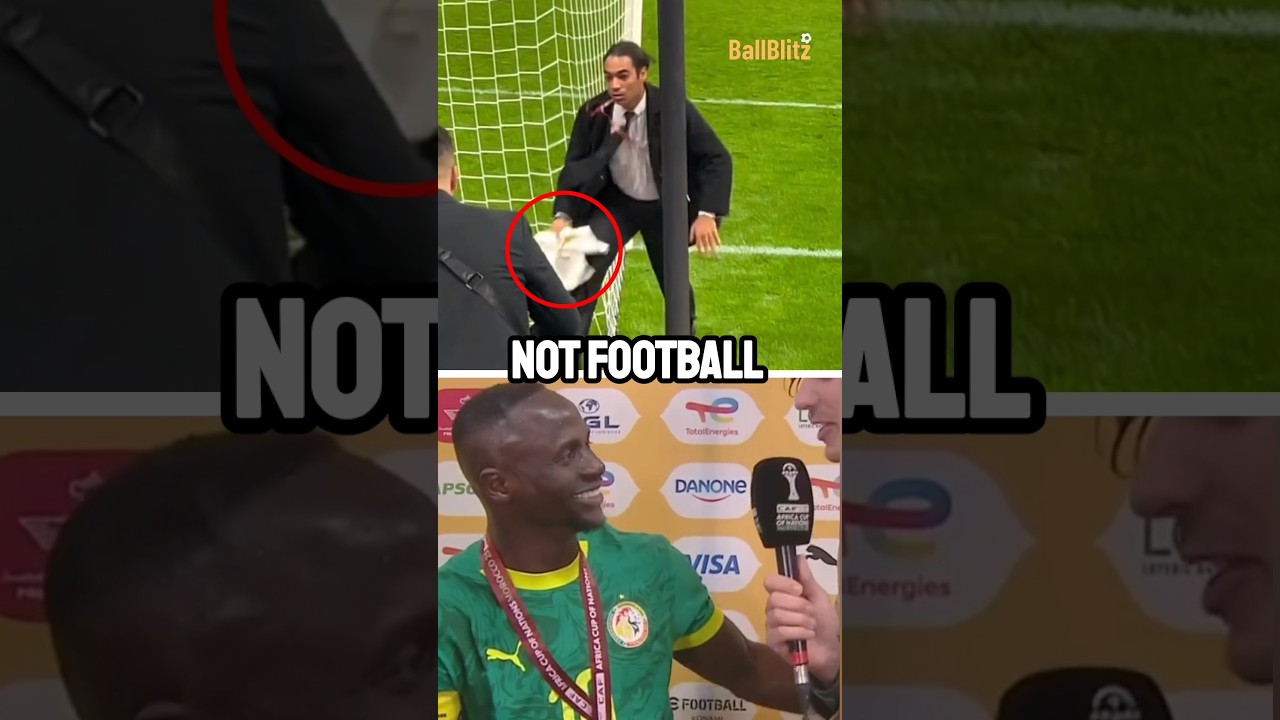
The incident took a physical turn when ball boys, and even Moroccan winger Ismael Saibari, tried to snatch the item. For economic and sports observers, this demonstrates how narrow the margin of maneuver has become to gain a competitive advantage. Yehvann Diouf, not hesitating to physically push back the attackers, understood that the loss of this accessory could destabilize Mendy before the critical moment of Brahim Díaz’s penalty.
A match strategy hidden in the fabric?
Why so much insistence for a towel? The answer often lies in modern match strategy. High-level goalkeepers, like Mendy, often use their towels or water bottles to hide “cheat sheets.” These notes contain crucial statistics about opposing shooters: preferred side, shot history, body language.
By attempting to steal the towel, the Moroccan players potentially sought to deprive the opposing goalkeeper of his immediate database. It’s a form of information sabotage, a tactic aimed at blinding the opponent at the most critical moment. This is exactly what happened before Mendy’s decisive save on Díaz’s panenka: depriving the goalkeeper of his reference points to increase the chances of scoring ⚽.
Sports psychology: disrupting the routine to win
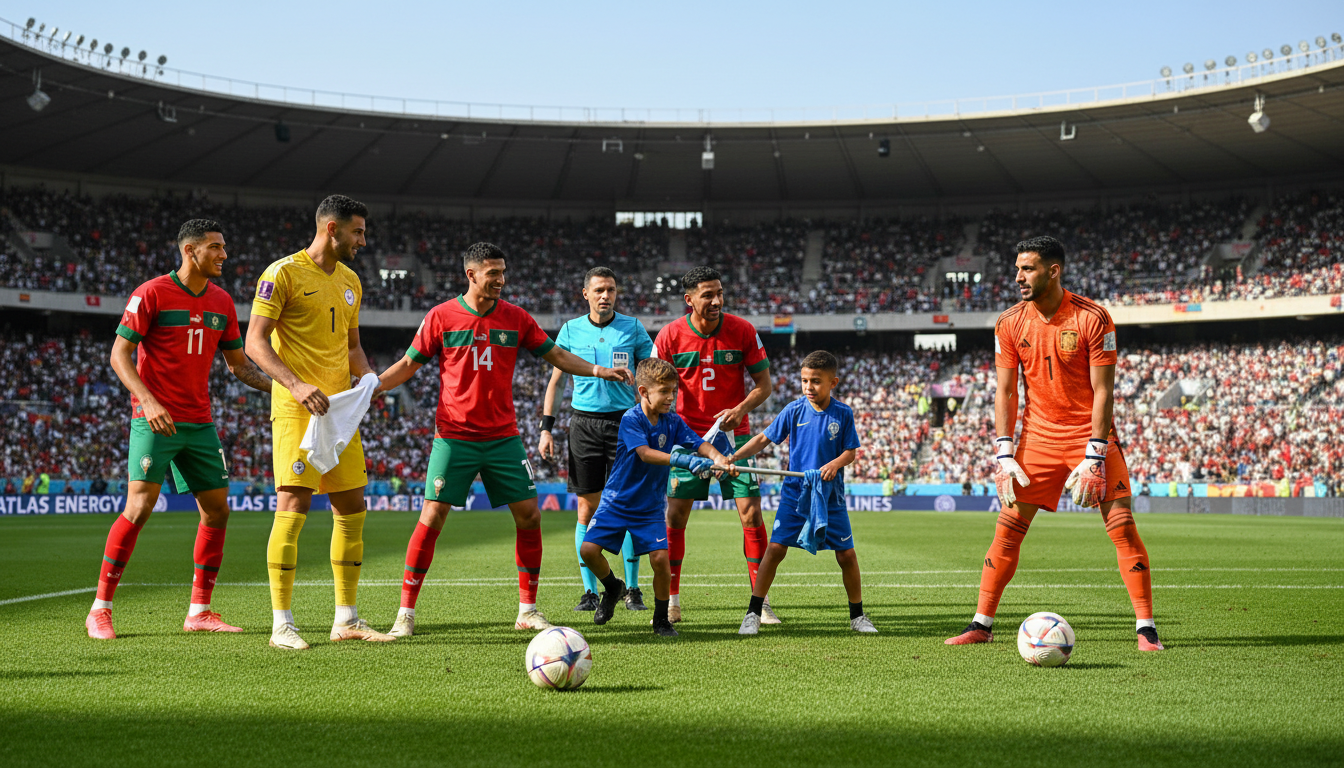
Beyond the purely tactical aspect, there is a dimension belonging to sports psychology. The goalkeeper is a solitary position that relies heavily on concentration and routine. The towel is part of this focusing ritual. Having one’s personal space invaded and belongings moved or stolen is a direct attempt at mental destabilization.
Here is a comparison of perceived motivations between the two camps during this memorable final:
| Actors | Action | Tactical Objective 🧠 | Psychological Objective ⚡ |
|---|---|---|---|
| Opposing goalkeepers (Senegal) | Aggressive protection of the towel | Keep the cheat sheets (shooters’ stats) | Maintain routine and sense of control |
| Moroccan players | Attempted theft or displacement | Remove the goalkeeper’s data | Create frustration and break concentration |
| Ball boys | Active complicity in the theft | Help the national team (home advantage) | Participate in crowd pressure on the opponent |
This phenomenon is not limited to the 2025 final. Earlier in the tournament or in previous competitions, other goalkeepers such as Nigerian Stanley Nwabali have faced similar behaviors, sometimes reacting violently. This illustrates a form of collective sporting superstition where it is believed that possessing or moving the opponent’s lucky object can reverse the outcome of the match.
The impact of “marginal gains” on the image of Moroccan football
In a talent market as competitive as football, every detail counts. However, the involvement of ball boys raises ethical questions. If they are part of the home advantage, their active participation in the game (or anti-game) places the cursor between national passion and fair play in a grey area. For Morocco, the host country, these incidents, although motivated by the desire to win, have sometimes diverted attention from the sporting performance itself.
The key moments of this “battle” during the final:
- 🧤 Yehvann Diouf’s intervention: The substitute goalkeeper physically intervened to prevent the opposing staff from grabbing the towel.
- 🏃 Ball boys’ audacity: Repeated attempts to recover the fabric while the match was stopped for a controversial penalty.
- 🚫 Ismael Saibari’s block: The PSV player positioned himself to block access to the towel, creating an altercation.
- 📸 Post-match celebration: Diouf proudly posting a photo of the medal… and the famous saved towel, turned war trophy.
Why do goalkeepers keep their towels so close to the goal?
Beyond the hygienic use to wipe sweat or gloves in humid weather, the towel often serves as a support to hide tactical notes regarding the opposing penalty takers.
Is it legal for an opposing player to touch the goalkeeper’s equipment?
Regulations are not explicit on the ‘ownership’ of the towel during a match, but any act of unsporting behavior aiming to provoke the opponent can be sanctioned by the referee.
What was the final result despite these destabilization attempts?
The strategy did not pay off for Morocco. Édouard Mendy, although disturbed, managed to save Brahim Díaz’s penalty, and Senegal won the final 1-0 thanks to a goal by Pape Gueye in extra time.

No responses yet