Dubai Airshow 2025: a military order that changes the game for Morocco
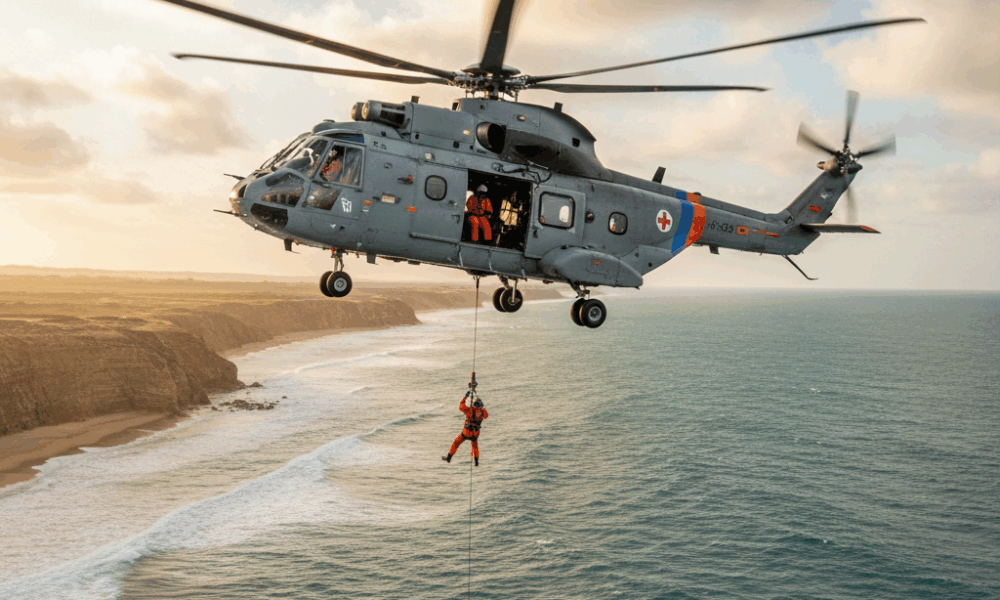
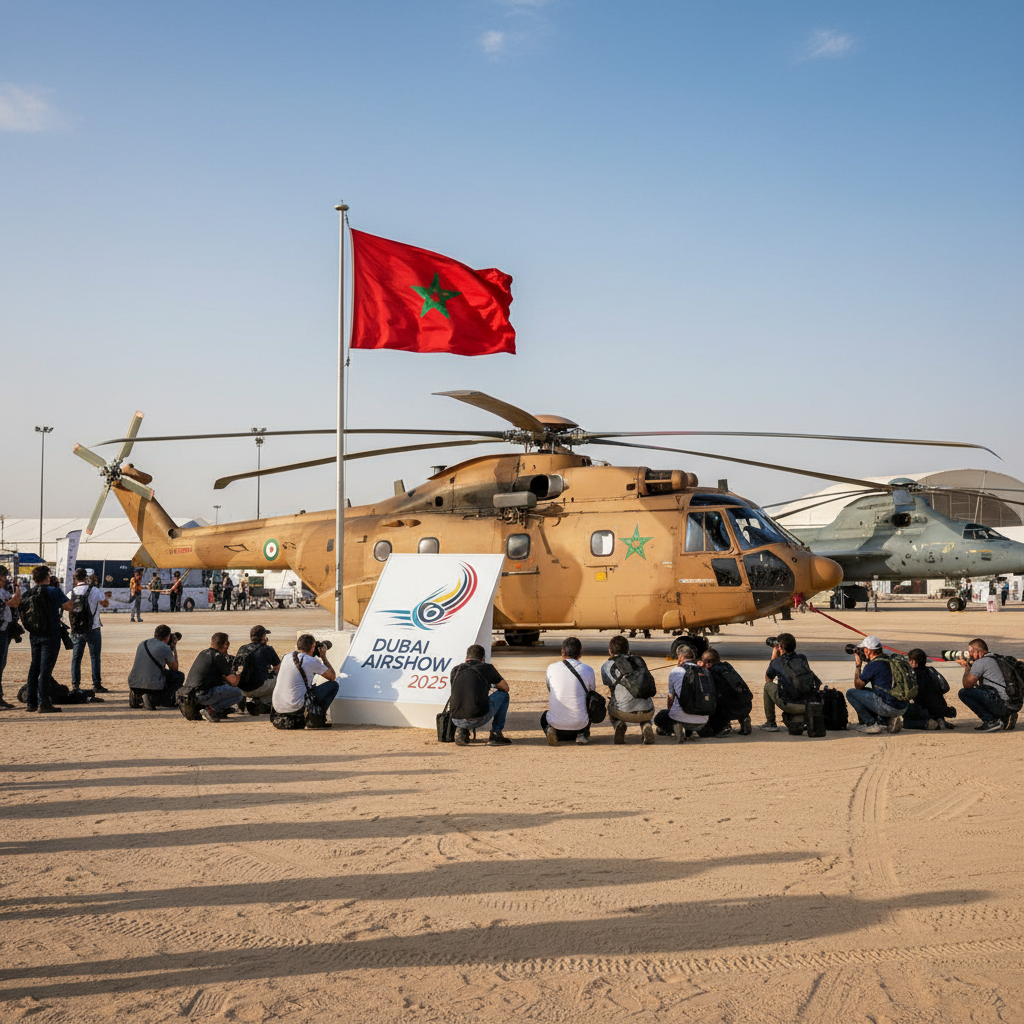
At the Dubai Airshow 2025, the announcement of the order for ten H225M helicopters by Morocco resonated as a strong signal of modernization, sovereignty, and industrial structuring. The aircraft, intended for the Royal Air Forces, will replace a fleet of Puma in service for decades, with an operational focus on search and rescue (SAR), including maritime environments. The agreement includes a support and connected services component, with no published value, emphasizing a life-cycle approach rather than just acquisition.
Operationally, each H225M integrates a double winch, a search spotlight, and a Safran Euroflir 410 optronic ball for target identification and all-weather navigation. The platform can be equipped with machine guns and an electronic warfare system for self-protection. A specific asset for missions over water is the presence of emergency floats and an autopilot stabilizing flight and hover, with an auto-recovery function in case of disorientation. This technological package serves both air defense and civil protection.
Beyond capabilities, the economic impact is appreciated through jobs created in maintenance, training, and digital support services. The Moroccan presence in Dubai, led by transport and logistics officials, clarified an ambition: to link the modernization of military equipment to an upgrade in the national aerospace industry. In this perspective, reading the contract details announced in Dubai highlights priorities in terms of skills, deadlines, and cooperation.
Why this decision fits into an economic strategy
This military order acts as a catalyst for local skills. It paves the way for MRO (Maintenance, Repair & Overhaul) contracts, certification of Moroccan centers, and partnerships with OEMs. Expected benefits concern the consolidation of the Casablanca-Nouaceur ecosystem, activation of a talent pipeline through OFPPT and engineering schools, and the creation of bridges between civil and military aviation.
- 🔧 Strengthening local MRO for H225M helicopters.
- 🎯 Acceleration of critical skills (avionics, optronics, data).
- 🌍 Consolidation of international partnership and know-how transfer.
- 🛰️ Deployment of connected services for predictive maintenance.
- 🧭 Better SAR coverage and support for civil security.
| Strategic axis | Content | Job impact |
|---|---|---|
| Modernization ✈️ | 10 H225M to replace old Puma | Additional technicians and logisticians 🛠️ |
| SAR capabilities 🌊 | Double winch, Euroflir 410, spotlight | Optronic specialists and medical cabin crew 👩⚕️ |
| Protection 🚨 | Machine guns and electronic warfare | EW experts and flight security 🔐 |
| Digital support 📡 | Connected services and data | Data analysts, IT cloud engineers ☁️ |
At the macro level, the purchase combines technological innovation, employment, and sovereignty. This triptych distinguishes a simple contract from an industrial policy trajectory, already analyzed in the sectoral perspective. Key final point: modernization makes sense only if it catalyzes sustainably employable human capital.
Jobs, skills and training: the ripple effect of acquiring the H225M
Fleet renewal is not just about deliveries. It mobilizes technical profiles, instructors, planners, and data managers. The challenge for Morocco is to align the order with an active policy on employment and skills. A concrete scenario takes shape at Midparc Casablanca, where several equipment suppliers already operate: integration of optronic test benches, training in predictive diagnostics, and creation of mixed civilian-military teams for managing critical stocks.
A use case illustrates this dynamic. Amina, an avionics technician who went through an OFPPT pathway, is undergoing skill development for maintaining the Euroflir 410. Her journey combines Part-145 certification, learning software for Health & Usage Monitoring System, and practical training on a diagnostic simulator. These trajectories, multiplied across several bases, nurture national employability.
Profiles in demand and possible responses
Certain specialties will be particularly sought after: optronics, electronic warfare systems, embedded software, but also fleet management and supply chain. Morocco stands to benefit from anticipating needs through university-industry bridges, targeted scholarships, and apprenticeship pathways. Why not pool test laboratories between civil society, civil security, and defense forces to streamline recruitment?
- 🧪 Optronics and sensors: technicians for Euroflir and spotlight.
- 🛡️ EW and cybersecurity: mixed IT/electronics profiles.
- 🛫 Airframe/rotor mechanics: adjustment, composites, testing.
- 📦 Critical parts logistics: planning and traceability.
- 📊 Data & MRO: HUMS analysts and predictive maintenance.
| Key skill | Target profession | Training in Morocco | Opportunity |
|---|---|---|---|
| Optronics 🔭 | Euroflir technician | OFPPT, engineering schools | IR/NVG sensor certification ✅ |
| Avionics ⚡ | Systems engineer | EMI, ENSA, ENSAM | H225M interoperability 🧩 |
| HUMS data 📈 | MRO data analyst | Data master’s + Part-145 | Reduced cost per flight hour 💰 |
| EW & Security 🔐 | Self-protection specialist | Joint programs | Resilience against threats 🛡️ |
To support this transformation, useful resources detail the command architecture and its impacts on professions, such as the industrial impact analysis. In the short term, the goal is simple: create a base of qualified exportable jobs while securing the national aviation. In the medium term, build a regional helicopter maintenance hub.
Success will depend on tight alignment between industry players, training centers, and public operators. The best proof of effectiveness will be increased autonomy on critical tasks, measured by reduced downtime and improved availability rates. A clear target: qualified employment as a lever of sovereignty.
H225M helicopter capabilities and operational gains for air defense and rescue
The H225M, a twin-engine transport and assault helicopter, meets Moroccan needs across a broad spectrum of missions. For maritime SAR, the floats, stabilized autopilot, and auto-recovery enhance crew safety even in degraded conditions. In tactical flight, the spacious cabin allows carrying personnel, medical kits, and heavy equipment. The extended range and all-weather navigation systems improve projection on coasts, deserts, and rugged terrain.
The Safran Euroflir 410 ball, coupled with onboard sensors, ensures acquisition and identification by day and night. The spotlight facilitates precise location and coordination with ground teams. Armament options – machine guns on the side – and protective electronics provide an additional margin to extract injured persons under threat without compromising the rescue mission.
From technology to concrete effects in the field
The link between technology and efficiency is measured in reduced search times, extraction accuracy, and crew safety. For example, during an operation in rough seas, the double winch secures rotation of rescuers and simultaneous recovery of two victims. In the mountains, the hovering autopilot reduces cognitive load and risk of error. In a medical evacuation theater, cabin layout minimizes intervention times.
- 🧭 All-weather navigation: continuity of critical missions.
- 🪝 Double winch: efficiency and safety in lifting.
- 🔦 Spotlight + optronics: rapid night localization.
- 🛡️ EW self-protection: mission continued under threat.
- 🛞 Large cabin: versatile transport/MEDEVAC.
| System | Function | Operational gain | Use case |
|---|---|---|---|
| Euroflir 410 🔭 | Multi-sensor imaging | Rapid identification ✅ | Nocturnal coastal SAR 🌙 |
| Autopilot 🧠 | Stability and auto-recovery | Crew safety 🛡️ | Hover in strong wind 💨 |
| Floats 🌊 | Emergency water landing | Survivability ⛑️ | Maritime patrol |
| EW + armament 🔐 | Self-protection | Mission resilience 🔁 | Extraction under threat |
The acquisition is not just a capacity leap; it also structures doctrine. Sector documents, such as the timeline and first milestones, confirm the priority given to rescue and interoperability with other public actors. The key insight is clear: technology only makes sense if it concretely improves people’s safety and national responsiveness.
International partnership and connected services: anchoring value in Morocco
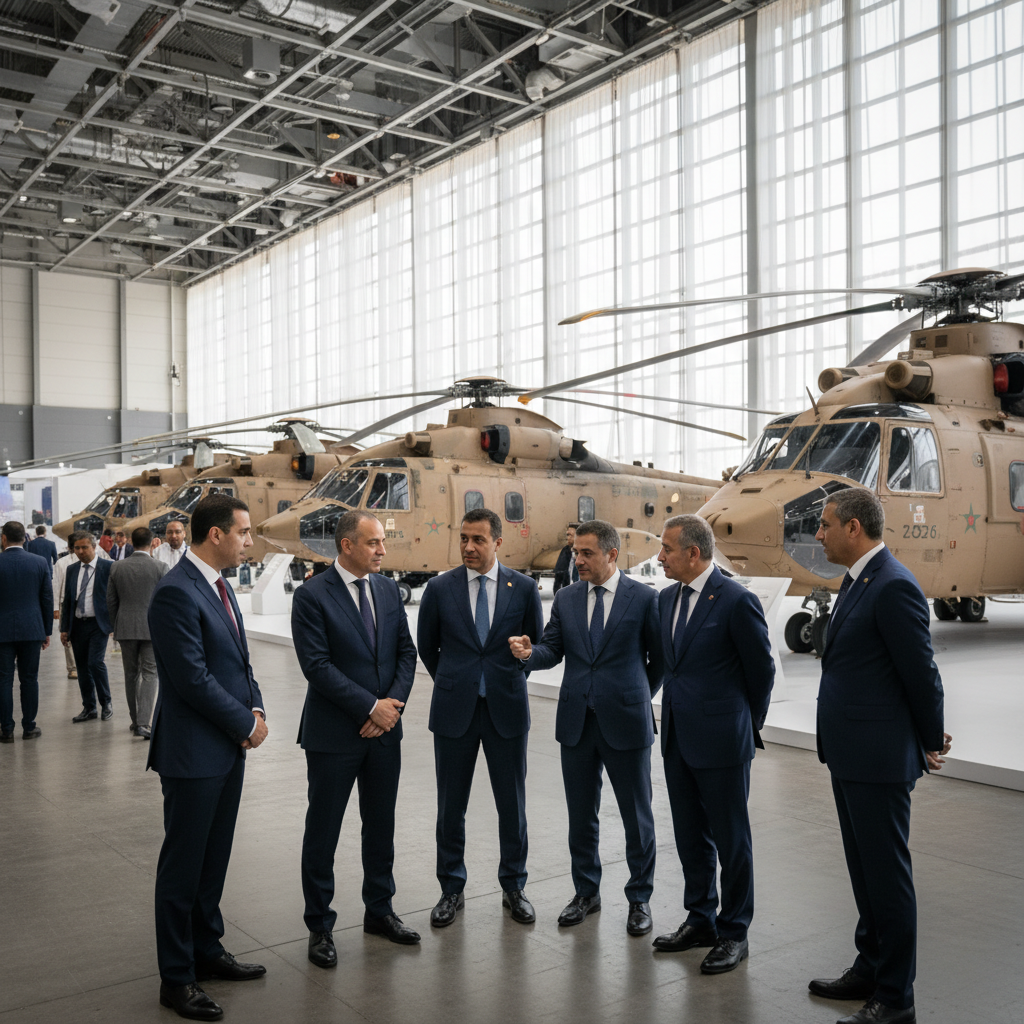
The international partnership component is central. The agreement includes a support package and connected services that optimize maintenance, plan inspections, and anticipate failures via database-driven models. For the Moroccan aerospace industry, this is an opportunity to build links with European supply chains and integrate Moroccan sites into long-term load plans.
Practically, technical exchanges and cross-training can be set up at Marignane and in Morocco, aiming to certify local teams on intermediate and then heavy-level operations. Bridges with Safran for optronics and engine maintenance, as well as university cooperation on digital twins, would provide a lasting advantage. Expected benefits are detailed in this presentation of cooperation axes.
Cooperation governance and ecosystem effects
To avoid scattering, clear governance is needed: roadmap by batches (training, MRO, data), transfer indicators, and annual audits. Integration of Moroccan SMEs in wiring, testing, or cabin component segments must be driven by framework contracts securing quality and deadlines. Cybersecurity needs on maintenance data imply standards and reinforced sovereignty.
- 🤝 Joint training and certification programs.
- 🧩 Integration of local SMEs on sub-assemblies.
- 🛰️ Data platforms for HUMS monitoring.
- 📑 Framework contracts with transfer indicators.
- 🔒 Cybersecurity governance of connected services.
| Pillar | Actors | Deliverable | Benefit |
|---|---|---|---|
| Training 🎓 | Airbus/Safran & Moroccan centers | Certified pathways | Durable skills 💼 |
| MRO 🛠️ | FRA bases & industry | Local Part-145 capacity | Increased availability ✅ |
| Data 📡 | Public/private IT | HUMS platform | Reduced costs 💰 |
| SMEs 🇲🇦 | Nouaceur ecosystem | Subcontracted packages | Ripple effect 🔁 |
The partnership only matters if measurable results follow. A good benchmark is the number of heavy operations conducted in Morocco within the first 36 months. To follow cooperation milestones and local anchoring, see the operational roadmap. This component usefully complements the capacity axis by ensuring the creation of qualified jobs.
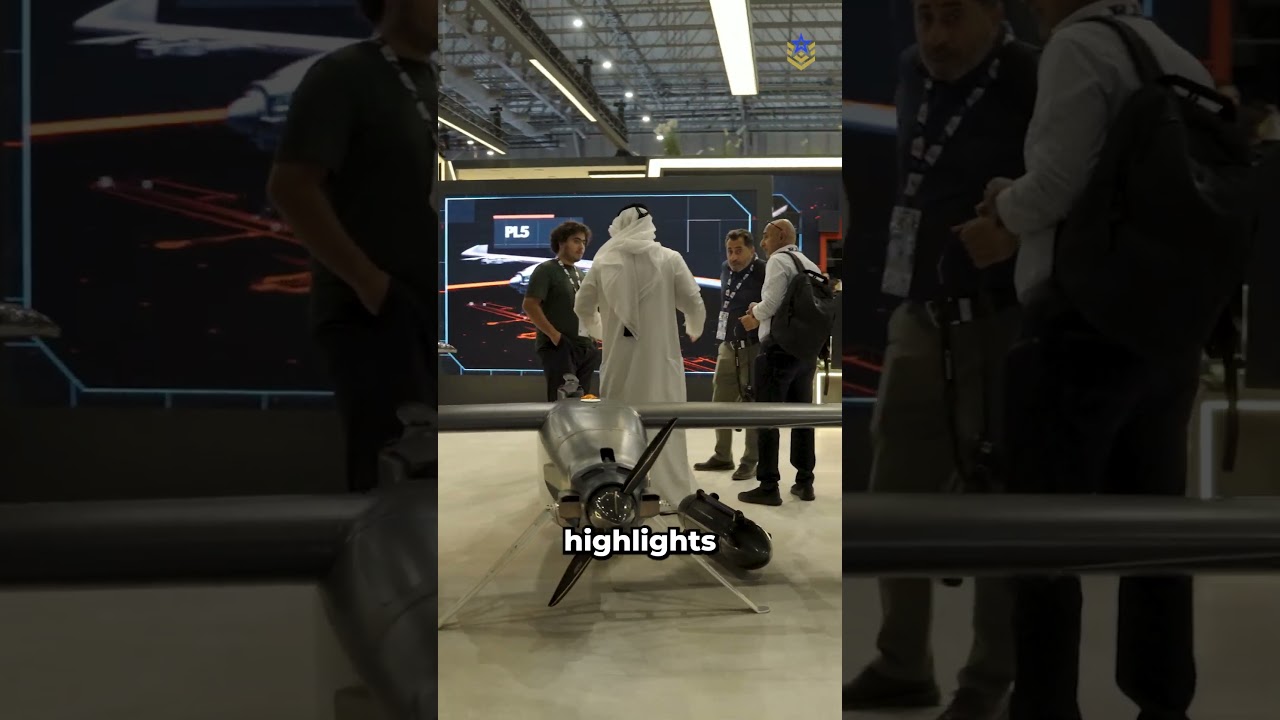
Ultimately, the goal is to position Morocco as a regional helicopter MRO hub, capable of serving African and Middle Eastern operators. This realistic horizon requires execution rigor and shared indicators.
Financing, governance and indicators: maximizing public value and employment impact
The value of a military equipment program is measured as much in operational capacity as in socio-economic outcomes. To effectively steer the acquisition of H225M helicopters, using clear indicators is key: availability rate, cost per flight hour, local content, direct/indirect employment, average repair time, and supply delay. These metrics guide budget allocation and autonomy build-up.
On governance, an interministerial committee (defense, transport, industry, employment) can oversee implementation by phases: delivery, training, MRO ramp-up, SME integration, data. Transparent communication, without revealing sensitive elements, strengthens public and talent trust. Published milestones – even aggregated – help young graduates envision the promising professions mentioned in the milestones and professions update.
Which KPIs to reconcile performance and employment?
Performance indicators must be actionable, comparable, and linked to concrete decisions. For example: if the cost per flight hour exceeds a threshold, trigger a supply chain audit and a stock optimization plan. If the availability rate drops, accelerate training and certification of additional technicians. The strength of good management lies in turning data into action.
- 📊 Target fleet availability rate: >80%.
- ⏱️ Heavy maintenance TAT: -20% in 24 months.
- 🏭 Local content: +15% added value in Morocco.
- 👩🏫 Certified training hours: +30%.
- 📦 Critical parts lead time: -25%.
| Indicator | Baseline | Target | Deadline | Usefulness |
|---|---|---|---|---|
| Availability ✈️ | 70% | 85% | 24 months | More missions completed ✅ |
| Cost/hour 💰 | 100 (index) | 85 | 36 months | Budget efficiency 📉 |
| Local content 🇲🇦 | 5% | 20% | 48 months | Employment and sovereignty 💼 |
| Training 🎓 | Annual base | x1.3 | 18 months | Increased MRO capacity 🛠️ |
Public visibility on socio-economic benefits fosters support. Available summaries, including the program tracking page, show that transparency is not incompatible with security. The essential point is to prove that spending strengthens both citizen protection and qualified employment.
Territorial anchoring and opportunities for Moroccan aviation talents
Beyond air bases, the dynamic benefits several territories. Casablanca concentrates engineering, tooling, and testing. Kénitra and Tangier can attract wiring, composite parts, and logistics activities. Agadir and Dakhla offer training grounds for maritime SAR and multi-agency coordination. The challenge is to connect these hubs to a clear career path for Moroccan talent.
Young graduates find unprecedented bridges between technical subjects and social purposes: saving lives, securing coasts, supporting isolated populations. Recruiters, for their part, have an attractive narrative to retain talent: cutting-edge technologies, certified training, and concrete impact. Reference information, like the synthetic presentation of the order, helps to map these pathways.
Mapping opportunities and building pathways
To align expectations and realities, three levers are decisive: orientation (aerospace specialized job boards), training (rapid-paced micro-certifications), and experience (internships in MRO centers). A one-stop shop, operating in connection with the relevant ministries, could aggregate offers and certification calendars. The notion of technological innovation must be made tangible through workshops, simulators, and open demonstrators.
- 🧭 Orientation: mapping professions and bridges.
- 🧰 Micro-certifications: HUMS, optronics, EW modules.
- 🏗️ MRO internships: immersion in rotor/airframe workshop.
- 🤝 Partnerships: universities–industry–FRA.
- 📚 Resources: guides and feedback.
| Territory | Specialty | Actors | Employment effect |
|---|---|---|---|
| Casablanca 🏙️ | Engineering & testing | Midparc, schools, FRA | R&D and MRO talents 👩🔬 |
| Tangier 🚢 | Logistics & composites | Free zones | Supply chain and workshops 📦 |
| Kénitra 🧩 | Wiring & sub-assemblies | Local SMEs | Local industrial integration 🧑🏭 |
| Agadir/Dakhla 🌊 | Maritime SAR | Public agencies | Operations and maintenance ⛑️ |
Throughout, the H225M order is much more than a purchase: it structures careers, strengthens territories, and sets a course for a whole generation of professionals. For practical information on steps and opportunities, the opportunities summary page offers a consolidated vision. The simple idea to retain: turning a strategic decision into thousands of useful professional pathways for the country.
{“@context”:”https://schema.org”,”@type”:”FAQPage”,”mainEntity”:[{“@type”:”Question”,”name”:”What are the main operational strengths of the H225Ms acquired by Morocco?”,”acceptedAnswer”:{“@type”:”Answer”,”text”:”The aircraft feature a double winch, a search spotlight, a Safran Euroflir 410 optronic ball, an autopilot stabilizing flight, and an auto-recovery system. They can be equipped with self-protection and armament systems, and are adapted to SAR missions, including over the sea thanks to emergency floats.”}},{“@type”:”Question”,”name”:”Does this order benefit employment in Morocco?”,”acceptedAnswer”:{“@type”:”Answer”,”text”:”Yes. The benefits include a ramp-up of MRO capacity, certification of local teams, and creation of positions in avionics, optronics, HUMS data, and logistics. Ecosystems in Casablanca, Tangier, and Kénitra are expected to benefit from a ripple effect.”}},{“@type”:”Question”,”name”:”What industrial benefits are expected in the medium term?”,”acceptedAnswer”:{“@type”:”Answer”,”text”:”Development of Part-145 certified workshops, integration of Moroccan SMEs into the value chain (wiring, composites, testing), and implementation of connected services for predictive maintenance. The goal is a regional helicopter MRO hub.”}},{“@type”:”Question”,”name”:”Where to track progress and key milestones of the program?”,”acceptedAnswer”:{“@type”:”Answer”,”text”:”Public summaries and analyses are gathered on dedicated resources, including a summary page detailing the order, milestones, and professional impacts. See, for example, a complete presentation accessible here: https://employeur.ma/maroc-commande-helicopteres-airbus.”}},{“@type”:”Question”,”name”:”What is the link with citizens’ security?”,”acceptedAnswer”:{“@type”:”Answer”,”text”:”Modernization enables faster and safer interventions in cases of shipwreck, accident, or crisis, while strengthening air defense resilience. The embedded technologies improve detection, coordination, and effectiveness of rescue operations.”}}]}What are the main operational strengths of the H225Ms acquired by Morocco?
The aircraft feature a double winch, a search spotlight, a Safran Euroflir 410 optronic ball, an autopilot stabilizing flight, and an auto-recovery system. They can be equipped with self-protection and armament systems, and are adapted to SAR missions, including over the sea thanks to emergency floats.
Does this order benefit employment in Morocco?
Yes. The benefits include a ramp-up of MRO capacity, certification of local teams, and creation of positions in avionics, optronics, HUMS data, and logistics. Ecosystems in Casablanca, Tangier, and Kénitra are expected to benefit from a ripple effect.
What industrial benefits are expected in the medium term?
Development of Part-145 certified workshops, integration of Moroccan SMEs into the value chain (wiring, composites, testing), and implementation of connected services for predictive maintenance. The goal is a regional helicopter MRO hub.
Where to track progress and key milestones of the program?
Public summaries and analyses are gathered on dedicated resources, including a summary page detailing the order, milestones, and professional impacts. See, for example, a complete presentation accessible here: https://employeur.ma/maroc-commande-helicopteres-airbus.
What is the link with citizens’ security?
Modernization enables faster and safer interventions in cases of shipwreck, accident, or crisis, while strengthening air defense resilience. The embedded technologies improve detection, coordination, and effectiveness of rescue operations.

Comments are closed