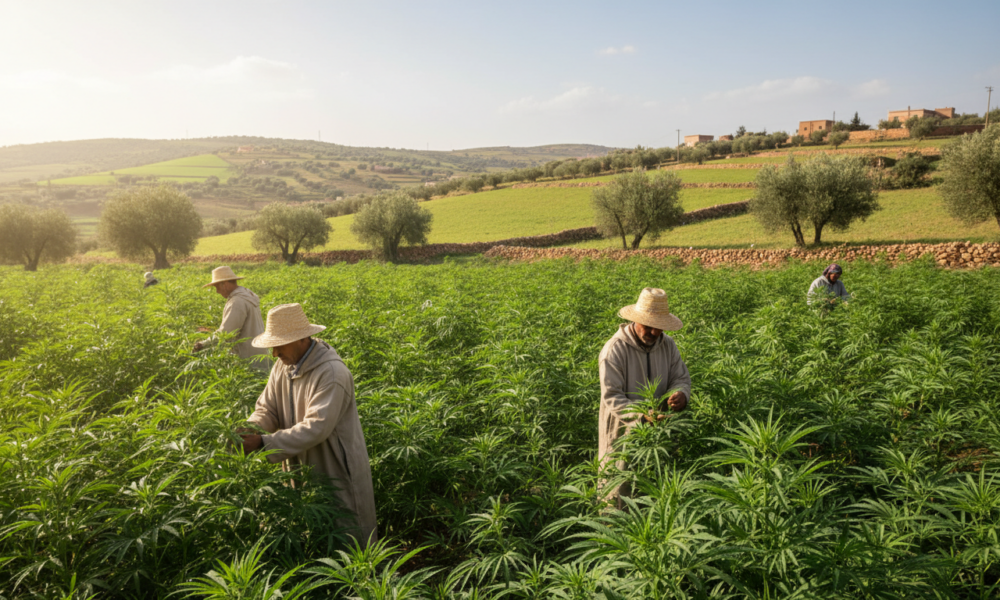
The Kingdom reaches a decisive milestone in 2025. Far from past clichés, Morocco is orchestrating a major economic metamorphosis by transforming an ancestral culture into a powerful driver of development. The transition to a regulated sector is not limited to agriculture; it reshapes employment prospects and positions the country on the international chessboard of pharmaceutical and cosmetic industries.
The global rise of the cannabis industry: a strategic opportunity for the Kingdom
The global market for medical and industrial cannabis is experiencing exponential growth, and Morocco has decided not to stand aside from this momentum. By capitalizing on its historical know-how and exceptional climatic conditions, the country aims to become a key player in this global rise. This ambition is based on a clear vision: to enhance the local product while respecting the strictest international standards.
In 2025, the numbers speak for themselves. The area dedicated to legal cultivation under license has reached 4,751 hectares, double that of the previous year. This rapid expansion reflects the gradual adoption by farmers of the formal model, reassured by opportunities for stable income and the social protection offered by this new framework. It is no longer about survival, but building an excellent sector.
Rigorous regulation led by ANRAC
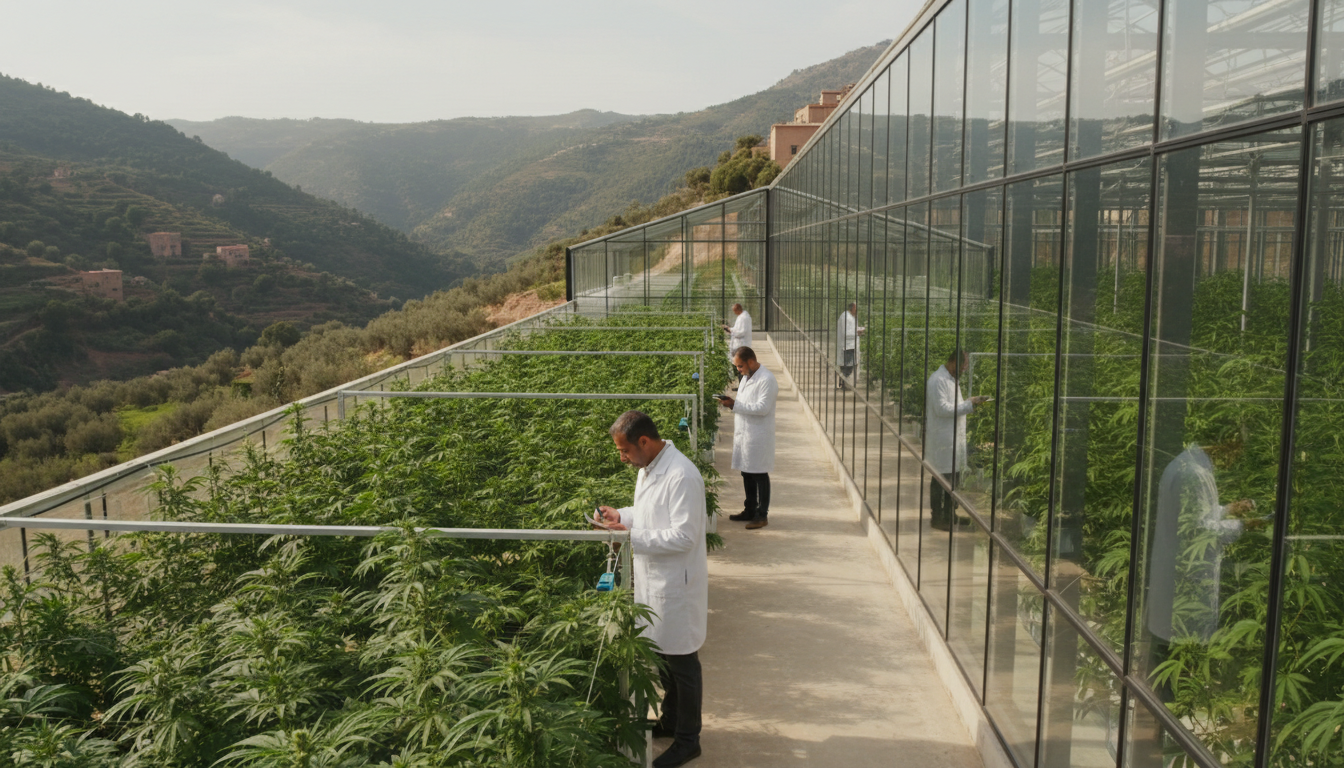
The success of this bet rests on a solid legal framework. Law No. 13-21 laid the foundations, but it is the National Agency for the Regulation of Cannabis-related Activities (ANRAC) that plays the role of conductor. Its action aims to sustainably structure the cannabis industry by ensuring flawless traceability from seed to finished product intended for export.
The agency does not simply issue permits; it supports the transformation of agricultural practices. The shift from informal to a legal ecosystem requires significant technical upgrading to meet pharmaceutical quality standards. This is where agricultural innovation comes in, allowing optimization of yields while reducing the ecological footprint, thus aligning with a green economy approach.
Socio-economic impact and revitalization of rural areas
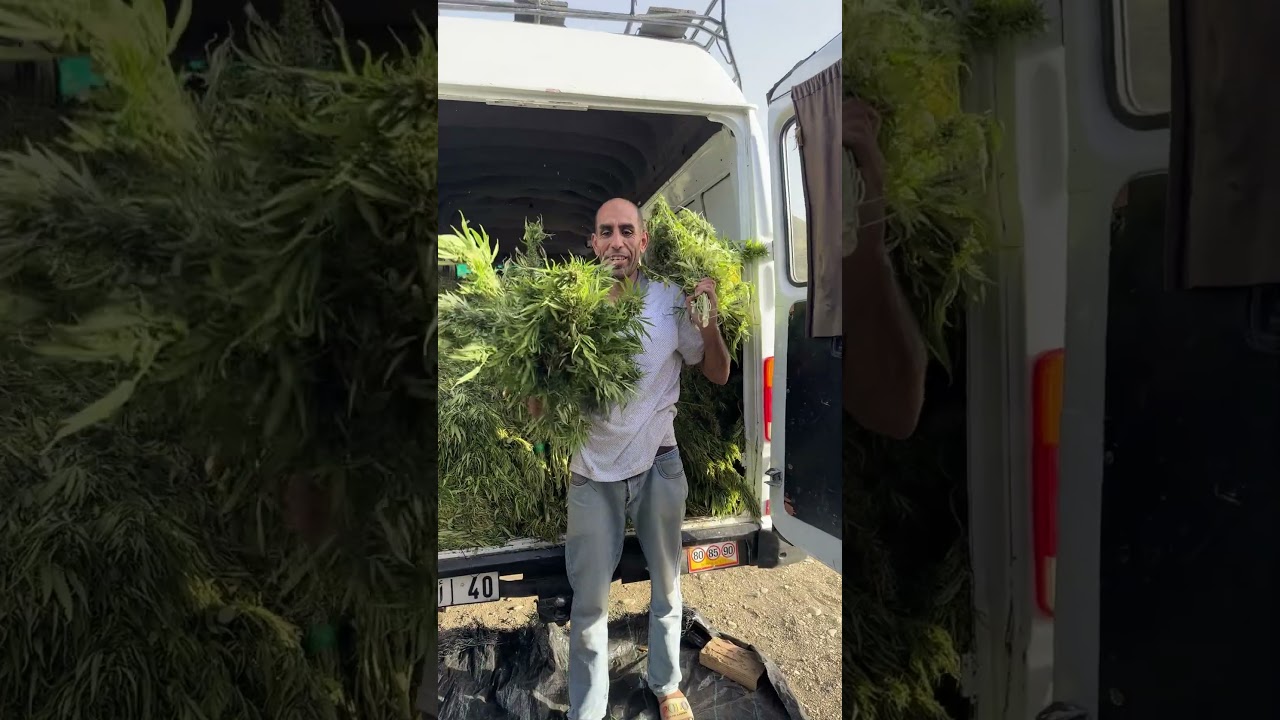
The impact of this legalization goes beyond simple macroeconomic indicators. It touches the heart of the social fabric of the northern provinces, notably Al Hoceima, Chefchaouen, and Taza. The formalization of the activity helps open up these regions by attracting investments in processing and logistics infrastructure. 🏗️
For the inhabitants, this means the end of precariousness linked to clandestinity. Cooperatives play a central role in this inclusion, bringing together smallholders to give them negotiating power with industrial players. Here are the main benefits observed for local actors:
- 📈 Income security: Guaranteed purchase contracts with processing factories.
- 🛡️ Social protection: Access to fundamental rights and medical coverage for registered farmers.
- 🚜 Modernization of tools: Access to irrigation technologies and certified seeds.
- 🤝 Continuous training: Development of new technical skills adapted to industrial standards.
- 🌍 International recognition: Valorization of Moroccan terroir through quality labels.
Comparison: From shadow to light
To fully grasp the extent of the ongoing transformation, it is relevant to analyze the evolution of practices. The shift to legality profoundly changes the very structure of production and marketing.
| Aspect | Old Model (Informal) 🚫 | New Model (Legal 2025) ✅ |
|---|---|---|
| Producer Status | Outlawed, precarious | Registered farmer, professional status |
| Product Destination | Black market, recreational use | Pharmaceutical, cosmetic, industrial industry |
| Quality & Traceability | Non-existent, variable | Certified, standardized, traceable |
| Environmental Impact | Deforestation, soil depletion | Sustainable practices, crop rotation |
Towards new professional horizons
The emergence of this sector creates a breath of fresh air in the Moroccan job market. Needs are not limited to agricultural labor. The industry now demands qualified profiles: agronomist engineers, laboratory technicians, quality specialists, logistics experts, and international sales professionals. 💼
This is a unique opportunity for young graduates and professionals retraining to enter a sector of the future. Companies invest in training to align local skills with global demands, thus creating a virtuous circle of knowledge and shared prosperity. Morocco thus proves that intelligent regulation can turn a historic challenge into an inclusive growth engine.
{“@context”:”https://schema.org”,”@type”:”FAQPage”,”mainEntity”:[{“@type”:”Question”,”name”:”Which regions are concerned with legal cannabis cultivation in Morocco?”,”acceptedAnswer”:{“@type”:”Answer”,”text”:”Legal cultivation is strictly geographically delimited. It mainly concerns the historic provinces of Chefchaouen, Al Hoceima, and Taza, allowing for concentrated development and control efforts in these specific areas.”}},{“@type”:”Question”,”name”:”What is the role of ANRAC in this process?”,”acceptedAnswer”:{“@type”:”Answer”,”text”:”ANRAC (National Agency for the Regulation of Cannabis-related Activities) is the authority responsible for issuing licenses, controlling crops, supervising processing, and ensuring compliance with standards for export and industrial or medical use.”}},{“@type”:”Question”,”name”:”Is recreational cannabis legalized in Morocco?”,”acceptedAnswer”:{“@type”:”Answer”,”text”:”No, legalization concerns only medical, cosmetic, and industrial uses. Recreational use remains strictly prohibited by Moroccan law.”}},{“@type”:”Question”,”name”:”What types of jobs does this new industry create?”,”acceptedAnswer”:{“@type”:”Answer”,”text”:”Beyond agricultural jobs, the sector generates positions in industrial processing, research and development (R&D), quality control, logistics, and international trade.”}}]}Which regions are concerned with legal cannabis cultivation in Morocco?
Legal cultivation is strictly geographically delimited. It mainly concerns the historic provinces of Chefchaouen, Al Hoceima, and Taza, allowing for concentrated development and control efforts in these specific areas.
What is the role of ANRAC in this process?
ANRAC (National Agency for the Regulation of Cannabis-related Activities) is the authority responsible for issuing licenses, controlling crops, supervising processing, and ensuring compliance with standards for export and industrial or medical use.
Is recreational cannabis legalized in Morocco?
No, legalization concerns only medical, cosmetic, and industrial uses. Recreational use remains strictly prohibited by Moroccan law.
What types of jobs does this new industry create?
Beyond agricultural jobs, the sector generates positions in industrial processing, research and development (R&D), quality control, logistics, and international trade.

Comments are closed