
Institut Pasteur du Maroc in 2025: a pivotal role in public health and health surveillance
At the heart of the Kingdom’s Public Health policy, the Institut Pasteur Maroc consolidates in 2025 a strategic positioning built on expertise, scientific rigor, and social utility. Heir to a century anchored in Casablanca, the institution combines monitoring of health threats, crisis response, and support to decision-makers. This central position is explained by a controlled articulation between cutting-edge laboratories, a network of national and international partners, and a culture of service to both citizens and businesses.
The Epidemiological Surveillance system relies on collection and analysis platforms capable of early detection of weak signals. At the scale of cities, clusters, or industrial sectors, biological data are leveraged to guide prevention and care actions. This alert function is inseparable from analysis, confirmation, and methodological advisory activities provided to health authorities and hospital structures.
A member of the International Network of Pasteur Institutes and IANPHI, the Institut is part of a structured international health cooperation. Support for the Regional Competence Network for North Africa led by Africa CDC embodies this dynamic, with concrete objectives: strengthening capacities, harmonizing standards, and accelerating skill development around Innovative Vaccines and bioproduction platforms.
Surveillance, decision-making, and local impact
Practically, health surveillance feeds public policies: vaccination plans, laboratory strategy, food product safety, and control of nosocomial infections. The lessons learned from recent emergencies have been transformed into robust protocols, articulating Infectious Disease Prevention and evidence-based monitoring. Businesses also find support here: securing value chains, regulatory compliance, and supporting HSE plans.
For young professionals, this network opens up prospects. Public health competitions, for example, remain a pathway to stable and socially useful positions. Candidates can find information on conditions and schedules through reliable references such as this guide on health ministry competitions where the key application stages are recalled.
- 🧭 Early warning role: aggregation and analysis of microbiological signals.
- 🧪 Reference laboratories: Molecular Diagnostics, virology, parasitology.
- 🛡️ Support to authorities: recommendations, protocols, ongoing training.
- 🌍 Regional partnerships: international health cooperation and knowledge transfer.
- 💼 Employment bridges: internships, competitions, pathways to industry and hospitals.
| Key mission 💡 | Impact indicator 📊 | Usefulness for the Moroccan public 🇲🇦 | Practical resource 🔗 |
|---|---|---|---|
| Epidemiological Surveillance | Early detection of outbreaks | Risk reduction and targeted responses | Access to health competitions ✅ |
| Reference analyses | Turnaround time and reliability | Faster therapeutic guidance | Overview of regional clinics 🏥 |
| Business advice | Compliance and successful audits | More resilient value chains | Example of innovative ecosystems 🧱 |
The strength of the model therefore comes from this combination: scientific expertise, local services, and network governance.

Scientific missions and diagnostic capacities: from field to laboratory
The Institut’s historic missions are developed around three complementary axes: production and control of biological materials, analyses and advice in Public Health, and training. In the laboratory, the chain from sample to exploitable result mobilizes state-of-the-art Molecular Diagnostic technologies, targeted sequencing, and multiplex panels to detect viruses, bacteria, or parasites in an optimized time frame.
The analysis center, considered among the most comprehensive in the country, supports hospitals, physicians, as well as agri-food and industrial actors. Families find quick answers for serologies, PCRs, or specialized assessments. Businesses rely on clear standards for the sanitary quality of their products and environments.
Virology, parasitology, and toxicology: a range of specialties
In virology, indications range from hepatitis confirmation to viral load monitoring. In parasitology, targeted detection of cutaneous leishmaniasis or other endemic parasitoses relies on documentary and field expertise, with useful incidence maps for local action plans. In toxicology, research on scorpion and viper venoms has fed protocols for emergency services, reinforcing the continuum between science and practice.
A concrete example illustrates this integrated approach: in a province where cutaneous cases are increasing, surveillance mobilizes specific PCR, environmental analysis, and community health education. The adjustment of interventions, validated by laboratory data, enables swift and low-cost action.
- 🧫 PCR and NGS platforms for applied Biomedical Research.
- 🧯 Toxicology reference for venom-related incidents.
- 🧭 Methodological advice to hospitals and municipalities.
- 🤝 Bridges with paramedical and university training.
- 📦 Management of standardized reagents and culture media.
| Service 🔬 | Technology ⚙️ | Beneficiaries 👥 | Added value ✅ |
|---|---|---|---|
| Virology | Real-time PCR, serology | Hospitals, clinics, patients | Accelerated therapeutic decisions ⏱️ |
| Parasitology | Microscopy, targeted PCR | Endemic regions | Risk mapping 🗺️ |
| Toxicology | Immunological assays | Emergency, industrial | Standardized intervention protocols 📘 |
To broaden its references, the public can be interested in reference clinical services in the capital to measure the alignment between diagnosis and care, as illustrated by this overview of clinical services in Rabat.
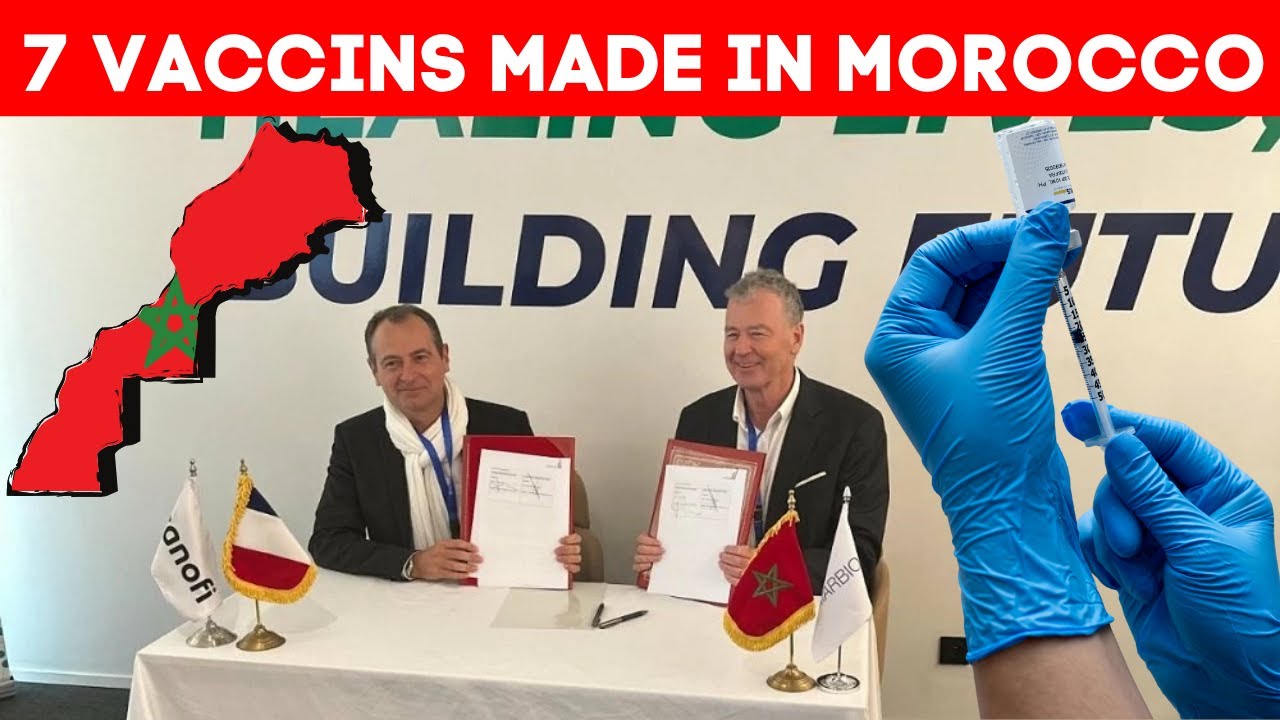
Operational coherence is evident: from sampling to interpretation, expertise remains accessible and impact-oriented.
Biomedical research and innovative vaccines: biotechnological advances 2025
The 2025 roadmap emphasizes Biotechnological advances 2025 in the service of health sovereignty. The institute contributes to projects on Innovative Vaccines, analytical platforms for vaccine quality and safety, and modeling studies integrating climate, mobility, and behaviors. This vision fits into a continuum: fundamental research, clinical translation, and field feedback to adjust priorities.
Morocco strengthens its role in North Africa in bioproduction, with the institute as co-pilot of shared capacities. Training, technology transfers, and standards harmonization are on the agenda to accelerate the transition from laboratory to industrialization. Biomedical Research projects include developing robust methods to evaluate immunogenicity, stability, and cold chain, linked to the real needs of health systems.
From model to solution: innovation pipeline
In vector-borne diseases, multi-scale modeling of leishmaniasis enlightens decision-makers on intervention windows. In virology, integration of metagenomic data into dynamic dashboards allows tracking variant emergence and resisting surprise effects. Collaborations also open with the industrial ecosystem, where quality demands in cutting-edge sectors inspire advanced control methods; proof that innovation transcends silos, as illustrated by these leads on industrial innovations emphasizing standardization and traceability.
On the human level, the innovation pipeline engages researchers, quality engineers, data scientists, and clinicians. The goal: shorten the time between idea, trial, and adoption, without compromising safety. The expected result is twofold: better crisis resilience, and performance gains in routine.
- 🧠 Data-lab integration for real-time dashboards.
- 🧬 Standardized immune response evaluation protocols.
- 🏭 Strengthened links with regional bioproduction.
- 🔐 Traceability and quality assurance across the chain.
- 🛰️ Predictive models targeting Infectious Disease Prevention.
| Program 🚀 | Key technology 🧩 | Expected impact 🎯 | Partnership 🌐 |
|---|---|---|---|
| Innovative vaccines | Immunogenic analyses | Better protection of at-risk groups | Africa CDC, university networks 🤝 |
| Genomic surveillance | NGS, metagenomics | Rapid detection of variants | International Network of Pasteur Institutes 🌍 |
| Quality and cold chain | Monitoring systems | Stability and vaccine safety | Biopharma industry and logistics 📦 |
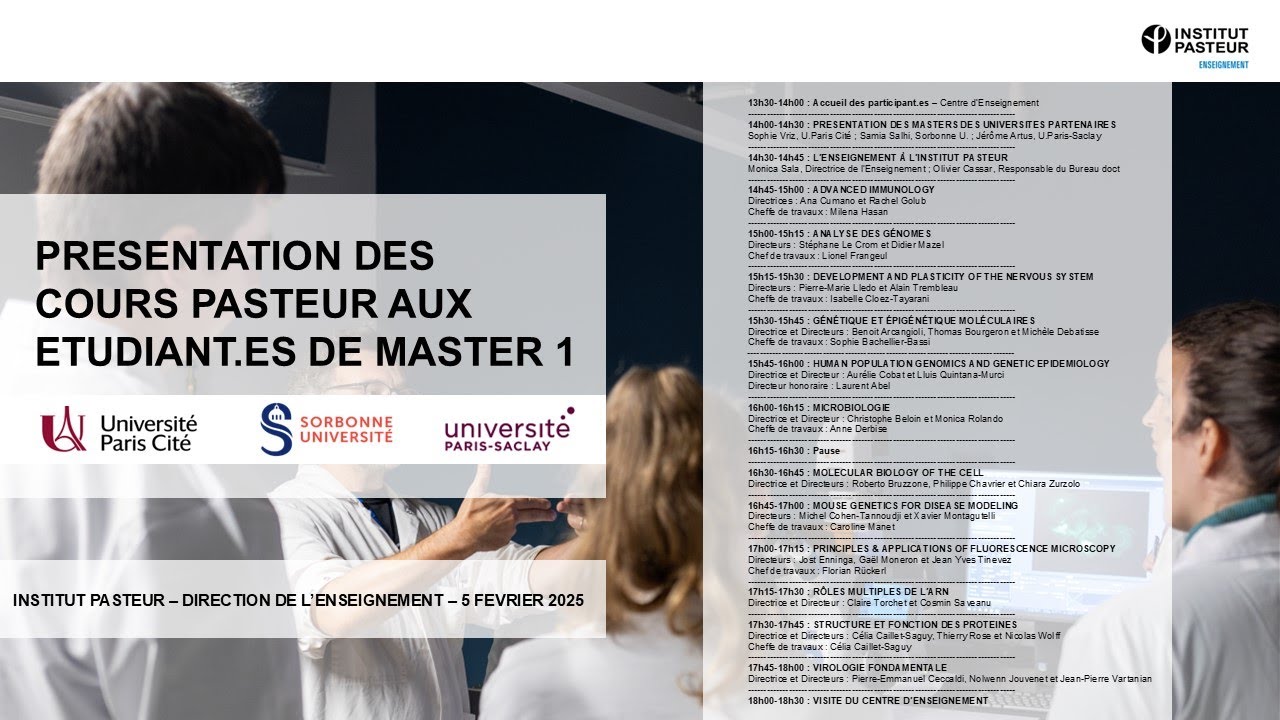
This milestone places the institute as a reliable interface between science, industry, and public policies, in the service of measurable impact.
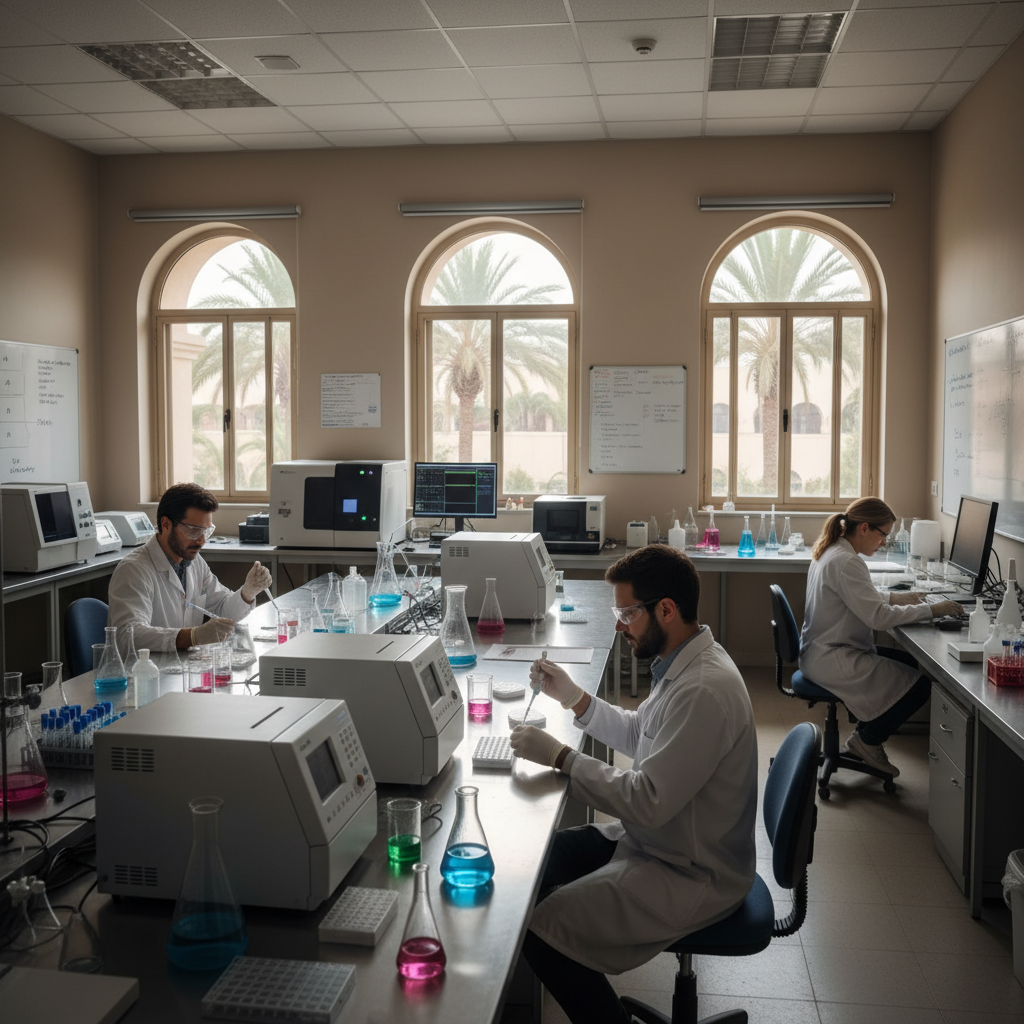
Scientific training, jobs, and pathways to industry in Morocco
Scientific training is a major lever for employability. Seminars, technical workshops, supervision of theses and dissertations, as well as quality certifications: the range meets the needs of the Moroccan market. Cohorts of technicians, engineers, and doctoral students refine their experience here, with strong exposure to real issues (validations, audits, biostatistics, biosafety).
Young graduates often seek to combine learning with quick integration. Professional immersion schemes, such as the pre-employment internship, allow testing technical and interpersonal skills before a contractual offer. In the public sector, competitions remain a solid route to join laboratory, hospital hygiene, or epidemiology teams. Procedures are explained via resources dedicated to candidates, such as this guide on successful enrollment with educational authorities when a pedagogical path is required.
Sought-after skills and career prospects
On the skills side, the technical core is indisputable: pipetting, PCR, validation of methods, management of non-conformities, and quality documentation. Added are data analysis, research ethics, and scientific communication. Organizations also expect human qualities: rigor, team spirit, adaptability.
A useful guiding thread for candidates: map the pathways. The laboratory opens to hospitals, pharmaceutical industry, agri-food, and consulting. At the national level, massive recruitment campaigns energize the market, as illustrated by announcements in the education sector. To stay informed about opportunities, this summary on recruitment campaigns offers an overview of volumes and schedules.
- 🧰 Key skills: Molecular Diagnostics, biosafety, validation.
- 📈 Cross-cutting skills: data, communication, project management.
- 🧑🏫 Training routes: seminars, certificates, co-supervision.
- 🔎 Job search: competitions, industry, private structures, and NGOs.
- 🤝 Network: mentors, alumni, Moroccan scientific communities.
| Pathway 🎓 | Duration ⏳ | Outcomes 💼 | Useful resources 🔗 |
|---|---|---|---|
| Laboratory internship | 3–6 months | Technician, research assistant | Pre-employment internship 🤝 |
| Continuing education | Short to medium | Quality, biosafety, management | Health competitions 🏥 |
| Public sector route | Depending on competition | Hospital laboratories, epidemiology | Enrollment advice 📝 |
The message to Moroccan talents is clear: build a sustainable trajectory, rooted in the reality of labs and connected to the country’s needs.
International cooperation, vaccine sovereignty, and benefits for the Moroccan market
Morocco asserts regional leadership in capacity building, and the Institute is a credible relay. Support for the RCCN led by Africa CDC goes beyond classic cooperation: it aims to structure shared skills and create an operational value chain from research to trials to secure distribution. This strategy aligns with the national ambition of health autonomy while generating qualified job opportunities.
On the ground, bi-national workshops and “sandwich” training pathways allow young researchers to alternate laboratory, industry, and field work. The hospital ecosystem also contributes to absorbing these skills, as shown by the dynamic in several Moroccan cities. To navigate the care offer and patient guidance, useful resources exist, notably this ranking of clinics in Oujda illustrating the regional level rise, complementing the capital.
Concrete gains for the economy and talents
This cooperation produces combined effects: job creation in bioproduction, deployment of quality experts, and emergence of hybrid profiles at the data-lab interface. Companies gain in supply security and compliance. Citizens benefit from better access to reliable products and services.
Bridges with industry remain decisive. Examples from other sectors show that operational discipline and process innovation can accelerate the time-to-market of health solutions: a culture highlighted in analyses on industrial innovations in Morocco. The logic is transferable: standardization, continuous control, and impeccable documentation.
- 🌐 Regional partnerships: pooling skills and equipment.
- 🏭 Sovereignty: ramping up bioproduction and controls.
- 👩🔬 Skilled employment: lab technicians, quality engineers, data scientists.
- 📚 Human capital: Scientific training aligned with needs.
- 🛡️ Citizen health: more effective Infectious Disease Prevention.
| Partner/actor 🤝 | Contribution 🧩 | Example of impact 📌 | Useful reference 🔗 |
|---|---|---|---|
| Institut Pasteur Maroc | Laboratories, expertise, training | Monitoring and services to hospitals | Network of clinical services 🏥 |
| Africa CDC | Regional coordination | Technology transfers | RCCN and inter-country workshops 🌍 |
| Universities/industries | R&D, quality, industrialization | Acceleration of Innovative Vaccines | Recruitment campaigns 📣 |
Central question: how to transform these advances into sustainable gains for all? The answer lies in the continuity of efforts, the networking of talents, and transparent governance.
{“@context”:”https://schema.org”,”@type”:”FAQPage”,”mainEntity”:[{“@type”:”Question”,”name”:”Quelles sont les prioritu00e9s de lu2019Institut Pasteur du Maroc en 2025 ?”,”acceptedAnswer”:{“@type”:”Answer”,”text”:”Trois axes dominent: la Surveillance u00e9pidu00e9miologique, le renforcement des capacitu00e9s de diagnostic (dont le Diagnostic molu00e9culaire) et lu2019appui aux projets de Vaccins innovants dans un cadre de coopu00e9ration internationale santu00e9. Lu2019objectif est du2019aligner science, service public et industrialisation su00e9curisu00e9e.”}},{“@type”:”Question”,”name”:”Quelles opportunitu00e9s pour les jeunes diplu00f4mu00e9s marocains ?”,”acceptedAnswer”:{“@type”:”Answer”,”text”:”Stages en laboratoire, formations courtes en qualitu00e9 et biosu00e9curitu00e9, concours du secteur public, et passerelles vers lu2019industrie. Pour pru00e9parer son entru00e9e sur le marchu00e9, il est utile du2019explorer les options de stage pru00e9-embauche et de suivre les annonces de concours.”}},{“@type”:”Question”,”name”:”Lu2019institut produit-il des donnu00e9es utiles aux du00e9cisions locales ?”,”acceptedAnswer”:{“@type”:”Answer”,”text”:”Oui, les laboratoires alimentent des tableaux de bord de surveillance, aident u00e0 dimensionner les plans du2019action et fournissent des recommandations pratiques aux hu00f4pitaux, communes et entreprises pour la pru00e9vention des maladies infectieuses.”}},{“@type”:”Question”,”name”:”Quels sont les bu00e9nu00e9fices de la coopu00e9ration avec Africa CDC ?”,”acceptedAnswer”:{“@type”:”Answer”,”text”:”Harmonisation des standards, transferts de technologie, montu00e9e en puissance des capacitu00e9s ru00e9gionales de bioproduction et accu00e9lu00e9ration des avancu00e9es biotechnologiques 2025, avec des retombu00e9es directes en termes du2019emploi qualifiu00e9 et de su00e9curitu00e9 sanitaire.”}},{“@type”:”Question”,”name”:”Comment le public peut-il accu00e9der aux services de lu2019institut ?”,”acceptedAnswer”:{“@type”:”Answer”,”text”:”Via les laboratoires de biologie mu00e9dicale, les plateformes du2019analyses spu00e9cialisu00e9es et lu2019orientation fournie par les structures hospitaliu00e8res partenaires. Les du00e9lais et modalitu00e9s du00e9pendent du type du2019examen et de lu2019u00e9tablissement prescripteur.”}}]}What are the priorities of the Institut Pasteur du Maroc in 2025?
Three axes dominate: Epidemiological Surveillance, strengthening diagnostic capacities (including Molecular Diagnostics), and support for Innovative Vaccine projects within a framework of international health cooperation. The goal is to align science, public service, and secure industrialization.
What opportunities are available for young Moroccan graduates?
Laboratory internships, short training courses in quality and biosafety, public sector competitions, and pathways to industry. To prepare for entry into the market, it is useful to explore pre-employment internship options and follow competition announcements.
Does the institute produce data useful for local decisions?
Yes, the laboratories feed surveillance dashboards, help size action plans, and provide practical recommendations to hospitals, municipalities, and businesses for infectious disease prevention.
What are the benefits of cooperation with Africa CDC?
Harmonization of standards, technology transfers, scaling up regional bioproduction capacities, and acceleration of biotechnological advances in 2025, with direct benefits in terms of qualified employment and health security.
How can the public access the institute’s services?
Through medical biology laboratories, specialized analysis platforms, and guidance provided by partner hospital structures. Timelines and procedures depend on the type of examination and the prescribing establishment.

Comments are closed