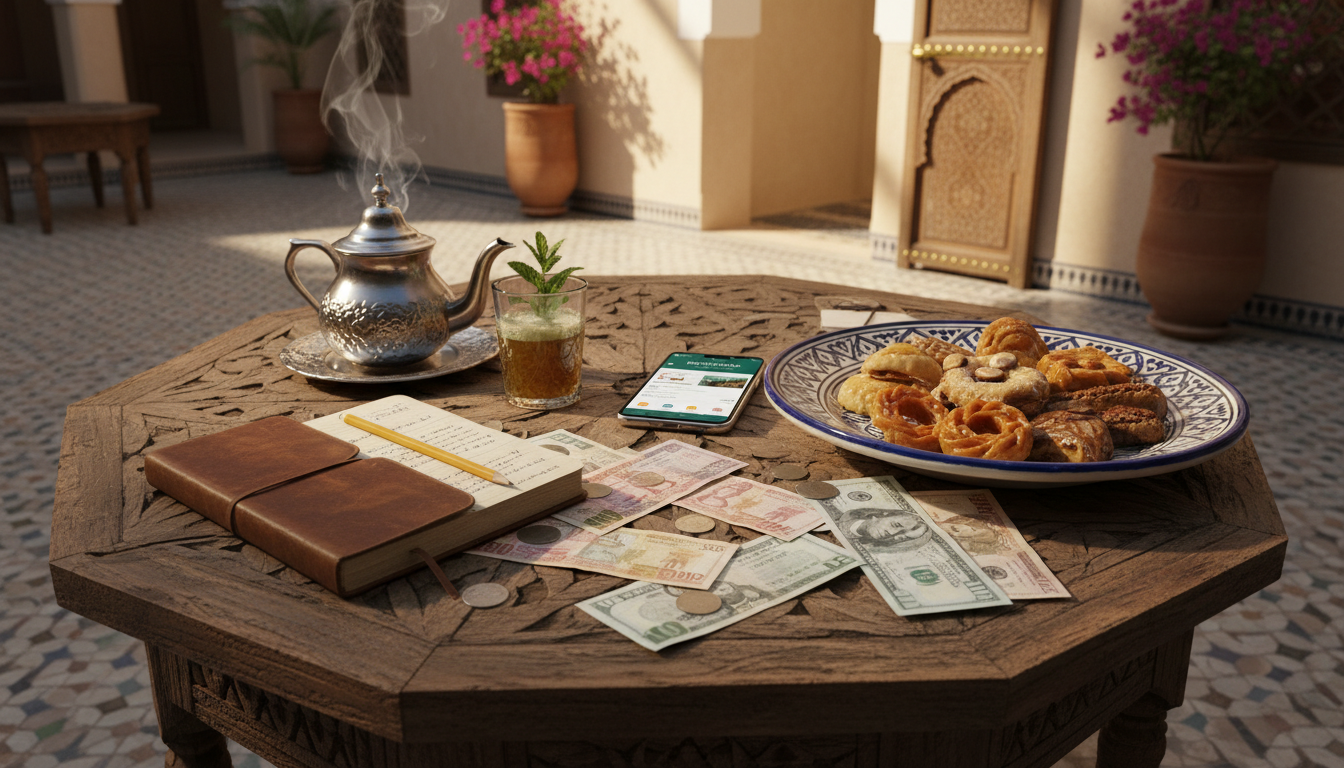
The Increasing Appeal of the Kingdom and Entry Formalities
Morocco continues to assert itself as a leading destination in North Africa, captivating with the richness of its landscapes, its ancient medinas, and its vibrant culture. Recent data confirms this momentum: the Morocco tourism sector recorded remarkable performance, with 17.4 million visitors in 2024, marking a 20% growth compared to the previous year. For those considering discovering this destination in 2026, a rigorous travel planning starts with understanding the administrative requirements.
Regarding Morocco visas, the Kingdom’s open-door policy greatly facilitates access for many nationalities. More than 70 countries, including the United States, Canada, Australia, New Zealand, as well as members of the European Union and the United Kingdom, benefit from a visa exemption. Nationals of these countries can stay on the territory for up to 90 days with just the presentation of a passport valid for at least six months after the date of entry.

For travelers not benefiting from this exemption, the electronic visa system (eVisa) has modernized procedures. This system allows management of the entire application online, without the need for consular travel, with rapid processing in a few days. In a context where the digitization of services is accelerating, as seen with initiatives around the digital visa and innovation in Morocco, it is recommended to anticipate these procedures at least two weeks before departure, especially during high season, to avoid any administrative inconvenience.
Analyzing and Structuring the Travel Budget According to Profiles
One of the major assets of the destination lies in the financial flexibility it offers. The travel budget can be adapted to all wallets, from the budget backpacker to the traveler seeking exclusivity. Unlike the often high costs observed in Europe or North America, the local purchasing power allows optimizing expenses while ensuring a quality experience.
Budget Options and Mid-Range Comfort 💰
For travelers monitoring their expenses, it is entirely possible to enjoy the stay with a daily budget between 30 and 60 dollars. This envelope covers accommodation in simple hostels or guesthouses, dining through tasty street food (between 3 and 8 dollars per meal), as well as public transportation. Intercity travel by bus or train remains very affordable, generally ranging from 8 to 20 dollars.
The mid-range segment, which concerns the majority of visitors wishing to travel to Morocco, requires a daily budget of 60 to 150 dollars. This level of expenditure opens the doors to charming riads (25 to 80 dollars per night) and allows frequenting more established restaurants. It is often in this range that one finds the best value for money to explore historical alleys, following, for example, well-informed recommendations to navigate the streets of Marrakech and its practical tips.
The Luxury Segment and Exclusive Experiences ✨
Morocco also positions itself as a top choice for luxury tourism, often more accessible than elsewhere. With a budget above 200 dollars per day, travelers have access to five-star riads (150 to 300 dollars per night), private desert camps, and tailor-made services. The customer experience in this segment is distinguished by stunning architecture and impeccable service.
| Traveler Profile 🎒 | Estimated Daily Budget 💳 | Type of Accommodation 🏨 | Dining & Transport 🍽️ |
|---|---|---|---|
| Budget | 30 $ – 60 $ | Simple Hostels, Guesthouses | Street food, Public Bus/Train |
| Comfort (Mid-Range) | 60 $ – 150 $ | Charming Riads, 3-star Hotels | Local Restaurants, Taxis, Shared Tours |
| Luxury | 200 $ and up | 5-star Riads, Private Camps, Palaces | Fine Dining, Private Driver, Exclusive Guides |
Identifying the Best Seasons to Maximize the Experience
The choice of period is crucial to succeed in your travel preparation. The Moroccan climate, although generally mild, shows significant regional and seasonal disparities that directly influence comfort and the cost of the stay. Understanding these cycles helps avoid heat waves or tourist crowds.
Spring and Autumn: The Perfect Balance 🌸🍂
The best seasons to visit the Kingdom are undoubtedly spring (March to May) and autumn (September to November). During these months, temperatures pleasantly range between 15°C and 25°C (60°F – 77°F), offering ideal conditions for hiking in the Atlas or exploring imperial cities. The spring landscape is particularly lush, while autumn often coincides with the date harvest in the oases.
These periods correspond to the high tourist season. Therefore, anticipation is key: accommodation bookings must be made several weeks in advance, as the most popular Morocco destinations quickly become fully booked and rates tend to increase.
Summer and Winter: Contrasts to Exploit ☀️❄️
Summer (June to August) brings very high temperatures, often exceeding 38°C (100°F) in Marrakech or Fez. However, it is the preferred time to head to the Atlantic coasts like Essaouira or Tangier, refreshed by ocean breezes. Winter, on the other hand, is often underestimated. While nights can be cold, especially in the desert, days remain mild and sunny. It is a strategic period for bargain hunters, as hotel prices can drop by 20 to 30%.
Practical Advice and Logistics for 2026
Beyond budget and climate, some operational travel tips help streamline the stay. The country’s geographical diversity implies a certain flexibility in organization. It is crucial to adapt your wardrobe by planning layers of clothes to cope with thermal variations between day and night.
- 🗓️ Early Booking: For trips in April, May, September, and October, lock in your accommodations 3 to 4 weeks before departure.
- 👟 Proper Gear: Comfortable walking shoes are essential for the uneven floors of the medinas.
- ☔ Weather Flexibility: Plan B options (museums, covered souks) for the rare rainy days, especially during transition seasons.
- 🗺️ Off the Beaten Path: Dare to include cities like Meknes or Taroudant for a more authentic experience.
Good management of these logistical elements transforms a simple stay into a true immersion. Whether for a week focused on the must-sees or a three-week trek through different regions, Morocco offers a cultural and economic depth that rewards well-prepared travelers.
What is the average budget for a 10-day trip to Morocco?
For a mid-range comfort stay (3-star hotels or riads, restaurant meals, and train/bus travel), expect around 1,000 to 1,500 dollars per person, excluding international flights.
Is it necessary to apply for a visa for a tourist stay?
It depends on your nationality. Citizens of the EU, the United States, Canada, and many other countries are exempt from visas for tourist stays less than 90 days. Check the validity of your passport.
What is the best time to visit the Sahara Desert?
The best periods are spring (March-April) and autumn (October-November). Summer is excessively hot, and winter nights can be freezing.
Can everything be paid by credit card in Morocco?
Although card usage is becoming more widespread in large establishments and modern cities, cash (Moroccan Dirham) remains essential for small shops, taxis, and rural areas.

No responses yet