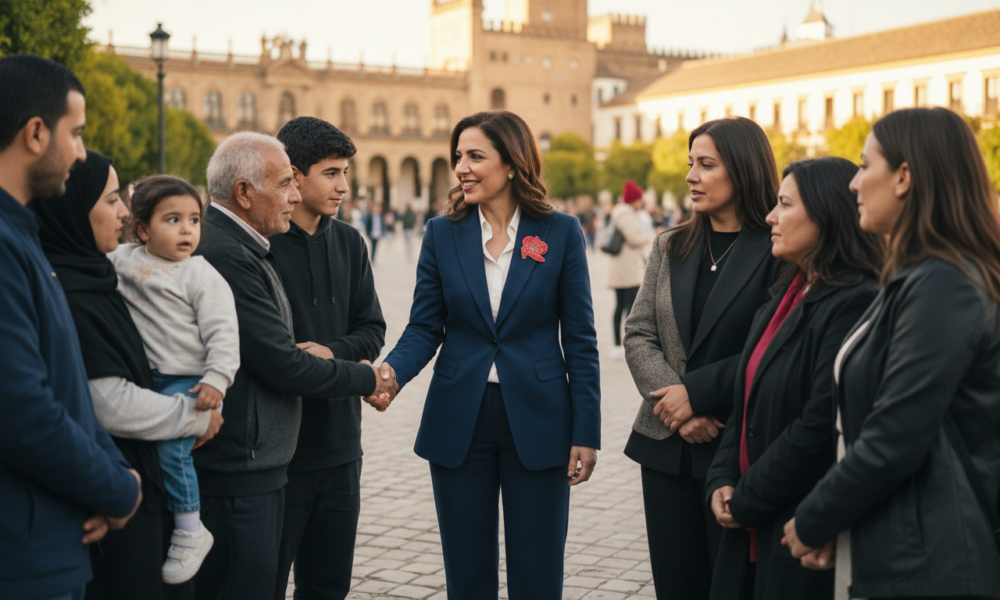
The relationship between Rabat and Madrid is going through a decisive phase where human security takes precedence over mere commercial exchanges. Faced with the rise of xenophobic acts reported in certain Iberian regions, the Kingdom is deploying an unprecedented diplomatic and consular framework. This mobilization aims to guarantee the dignity of the diaspora, a true economic and cultural lifeline, while maintaining firm dialogue with the Spanish authorities.
A “Zero Tolerance” strategy against xenophobia
The Ministry of Foreign Affairs recently clarified its position: no violation of the moral or physical integrity of Moroccan citizens will be ignored. This new diplomatic doctrine is based on immediate responsiveness. As soon as an incident is reported, whether it is a verbal or physical assault, consulates are instructed to activate crisis units. It is no longer just about observing, but about legally supporting victims to ensure justice is served.
This proactive stance is explained by the strategic importance of the Moroccan community in Spain. Whether engineers, workers in the agricultural sector or entrepreneurs, these nationals actively participate in the economy of both shores. The fight against discrimination thus becomes an imperative to secure these essential human and financial flows for national development. Morocco reminds that the protection of its citizens is a red line, regardless of their residence status.
The economic and symbolic weight of the diaspora
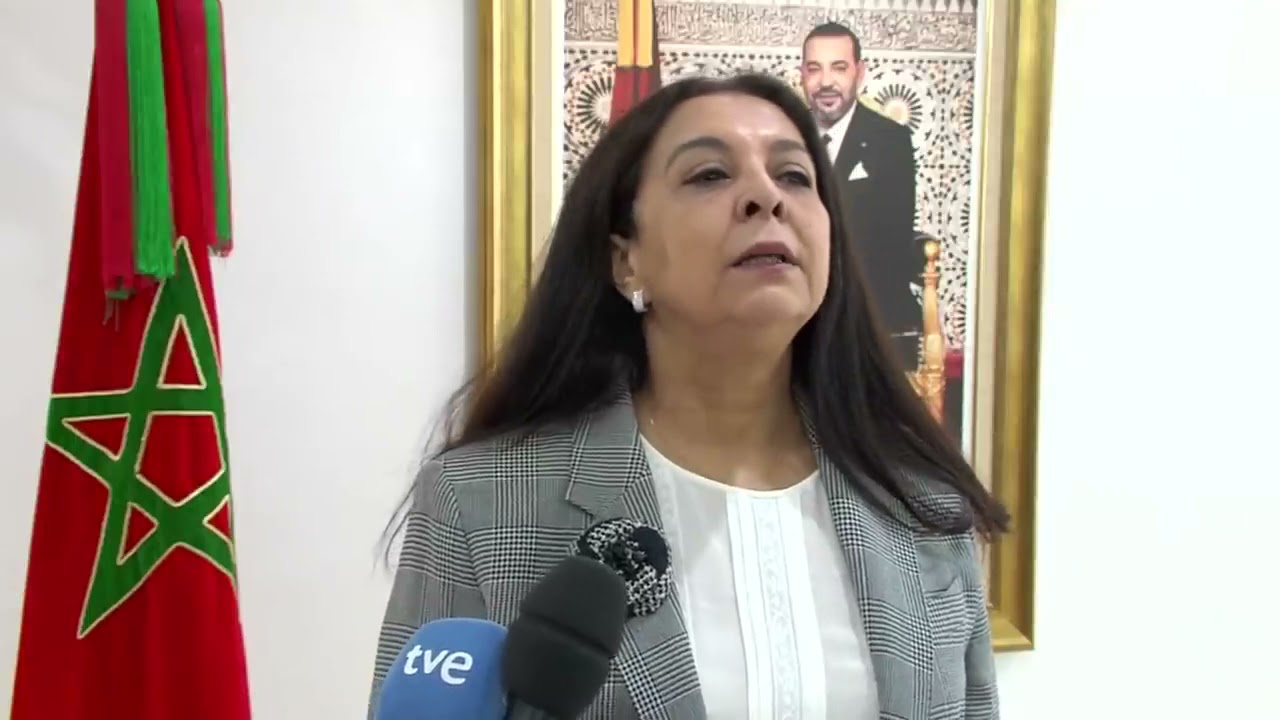
Beyond the security aspect, it is the image and contribution of the diaspora that are defended. Moroccans in Spain are not just residents; they are key actors in co-development. Emblematic figures, such as the young talent of FC Barcelona, perfectly illustrate this successful integration that disturbs certain extremist fringes. Protecting these talents and workers is also preserving Moroccan “Soft Power” internationally.
The rise of racism endangers this dynamic. The insecurity felt by families may slow investments towards Morocco or complicate the transfer of skills. That is why Rabat insists on respect for human rights as the foundation of all bilateral cooperation. A worried workforce is a less productive workforce, and social instability in Spain has direct repercussions on opportunities related to the national labor market.
Concrete actions and defense mechanisms
To better understand the articulation of this response, here is a comparison of the actions taken by the different involved entities:
| Entity 🏢 | Type of action 🛡️ | Objective 🎯 |
|---|---|---|
| Moroccan Consulates | Legal assistance and media monitoring | Immediate support to victims and reporting |
| Ministry of Foreign Affairs (Rabat) | Political dialogue and summons | Diplomatic pressure for swift investigations |
| MRE Associations | Psychological support and mobilization | Creation of a local solidarity network |
| Spanish Authorities | Joint police investigations | Maintenance of order and bilateral cooperation |
Modernization of consular services and accessibility
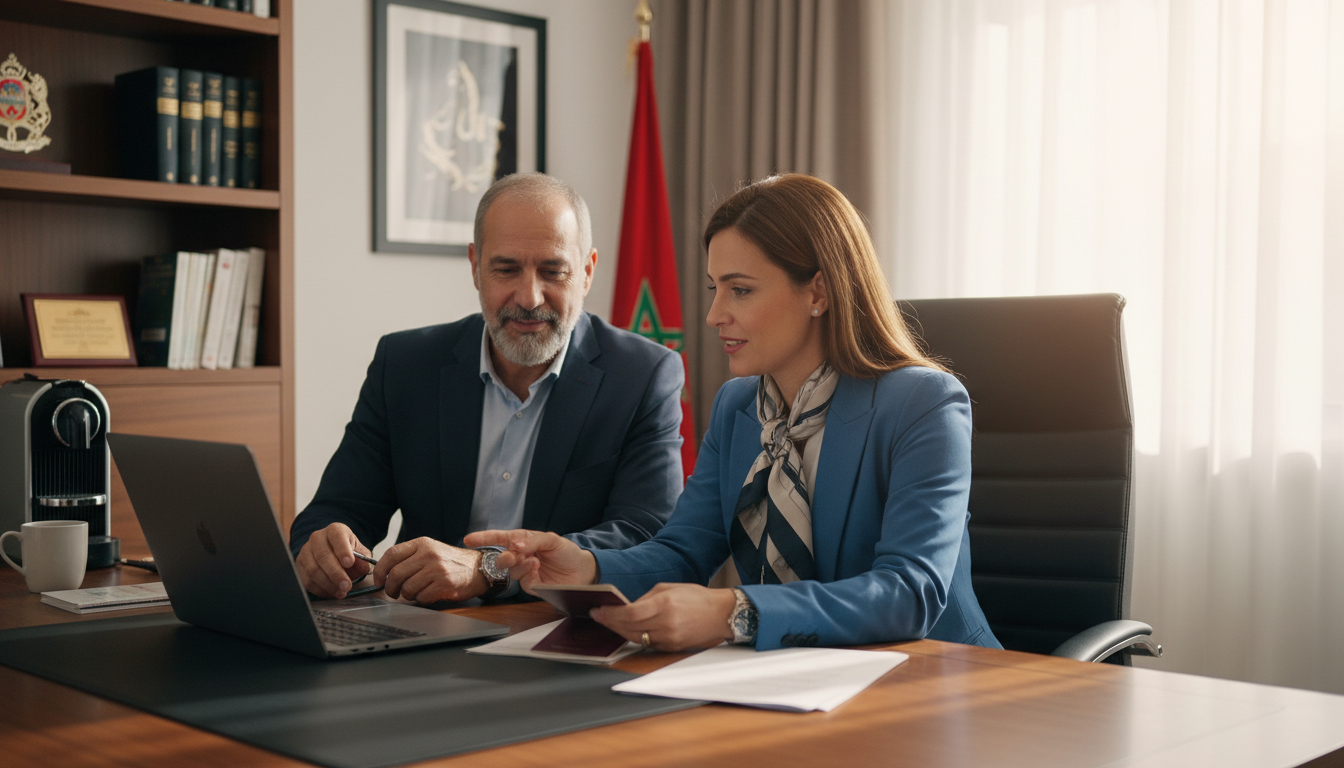
To face these challenges, the Moroccan administration had to accelerate its transformation. Consular protection is no longer limited to issuing passports; it now encompasses advanced social and legal assistance. This evolution is part of a broader logic of digitalization of administrative services, allowing nationals to report abuses or request help more quickly via dedicated digital platforms.
The goal is to reduce the distance between the administration and the citizen. In case of a racist incident, the speed of response is crucial to collect evidence and avoid impunity. This modernization draws inspiration from best practices observed in the international diplomatic network, where crisis management has become a core skill. Morocco thus ensures that its nationals never feel isolated in the face of adversity.
Reflexes to adopt in case of assault
Security is a shared responsibility. If institutions watch over it, citizens must also know the procedures to activate this protection. Here are the steps recommended by legal and consular experts:
- 🚨 Contact local authorities: Filing an official complaint with the Spanish police (Guardia Civil or Policía Nacional) is the first essential step to leave a legal trace.
- 📞 Alert the consulate: Immediately inform the closest Moroccan diplomatic representation to benefit from follow-up and guidance towards contracted lawyers.
- 📸 Collect evidence: Photos, videos, testimonies, or medical certificates are essential to build a strong file before the courts.
- 🤝 Seek associative networks: Reach out to Moroccan associations in Spain to obtain moral support and benefit from collective strength.
- 🚫 Avoid direct confrontation: Prefer the legal route so as not to compromise your administrative or personal situation.
Morocco’s commitment to its community in Spain is unequivocal. By combining diplomatic firmness, legal support, and modernization of contact tools, the Kingdom sends a strong message: respect for Moroccans is non-negotiable. This protection policy strengthens the sense of belonging and ensures that, even far from the motherland, national solidarity remains an effective shield.
{“@context”:”https://schema.org”,”@type”:”FAQPage”,”mainEntity”:[{“@type”:”Question”,”name”:”How does the consulate concretely help a victim of racism?”,”acceptedAnswer”:{“@type”:”Answer”,”text”:”The consulate offers legal guidance, facilitates contacts with specialized lawyers, and ensures follow-up of the file with Spanish authorities to guarantee that the complaint is handled seriously.”}},{“@type”:”Question”,”name”:”Do these tensions affect employment opportunities for Moroccans in Spain?”,”acceptedAnswer”:{“@type”:”Answer”,”text”:”Although isolated incidents exist, the demand for Moroccan labor remains strong, especially in agriculture and services. Economic cooperation between the two countries remains solid despite these social challenges.”}},{“@type”:”Question”,”name”:”Is there an emergency number for Moroccans in Spain?”,”acceptedAnswer”:{“@type”:”Answer”,”text”:”Yes, each consulate has an emergency number accessible outside office hours for extreme emergencies, including severe assaults or arbitrary arrests.”}}]}How does the consulate concretely help a victim of racism?
The consulate offers legal guidance, facilitates contacts with specialized lawyers, and ensures follow-up of the file with Spanish authorities to guarantee that the complaint is handled seriously.
Do these tensions affect employment opportunities for Moroccans in Spain?
Although isolated incidents exist, the demand for Moroccan labor remains strong, especially in agriculture and services. Economic cooperation between the two countries remains solid despite these social challenges.
Is there an emergency number for Moroccans in Spain?
Yes, each consulate has an emergency number accessible outside office hours for extreme emergencies, including severe assaults or arbitrary arrests.

Comments are closed