
As the Kingdom prepares to host major sporting events, including the Africa Cup of Nations and the preparation for the 2030 World Cup, a shadow hangs over these celebrations. Morocco is now at the center of intense controversies regarding the treatment of participants in the « Gen Z 212 » movement. These young people, born in the digital age, have taken to the streets to express their distress over the shortcomings of the health and education systems, triggering a wave of repression deemed disproportionate by international observers and NGOs.
Generation Z facing accusations of abuse in detention
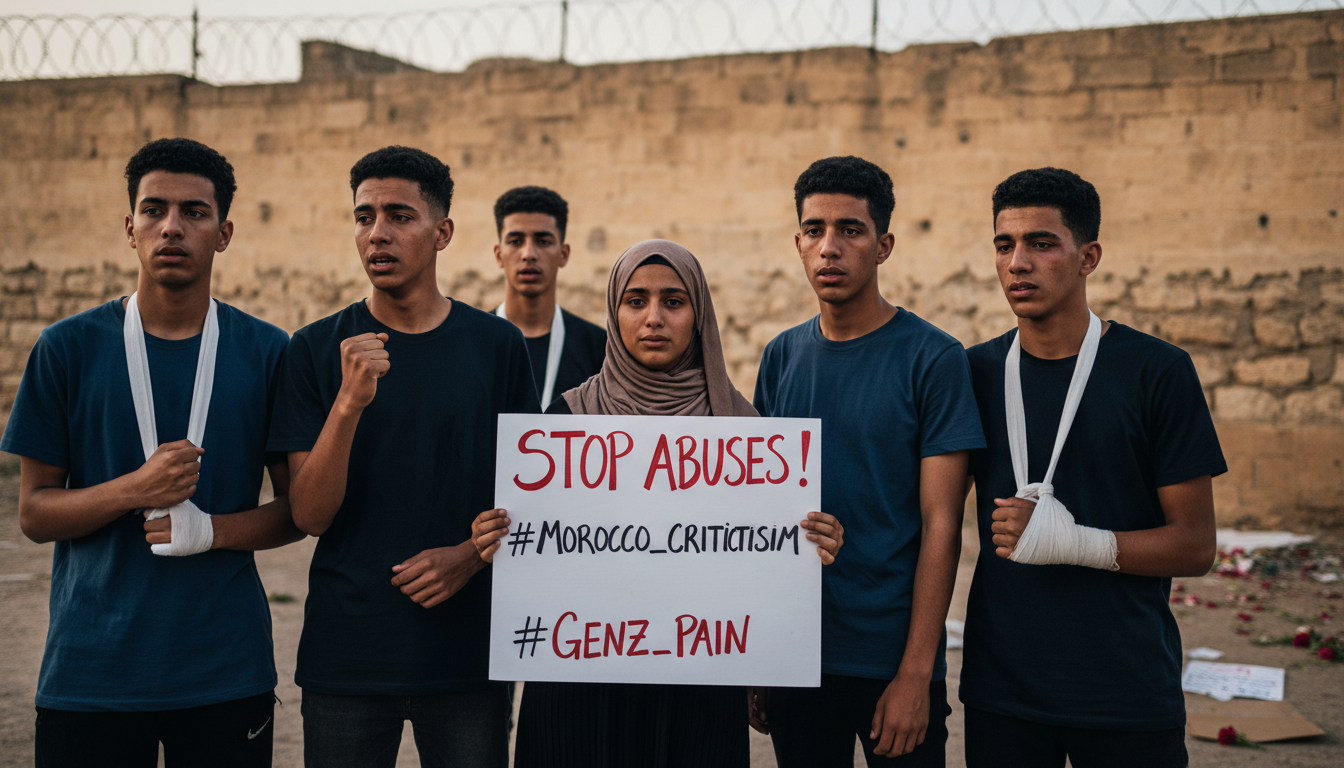
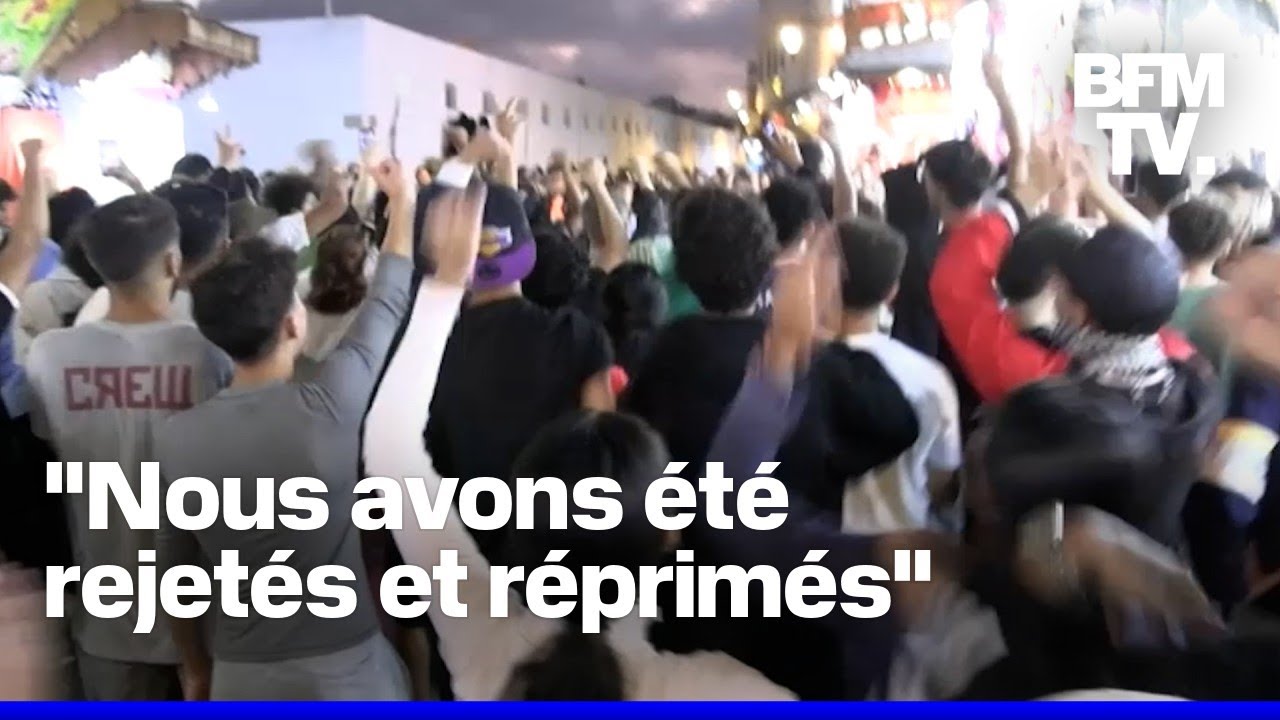
The movement, named after the country’s telephone code, mobilized youth on a scale rarely seen since 2011. However, the security response has sparked outrage. Reports speak of thousands of arbitrary arrests, sometimes targeting individuals who were not even participating in the gatherings. Testimonies collected describe particularly harrowing scenes of detention, where fundamental rights appear to have been suspended.
According to associative sources, many young people were deprived of water and food for long hours. More worryingly, accounts of physical violence circulate, mentioning broken teeth and marks from blows visible several weeks after the incidents. These allegations of physical abuse, described as « horrible » by families and activists, tarnish the image of modernity the country tries to project, notably through the evolution of its professional environment and 2025 trends.
A crisis of trust and reported human rights violations
The situation of detained women and minors raises particular concern. Activists reported having suffered sexist insults and inappropriate gestures during their detention. The Moroccan Association for Human Rights (AMDH) points to a trivialization of these practices, which contravene the international conventions ratified by the Kingdom. The peaceful protest turned for some into a judicial nightmare, marked by the absence of lawyers during the initial hearings and expedited trials.
The human toll has worsened with tragic incidents, notably in Lqliâa, near Agadir, where clashes led to loss of life and many injuries, including children. This escalation of violence raises questions about the training of law enforcement and respect for legal procedures, a subject as crucial as adapting the Moroccan legal culture to new societal challenges.
The impact on international image and investments
This wave of criticism comes at a strategic moment for the national economy. As the country multiplies gigantic infrastructure projects, such as the development of the FSRU terminal for 2027 or investments in the water sector, social stability remains a determining factor for foreign investors. The management of this internal crisis is closely scrutinized by Western chancelleries, as evidenced by regular exchanges with the German Embassy in Morocco and other diplomatic partners.
The authorities justify these interventions by the need to maintain public order in the face of what they describe as unauthorized disruptions. However, for economic observers, the risk is that these persistent criticisms regarding human rights violations overshadow real economic progress. The feeling of injustice felt by a portion of the population, exacerbated by recent natural disasters such as floods in Safi, fuels a climate of mistrust. Citizens sometimes reproach the government for prioritizing prestige projects at the expense of basic services.
Here is an overview of the main demands and consequences observed during these events:
| Victim Category 🛑 | Reported Violations ⚠️ | Judicial Consequences ⚖️ |
|---|---|---|
| Generation Z Protesters | Beatings, deprivation of food, forced confessions | Prison sentences up to 15 years, summary cases |
| Detained Women | Verbal harassment, sexist insults, inappropriate touching | Psychological trauma, fear of filing complaints |
| Minors (from 12 years old) | Arbitrary arrests, gunshot injuries | Detention in juvenile centers, interrupted schooling |
Between repression and promises of reforms
Under pressure, the government reiterated its commitment to social reforms, promising to increase budgets allocated to health and education. However, the gap widens between official announcements and the reality experienced by the protesters. Fear of retaliation discourages many young people from returning to the streets, creating a precarious calm. This situation recalls the complex regional tensions, although distinct, such as the latent diplomatic conflict that sometimes influences the security reading of domestic events.
The victims’ families are now demanding justice and transparency. The alleged deletion of digital evidence by law enforcement, reported by relatives of victims in Rabat, fuels suspicions of opacity. To restore trust, it is imperative that accountability mechanisms function fully, ensuring that the law is applied fairly to all, far from any form of arbitrariness.
- 📢 Immediate release of opinion detainees who have committed no violence.
- 🏥 Access to care and independent medical expertise for victims of police violence.
- ⚖️ Guarantee of a fair trial with the systematic presence of lawyers from the first hour.
- 🔍 Transparent investigations into allegations of torture and ill-treatment.

What is the Gen Z 212 movement in Morocco?
It is a protest movement led by Moroccan youth (Generation Z), using the country’s telephone code (212) as a symbol. They mainly protest to demand better conditions in the health, education, and employment sectors.
What are the accusations against the law enforcement authorities?
Law enforcement authorities are accused by several NGOs and witnesses of conducting arbitrary arrests, inflicting physical and psychological mistreatment on detainees, and using excessive force during protest dispersals.
What is the impact of these events on the organization of the Africa Cup of Nations and the 2030 World Cup?
Although logistical preparations are progressing, these events tarnish Morocco’s international image. Criticism regarding respect for human rights could increase diplomatic and media pressure on the Kingdom ahead of these major sporting deadlines.
How has the Moroccan government responded to the criticisms?
The government has officially denied accusations of systematic torture, affirming that legal procedures are respected. At the same time, it announced an increase in social budgets to try to respond to the protesters’ core demands.

Comments are closed