
Morocco–Europe Tunnel through the Strait of Gibraltar: Feasibility Validated and Budget Cap at 8.5 Billion Euros on the Spanish Side
The scientific validation by Herrenknecht of a rail tunnel between Morocco and Europe turns a centuries-old idea into a concrete industrial program. Commissioned by the Spanish public entity SECEGSA and shared with the Moroccan side (SNED), the study concludes the technical feasibility of a structure estimated at approximately 8.5 billion euros for the Spanish portion. The link would aim for about 65 km, including nearly 40 km under Iberian responsibility, crossing the extreme geological conditions of the Camarinal threshold. The route on the Spanish side would anchor near Vejer de la Frontera, with integration into the General Interest Rail Network (RFIG) via the Cádiz–Seville line, under the coordination of ADIF and in technical interface with ONCF for standards and interconnections.
The anticipated operational schedule is based on an initial phase including a pilot tunnel (or exploratory tunnel) lasting six to nine years. Spanish authorities plan to “lay the groundwork” for a call for tenders beyond June 2026, before a joint decision expected in 2027 to initiate exploration. The first visible milestones could coincide with 2030, then major stages between 2035 and 2040 depending on geotechnical and financial requirements. To capitalize on best practices, SECEGSA–SNED delegations consulted teams from the Norwegian Rogfast project, a world reference for long-distance immersed tunnels, while seismic and bathymetric surveys are conducted with the support of the United States Geological Survey.
From an industrial standpoint, the dual twin-tube approach for the final tunnel is favored to enhance safety, maintenance, and operational continuity. The ambition is not only technical. It articulates a vision of Euro-African connectivity where the Tangier–Algeciras axis would become a complementary backbone to the maritime flows of Tanger Med. Moroccan engineering, driven by local actors and consulting firms involved in urban planning and civil engineering, will play a central role in geological sampling, territorial planning, and environmental monitoring. In this regard, Moroccan experience in planned development sheds light on connection challenges, as recalled in this content on the role of engineering in urban planning.
Key Feasibility Points
- 🔧 Herrenknecht study validating the capacity of current tunnel boring machines to cross the Camarinal threshold.
- 🧭 Pilot tunnel before the final construction to finely map risks.
- 🚄 ONCF–ADIF–Renfe interface for loading gauge, signaling, and energy towards integrated rail operations.
- 🌍 Structured cross-border cooperation via SECEGSA and SNED, reinforced by external expertise (USGS, Scandinavian references).
- 📅 Decision milestone in 2027 and gradual commissioning trajectory over the following decade.
| 🗓️ Key Milestones | 🎯 Objectives | 🏗️ Anticipated Actors | ✅ Status/Signal |
|---|---|---|---|
| June 2026 | Update of 2007 preliminary project and call for tenders base | SECEGSA, SNED, ADIF, ONCF | In preparation 📌 |
| 2027 | Joint decision on the exploratory tunnel | Governments ES/MA, engineering firms | Decision expected 🧩 |
| 2030 | First visible progress on site | Construction consortiums | High hypothesis 🚀 |
| 2035–2040 | Major completion stages | Rail operators, regulators | Realistic window 🔎 |
Managing complexity relies on rigorous governance, iterative engineering, and cross-border industrial synergies. The founding idea is simple: treat the tunnel as a complete economic corridor, not just an engineering structure.
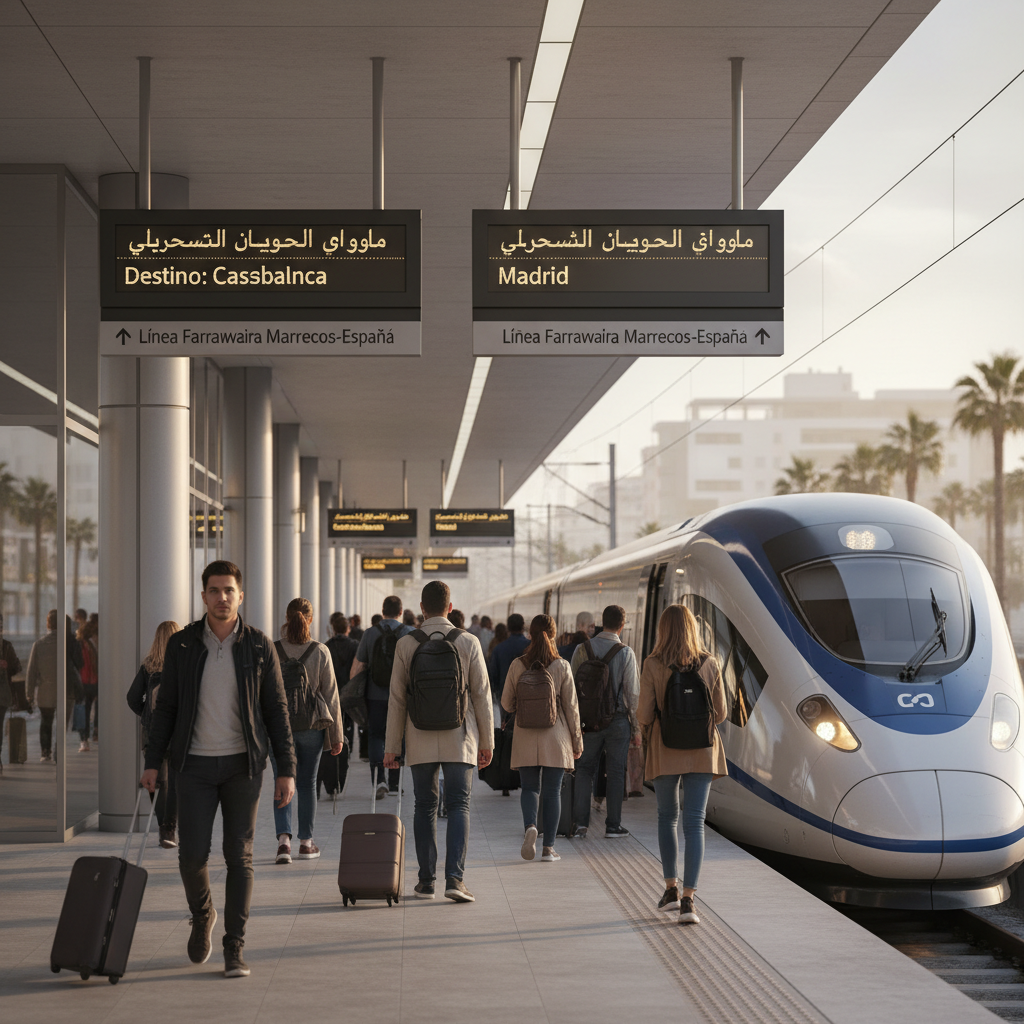
Employment and Skills in Morocco: An Accelerator for Engineering, Industry, and Logistics
The hypothesis of a progressive start opens a significant window of opportunities for the Moroccan labor market. Needs cover civil engineering, geology, electromechanics, railway cybersecurity, and critical systems maintenance. Profiles of tunnel boring machine operators, ventilation specialists, fire safety systems experts, and seismic risk managers will be sought, with skill advancement aligned with European standards.
On the ground, the dynamics of value chains involve contractors and equipment suppliers. Railway integrators such as Alstom and CAF could contribute to signaling and rolling stock, while ONCF would work on interoperability with Renfe and infrastructure coordination with ADIF. In construction, international groups such as Sacyr, Ferrovial, ACS Group, Vinci Construction, and Bouygues Travaux Publics would be natural candidates, alongside Moroccan companies specialized in structural work, energy, and instrumentation.
Beyond the construction sites, the ripple effect will concern low-carbon materials, aggregates, and next-generation cementing. Innovations described in this dossier on low-footprint materials and solutions show how to reduce the carbon intensity of concrete and adapt formulations to deep saline environments. HR policies will need to follow, with finer sourcing, job assessments, and management of interregional mobility.
In-Demand Profiles and Recruitment Organization
- 🧑🏫 Training in geotechnics, surveying, GIS, and seismic monitoring for exploration phases.
- 🛠️ Tunnel boring machine operation, predictive maintenance, HVAC systems, safety and rescue jobs.
- 🧪 Materials engineers, quality controllers, lab technicians, and marine corrosion specialists.
- 🖥️ Cybersecurity experts and ERTMS railway signaling for ONCF–Renfe interoperability.
- 🤝 HR officers and talent acquisition equipped with data-driven processes.
To structure the hiring effort, professionalizing recruitment practices will be decisive. The guidelines presented here on optimizing hires help frame skills definition, selection, and integration of technical profiles. Candidates, both recent graduates and experienced professionals, could consider multi-year paths alternating site work, laboratory, and operation.
| 👷 Jobs | 🎓 Key Skills | 📈 Estimated Need | 🔁 Horizon |
|---|---|---|---|
| Tunnel Boring Machine Operator | Heavy mechanics, safety, TBM piloting | High 🔺 | Exploration phase → construction |
| Geotechnical Engineer | Modeling, instrumentation, risks | Medium to high 📊 | Studies → ongoing monitoring |
| Signaling Technician | ERTMS, telecom, redundancy | Medium ⚙️ | Pre-operation → operation |
| Materials Quality Controller | Standards, marine tests, durability | Medium 🧪 | Construction → maintenance |
A case study illustrates the topic: “Samira”, an engineer in Tangier, moves from quality control on prefabricated voussoirs to coordinating marine laboratory tests, before joining the “asset management” unit in operation. This type of vertical and lateral mobility will become common.
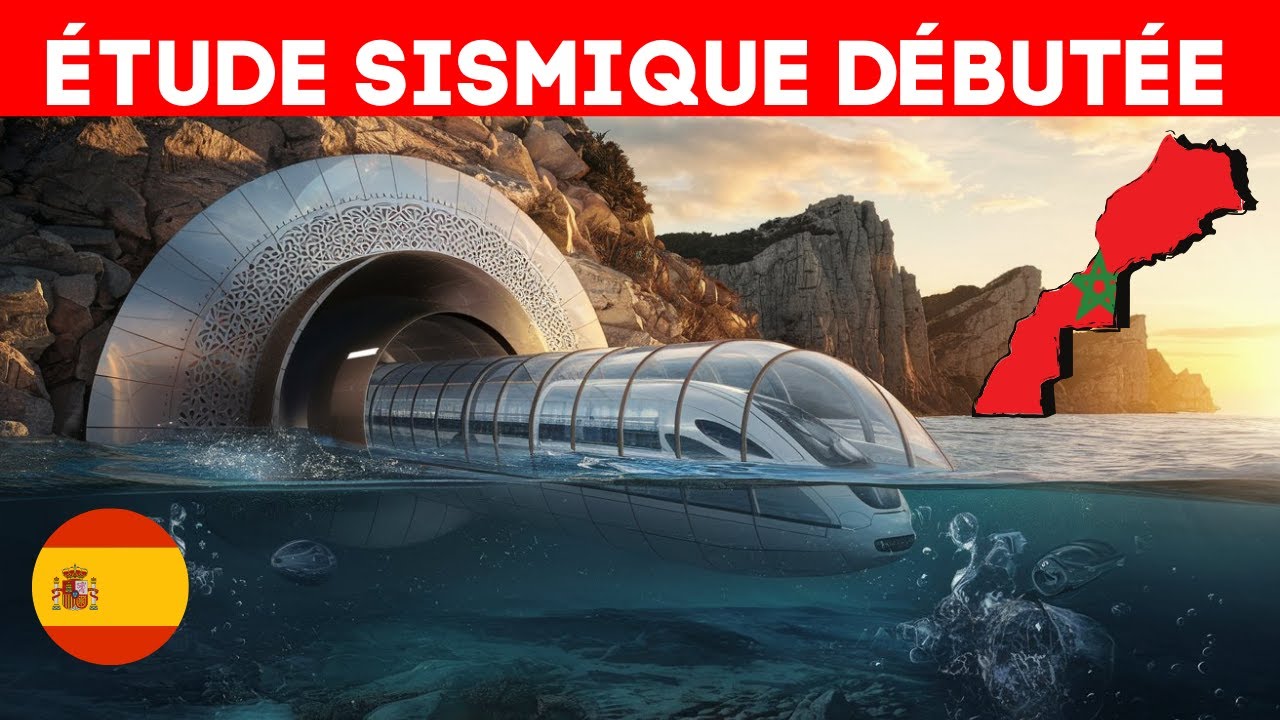
The key to local employment lies in structuring ecosystems of skills and subcontracting, built around a security framework and international requirements. At the national level, alignment between operational needs and continuous training will give Morocco a lasting advantage in maintenance and operation.
Mobility, Freight, and Tourism: How the Fixed Link Reshuffles ONCF–Renfe and Euro-African Exchanges
The tunnel’s value depends on its usage. For passengers, the ONCF–Renfe connection, supported by ADIF for infrastructure and industries like Alstom and CAF for rolling stock, must ensure smooth connections between Tangier, Rabat, Casablanca and Seville, Madrid, Lisbon. For freight, rail-to-rail continuity will offer an alternative to road and sea flows, complementary to Tanger Med’s capacities, with benefits in time and carbon footprint.
Two parameters will make the difference: daily capacity and reliability. Mixed passenger/freight slots can be calibrated according to demand, maintenance windows, and peak periods. Cultural and business tourism will benefit from direct routes, as will university and sports exchanges, ahead of major events. For cross-border travel, administrative procedures also count. This guide on visa services in Rabat reminds that document flow conditions travel experience.
Typical Uses of the Rail Corridor
- 🚆 High-capacity passenger shuttles between Tangier–Rabat–Casablanca and Andalusia–Madrid.
- 📦 Refrigerated freight flows for agri-food, with real-time tracking.
- 🏢 Business trips and conferences, connected to urban hubs.
- ⚽ Event-related travel and enhanced tourist seasons.
- 🎒 Student and Euro-African academic mobility.
| 🚉 Flows | 🕒 Target Frequency | 📍 Anticipated Terminals | 🔌 Interoperability |
|---|---|---|---|
| Intercity passengers | 15–30 min peak | Vejer, Algeciras/Tarifa, Tangier | ONCF–Renfe / ADIF ⚡ |
| Express freight | Night schedule | Logistics platforms | Compatible gauges 🚛 |
| Tourism | Seasonal reinforcement | Urban hubs | Integrated ticketing 🎫 |
The management of technical facilities, power supply, and signaling must be co-designed to avoid bottlenecks. Compatible rolling stock scenarios, including multi-voltage trains and evacuation standards, will be essential. In parallel, passenger information, pricing, and accessibility tools will enhance the link’s attractiveness.
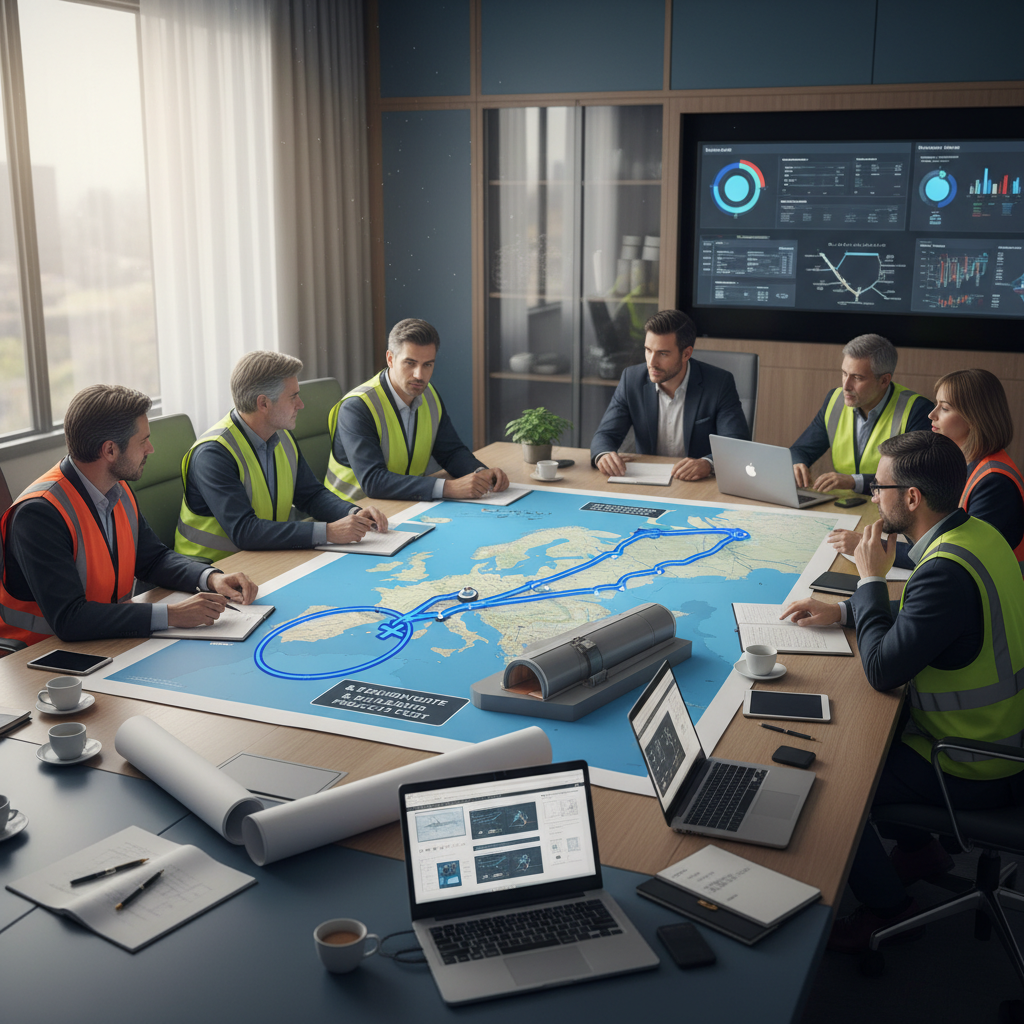
The overall benefit is measured in saved minutes, regularity, and route simplicity. This alchemy will determine traveler and logistician preferences between sea, road, and rail.
Financing, Concessions, and Governance: Models Inspired by Eurotunnel and High-Speed Lines
The economic setup of the tunnel will determine its execution speed and sustainability. The Spanish Ministry of Transport has commissioned Ineco for a profitability model integrating railway fees, logistics services, electric interconnection, and fiber optics. Schemes such as PPP, operating concessions, and sovereign co-investments are under study, modeled on references like Eurotunnel or the Figueras–Perpignan line.
Anticipated consortiums could combine builders and operators. Sacyr, Ferrovial, ACS Group, Vinci Construction, and Bouygues Travaux Publics have a track record in large projects, from design to maintenance. The interface with ADIF and ONCF would secure regulatory frameworks, track access, and service levels. The plan’s credibility rests on finely allocating risks (geotechnical, schedule, demand, financing, operations).
Value Creation Levers and Risk Sharing
- 💡 Multiple revenue streams: railway tolls, logistics services, energy, data (fiber).
- 🛡️ Risk distribution: ground, delays, capex, opex, rates, and demand.
- 📊 Performance indicators: availability, punctuality, safety, carbon footprint.
- 🔁 Refinancing options after commissioning, based on actual volumes.
- 🤝 Cross-border governance backed by regulators and independent audits.
| 🏛️ Model | 💶 Private Capex | ⚖️ Demand Risk | 📉 Cost of Capital |
|---|---|---|---|
| Classic concession | High 💼 | Shared | Medium to high |
| PPP availability | Medium | Public | Moderate 🧮 |
| Binational company | Mixed | Mutualized | Variable |
Financial sustainability requires credible volumes, cautious ramp-up, and long-term contracts with operators and shippers. European experiences show that contractual clarity and aligned incentives are decisive to avoid cost overruns and secure operational continuity.
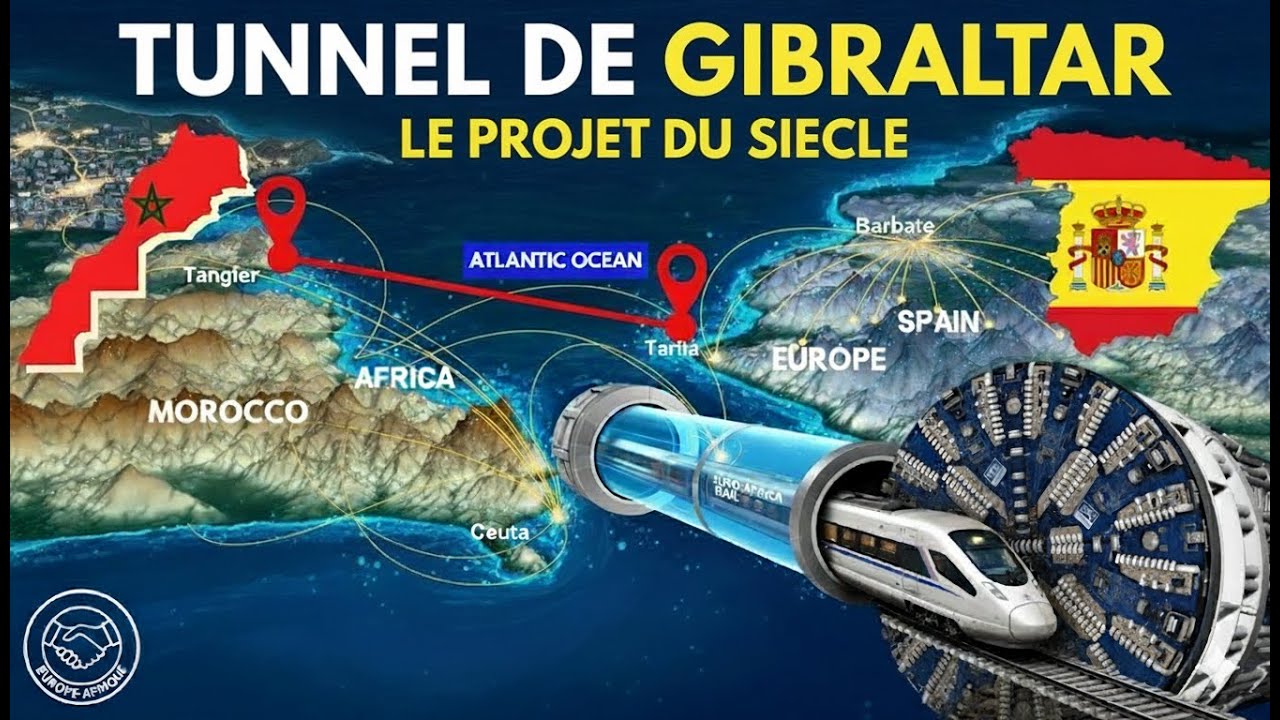
Governance discipline, combined with risk transparency and a robust environmental roadmap, will be the best guarantee of confidence for investors and the public.
Environment, Safety, and Quality of Work Life: A Sustainable and Human Corridor
An underwater tunnel demands high environmental and safety standards. Seismic studies conducted with the support of USGS inform the design of lining, joints, ventilation, and evacuation. Durable materials and innovative processes, including low-carbon cements and concretes, resonate in these industrial innovations. The goal is to minimize footprint, protect biodiversity, and limit nuisances during construction and operation.
Quality of work life matters as much as technical aspects. Team rotations, well-being, and consideration of cultural rhythms enhance site attractiveness. Site managers are already planning rest areas, health services, and arrangements respecting local practices. Daily time markers, such as religious schedules, can be integrated into the organization, as exemplified by useful information like prayer times consulted by employees in the region.
Sustainability Measures and Territorial Anchoring
- 🌱 Carbon reduction: optimized materials, low-carbon energy, smart logistics.
- 🐟 Respect for environments: fauna/flora monitoring, turbidity, underwater acoustics.
- 🧯 Safety: system redundancy, multi-agency drills, “no compromise” culture.
- 🏘️ Territories: local training, sustainable jobs, post-construction reconversion.
- 🧭 Transparency: public reporting, open data, independent audits.
| ♻️ Axis | 🎯 Indicator | 🧪 Method | 📎 Monitoring |
|---|---|---|---|
| Carbon | tCO2e/M€ invested | Life cycle analysis | Biannual report 📘 |
| Biodiversity | Integrity index | Bio-monitoring | Local roundtable 🐚 |
| Safety | Accidents/Mh | Training + audits | Joint committee 🛡️ |
| Social | Local employment rate | Contracts & clauses | Regional observatory 👥 |
Development stakeholders ensure landscape integration and multimodal access for residents. Positive spillovers will be sustainable if the project’s footprint results in skills, jobs, and services that last after completion.
Value Chains, Cross Investments, and Opportunities for Moroccan Companies
The tunnel creates an economic corridor where Moroccan companies can win contracts in civil engineering, equipment, data, and services. SMEs in Tanger–Tétouan–Al Hoceima can position themselves in prefabrication, sensors, maintenance, or site logistics. On the agri-food side, the link streamlines sectors requiring rhythm and traceability. Comparisons with European projects show the interest in diversifying investments and opening bridges between sectors and territories.
In this logic, engineering culture, managing complex projects, and capacity to mobilize capital become strategic. Moroccan actors will benefit from consolidating their export references and forging alliances. Accreditation and standardization processes will be obligatory for responding to international tenders. Inspirations on investment management in other environments can shed light on risk management approaches, as recalled in this focus on investment in productive assets and portfolio diversification.
Examples of Concrete Opportunities
- 🏗️ Construction subcontracting: voussoirs, anchors, safety equipment.
- 🔌 Systems: ventilation, pumping, energy, fiber optics, and edge datacenters.
- 🚛 Logistics: consolidation hubs, customs services, temperature-controlled storage.
- 🧑🎓 Training: skills centers, certifications, technical academies.
- 📡 Digital: structural monitoring, maintenance AI, industrial cybersecurity.
| 🏢 Segment | 🧩 Need | 🤝 Possible Partners | 📌 Note |
|---|---|---|---|
| Civil Engineering | Prefabrication, low-carbon concrete | Vinci Construction, Bouygues Travaux Publics, ACS Group | Local alliances 🌍 |
| Railway Equipment | Compatible trains, signaling | Alstom, CAF, Renfe | Interoperability ⚡ |
| Infrastructure | Track, catenaries, tunnels | Sacyr, Ferrovial, ADIF, ONCF | Common standards 📐 |
| Materials | Sustainable solutions | Materials ecosystems | See innovative paths 🧪 |
Moroccan companies will leverage their on-the-ground knowledge, agility, and proximity to logistics hubs. Success will depend on quality, safety, and the ability to demonstrate measurable gains on time and cost.
For professionals on the move, administrative support remains an issue. Practical resources like visa information complement the service ecosystem. More broadly, urban and territorial engineering will play an integrative role, as illustrated by best practices presented on urban planning. Finally, organizing work on staggered shifts deserves particular attention, relying on collective markers such as local prayer times to balance performance and well-being.
{“@context”:”https://schema.org”,”@type”:”FAQPage”,”mainEntity”:[{“@type”:”Question”,”name”:”Quel est le cou00fbt et le calendrier envisagu00e9s pour le tunnel Marocu2013Europe ?”,”acceptedAnswer”:{“@type”:”Answer”,”text”:”Le volet espagnol est u00e9valuu00e9 u00e0 environ 8,5 milliards du2019euros. Une galerie exploratoire est pru00e9vue sur 6 u00e0 9 ans, une du00e9cision conjointe est attendue en 2027, et des jalons majeurs sont projetu00e9s entre 2035 et 2040 selon les contraintes gu00e9otechniques et financiu00e8res.”}},{“@type”:”Question”,”name”:”Quels effets sur lu2019emploi au Maroc ?”,”acceptedAnswer”:{“@type”:”Answer”,”text”:”Le projet activera des besoins en gu00e9otechnique, gu00e9nie civil, matu00e9riaux, signalisation, cybersu00e9curitu00e9 industrielle, opu00e9rations et maintenance. Les u00e9cosystu00e8mes ONCFu2013ADIFu2013Renfe et les industriels comme Alstom et CAF cru00e9eront des trajectoires de carriu00e8re pluriannuelles.”}},{“@type”:”Question”,”name”:”Quels opu00e9rateurs et entreprises pourraient intervenir ?”,”acceptedAnswer”:{“@type”:”Answer”,”text”:”Cu00f4tu00e9 infrastructure et construction, Sacyr, Ferrovial, ACS Group, Vinci Construction, Bouygues Travaux Publics sont des candidats naturels. Sur le ferroviaire, ADIF, ONCF et Renfe pour lu2019exploitation et lu2019interopu00e9rabilitu00e9, avec des fournisseurs tels quu2019Alstom et CAF.”}},{“@type”:”Question”,”name”:”Comment sera financu00e9 le projet ?”,”acceptedAnswer”:{“@type”:”Answer”,”text”:”Ineco u00e9tudie des modu00e8les de rentabilitu00e9 inspiru00e9s de lu2019Eurotunnel et de la LGV Figuerasu2013Perpignan, combinant redevances ferroviaires, services logistiques, interconnexions u00e9lectriques et fibre optique, dans des schu00e9mas de type PPP ou du2019entreprise binationale.”}},{“@type”:”Question”,”name”:”Quelles garanties environnementales et de su00e9curitu00e9 ?”,”acceptedAnswer”:{“@type”:”Answer”,”text”:”Les u00e9tudes USGS, la redondance des systu00e8mes, les matu00e9riaux durables et une gouvernance transparente encadrent le projet. Des indicateurs suivront lu2019empreinte carbone, la biodiversitu00e9, la su00e9curitu00e9 au travail et lu2019impact social local.”}}]}What is the estimated cost and schedule for the Morocco–Europe tunnel?
The Spanish portion is estimated at approximately 8.5 billion euros. An exploratory tunnel is planned over 6 to 9 years, a joint decision is expected in 2027, and major milestones are projected between 2035 and 2040 according to geotechnical and financial constraints.
What are the effects on employment in Morocco?
The project will activate needs in geotechnics, civil engineering, materials, signaling, industrial cybersecurity, operations, and maintenance. The ONCF–ADIF–Renfe ecosystems and industries like Alstom and CAF will create multi-year career paths.
Which operators and companies might be involved?
On the infrastructure and construction side, Sacyr, Ferrovial, ACS Group, Vinci Construction, Bouygues Travaux Publics are natural candidates. In rail, ADIF, ONCF, and Renfe are responsible for operation and interoperability, alongside suppliers such as Alstom and CAF.
How will the project be financed?
Ineco is studying profitability models inspired by Eurotunnel and the Figueras–Perpignan high-speed line, combining railway fees, logistics services, electrical interconnections, and fiber optics in PPP or binational company schemes.
What environmental and safety guarantees are in place?
USGS studies, system redundancy, durable materials, and transparent governance frame the project. Indicators will track carbon footprint, biodiversity, workplace safety, and local social impact.

Comments are closed