History is sometimes read on a smile, or rather on the indelible marks it reveals. Ali Radjel, a talented footballer playing in the Spanish divisions, carries on his teeth the yellow and brown color characteristic of a childhood spent consuming the brackish water of Tindouf. For him, this is not an aesthetic flaw, but an identity tattoo: the physical proof of a youth spent in what many call the forgotten country. While we are in 2026 and the Kingdom is already buzzing with preparations for the 2030 World Cup, the contrast between the reality of the camps and the rapid development of the southern provinces has never been more striking.
An economic transformation at the heart of the desert
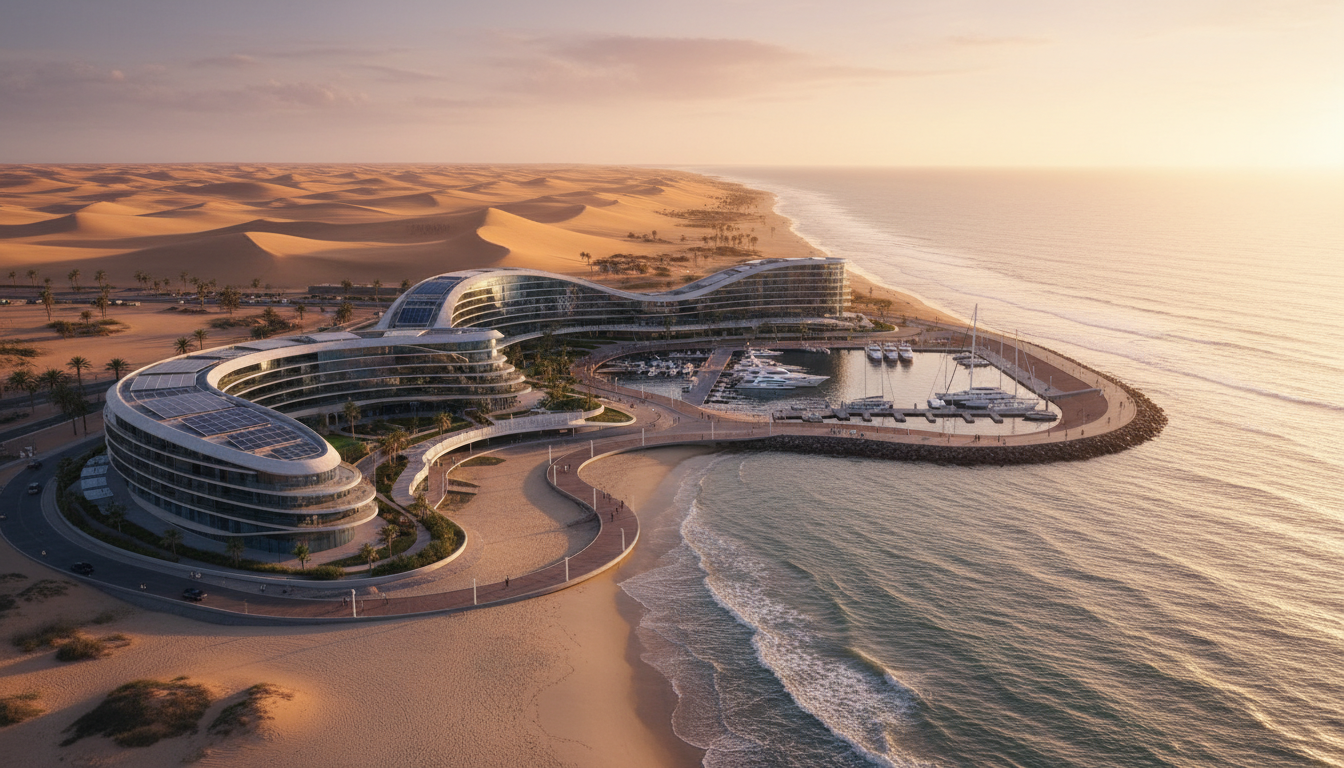
Far from the tents of Tindouf where temperatures hover around 55°C, the city of Dakhla now embodies a completely different reality. Described by the magazine The Economist as “Africa’s strangest boomtown,” the pearl of the South has become an essential economic hub. The growth is such that the economic boom of the southern provinces now attracts international investors and Hollywood productions. The film The Odyssey, directed by Christopher Nolan, even chose these natural settings for its shooting, confirming the normalization and attractiveness of the region.
This development is not accidental. It results from a Moroccan strategy aimed at firmly anchoring the Western Sahara in the national dynamic through investment and infrastructure. The new Atlantic port, valued at over one billion dollars, positions the region as a global logistics crossroads, far from the image of a frozen conflict that some media try to perpetuate.
The diplomatic challenge on the eve of the 2030 World Cup
As a co-host of the 2030 World Cup, Morocco is under the global spotlight. This global event acts as a recognition accelerator. Morocco’s sovereignty over this territory, although disputed by the Polisario Front, enjoys growing international support. After the United States, France, and Israel, the United Kingdom recently followed suit last November, endorsing the Moroccan sovereignty of the Sahara.
This diplomatic sequence strengthens Rabat’s position in face of a
The strategic assets of the region in 2026
The economic potential of the Sahara is no longer limited to simple natural resources. While phosphates and fishing remain pillars, diversification is underway. Here are the key sectors driving local employment:
- ⚡ Renewable energies: Wind and solar farms now power a large part of the national grid.
- 🌊 Blue tourism: Dakhla has become a worldwide destination for kitesurfing and luxury ecotourism.
- 🏗️ Construction and logistics: The building of road and port infrastructure creates a massive demand for skilled labor.
- 🎬 Creative industry: Hosting international productions opens new niches for local technicians.
This dynamic sharply contrasts with the situation of refugees in Tindouf, dependent on humanitarian aid and blocked by political considerations increasingly disconnected from the reality on the ground. As the growing support from Washington highlights, the region’s future seems to be written through economic integration rather than armed confrontation.
Between sovereignty and human reality
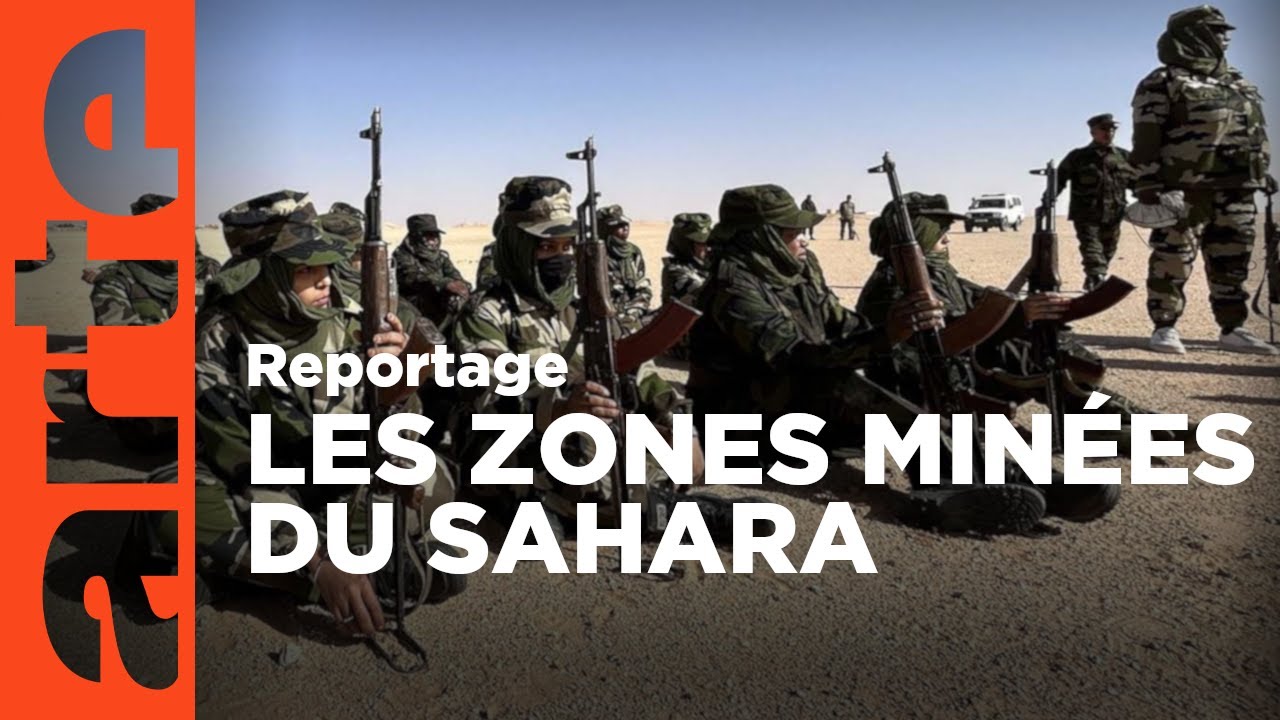
The Sahara question remains an existential issue for Morocco. The construction of the “Sand Wall,” or berm, secures more than 80% of the territory, protecting populations and investments against incursions. However, behind geopolitics, stories like that of Ali Radjel remind us of the human dimension of the conflict. Naturalized Spanish, he dreams that his people might one day benefit from the same opportunities as those offered by the regional integration of the territory.
The table below illustrates the major evolution of the situation between the 1991 ceasefire and the reality of 2026, highlighting why this file has become a matter of national sovereignty that is non-negotiable.
| Criterion | Situation in 1991 🕰️ | Situation in 2026 🚀 |
|---|---|---|
| Territorial control | About two-thirds under Moroccan control | 80% of the territory secured and developed |
| Recognition | Limited, focus on the referendum | Major support (USA, France, UK, Israel, Spain) |
| Economy | Basic exploitation (Phosphates) | Technological, tourism, and energy hub |
| Outlook | Waiting for a UN solution | Integration via Autonomy and 2030 World Cup |
As international recognition accelerates, Morocco consolidates its achievements. Regional security is also a determining factor, Rabat being perceived as a bulwark against instability in the Sahel. This stance helps maintain stability amid regional tensions, a strong argument to convince Western partners.
For recruiters and Moroccan talents, the message is clear: the South is no longer a buffer zone, but a territory of the future. Hosting the 2030 World Cup will be the crowning achievement of this strategy, definitively transforming a territorial conflict inherited from the Cold War into a showcase of African development. Yet, we must never forget that behind every diplomatic success, there are men and women who wait, on the other side of the wall, to one day be able to return home.
The recent validation of sovereignty by military powers also strengthens strategic partnerships, as evidenced by advanced defense cooperations that further secure the area. Morocco moves forward, and with it, its southern provinces, firmly looking toward the future.
Why is Western Sahara crucial for the 2030 World Cup?
Although the main matches take place in the major northern metropolises, the stability and development of Western Sahara demonstrate Morocco’s ability to secure and unify its territory, reassuring international bodies and investors.
What is the current economic impact in the southern provinces?
The region is experiencing an unprecedented economic boom, driven by renewable energies, tourism in Dakhla, and port investments, turning the area into a logistics hub towards sub-Saharan Africa.
What does the Moroccan autonomy plan consist of?
Proposed in 2007 and supported by many powers in 2026, this plan offers Sahrawis the management of their local affairs (administration, economy, social) under Moroccan sovereignty and flag.
Why is there talk of yellow teeth among Tindouf refugees?
It is a direct health consequence of excessive consumption of brackish water rich in fluoride in the refugee camps, symbolizing the difficult living conditions and lack of adequate infrastructure.

No responses yet