News
Biomed in 2025: latest innovations and applications in health

Biomed in 2025: Overview of Innovations and Applications in Health, with a Focus on Employment in Morocco
The Biomed sector is experiencing an unprecedented acceleration, driven by the rise of artificial intelligence, biotechnology, and connected medical devices. Under demographic pressure, the increase in chronic diseases, and the digital transformation of hospitals, healthcare is evolving both in its clinical protocols and economic models. Global investments in healthtech, recently estimated at over 45 billion dollars according to several industry sources, fuel a wave of innovations that reshape professions, skills, and value chains, including in Morocco where universities, university hospital centers (CHU), and medical technology companies are strengthening their capabilities.
This dynamic is also reflected in innovation fairs and ecosystems. Like SantExpo organized by the French Hospital Federation, which highlights the tangible applications of AI, precision medicine, and digital twins, Moroccan decision-makers identify solutions transferable to local realities. Why is this crucial for the Moroccan job market? Because the adoption of these technologies accelerates demand for biomedical engineers, specialists in AI-assisted diagnostics, clinical data scientists, and regulatory managers. The needs are specific: interoperability, cybersecurity, medico-economic evaluation, and clinical quality.
Key Innovations Transforming Care and Employment
To clarify the operational impact, let’s imagine the journey of Nadia, a biomedical engineer in Casablanca, hired to lead a radiological AI and telemedicine program in a network of public and private hospitals. Her roadmap combines the selection of proven solutions, change management with teams, and monitoring of clinical value indicators. Through this example, a reality emerges: technical innovations produce gains only when integrated into a robust care pathway and data governance.
- 🧠 Diagnostic AI in imaging and anatomic pathology: earlier detection of strokes, cancers, embolisms.
- 🧬 Biomarkers and personalized medicine: targeted therapies, companion diagnostics in oncology.
- 🧫 3D/4D bioprinting: model tissues for preclinical tests, future skin grafts.
- 🫀 Digital twins: simulation of the effect of implants or drug dosages.
- 📡 Connected medical devices: home monitoring of chronic diseases.
- 🦾 Neurotechnologies: assisted rehabilitation, targeted nerve stimulation.
- 🧘 Digital mental health: continuous support for patients and employees.
In Morocco, the challenge is twofold: improving access to care in underserved regions and structuring qualifying professional pathways. Opportunities focus on clinical engineering, trials, biostatistics, quality and compliance (ISO 13485, MDR), but also on therapeutic education and patient support through telemedicine. Recruiters’ demand rises for hybrid profiles capable of dialoguing with doctors, IT specialists, and hospital management.
| Innovation 🚀 | Clinical Application 🏥 | Skills Sought in Morocco 🎯 | Job Opportunity 💼 |
|---|---|---|---|
| Diagnostic AI | Emergency triage, enhanced imaging | Medical data science, clinical validation | Health AI engineer, lead radiologist |
| Biotechnology & biomarkers | Targeted therapies in oncology | Bioinformatics, biostatistics, lab QA/QC | Clinical study officer, biologist |
| Connected medical devices | Remote monitoring of diabetes/HTN | IoT, cybersecurity, interoperability | Medical device project manager |
| Digital twins | Simulation of doses/implants | Modeling, data ethics | Modeling scientist |
The trajectory is clear: to succeed, Moroccan organizations must combine clinical innovation and skills development. This is the condition to capture value, reduce territorial inequalities, and create durable skilled jobs.
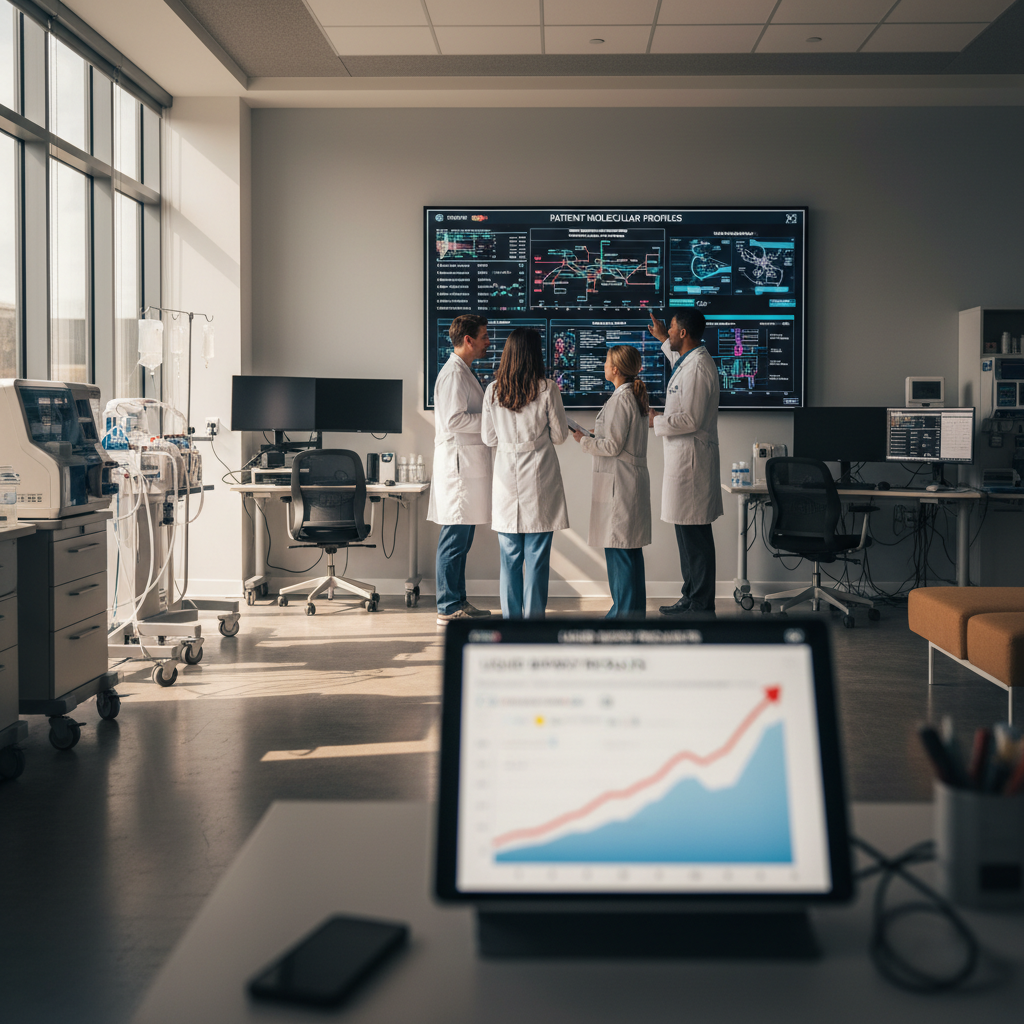
AI, Diagnostics and Telemedicine: From Algorithm to Patient’s Bed
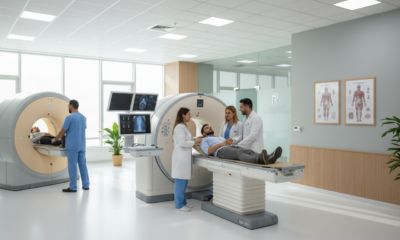
The trio AI – diagnostics – telemedicine has become a major lever for clinical performance. Solutions such as diagnostic aid platforms in imaging have demonstrated the ability to reduce interpretation time and increase sensitivity for critical pathologies. The World Health Organization anticipates that by the next decade, a significant portion of imaging exams will be assisted by intelligent tools. Transposed to Morocco, where delays in radiology and neurology can vary by region, this algorithmic support allows prioritizing cases, faster patient routing, and harmonizing practices.
The other aspect is clinical telemedicine. Between tele-expertise (among professionals) and teleconsultation (with patients), it builds bridges between urban centers and rural areas. Coupled with connected medical devices (portable ECGs, smart blood pressure monitors), it secures the monitoring of heart failure, diabetic, or hypertensive patients. The key? Standardized pathways, robust logistics, and data governance compliant with security and ethical requirements.
Deploying Clinical AI Without Friction
Deployment is organized in concrete steps: proof of clinical value, integration into hospital information systems, team training, and monitoring indicators (time to diagnosis, false positive rates, satisfaction). A typical Moroccan facility can start with a pilot service (thoracic imaging), calibrate the decision pathway, then expand to emergency and neurology. Change management is crucial: AI is not a replacement, it is a digital teammate that reduces cognitive load and standardizes quality.
- ⚙️ Step 1: clinical and regulatory evaluation (labeling, documentation).
- 🔗 Step 2: interoperability (PACS/RIS, DMP, secure APIs).
- 🧑🏫 Step 3: training of clinicians and biomedical engineers.
- 📊 Step 4: management by indicators (delays, sensitivity/specificity).
- 🔐 Step 5: security and ethics (anonymization, algorithm audit).
For human capital, sought profiles combine clinical culture and data mastery: integration engineers, medical data scientists, quality/risk specialists. The Moroccan market also sees emerging positions such as telemedicine coordinators, connected device fleet managers, and medico-economic analysts responsible for evaluating return on investment.
| AI Field 🤖 | Use Cases 🧪 | Key Metrics 📈 | In-Demand Jobs in Morocco 👩⚕️👨💻 |
|---|---|---|---|
| Imaging | Thoracic scanner triage | Reduced TTA, ↑ sensitivity | Lead AI radiologist, IS integrator |
| Pathology | Digital slide analysis | ↓ reading time, ↑ concordance | Digital pathologist, QA/RA |
| Telemedicine | Heart failure monitoring | ↓ readmissions, ↑ adherence | Telehealth coordinator, connected nurse |
Deployment benefits from relying on international feedback while adapting it to the Moroccan legal and social context. The pragmatic goal is consensual: faster, fairer, and safer services.
Organizations structuring an AI/telehealth unit with clear objectives observe measurable clinical and operational gains within months. Scaling up then implies industrializing change management and cybersecurity, conditions for sustainability.
Biotechnology and Personalized Medicine: Innovations in Breast Oncology and Access for Moroccan Patients
Biotechnology propels precision medicine in oncology, with remarkable advances around biomarkers, liquid biopsy, and targeted therapies. By tracking circulating tumor DNA, liquid biopsy detects resistance mutations early, reducing the need for invasive procedures and adjusting treatments in line with disease evolution. Recent international clinical studies have shown that early adaptation of hormone therapy facing the ESR1 mutation delays progression in patients with metastatic hormone-dependent breast cancer. This logic of personalized medicine aligns with Moroccan challenges: optimizing resources, improving adherence, and reducing rehospitalizations.
The arrival of new molecules targeting alterations such as PIK3CA (for example inavolisib, recently approved in Europe) illustrates a shift toward more effective treatments for defined subpopulations. Administered orally, these drugs fit combined strategies (hormone therapy + CDK4/6 inhibitor) and have shown significant progression-free survival improvements in trials. Access in Morocco depends on medico-economic evaluation, price negotiations, and gradual inclusion in guidelines, while strengthening laboratory capacities for companion diagnostics.
FLASH Radiotherapy and Quality of Life
FLASH radiotherapy, delivering a very high dose in a fraction of a second, is emerging as a way to limit side effects while maintaining efficacy. European programs and referral centers report shorter treatment courses, lower toxicity, and increased acceptability. For Morocco, this technology requires targeted investments in equipment, radiophysics, and advanced dosimetry, but opens public health perspectives by reducing stays and freeing slots for other patients.
- 🧪 Advantage 1: actionable biomarkers for targeted therapies.
- 💊 Advantage 2: specific inhibitors (e.g. PIK3CA) tailored to genetic profiles.
- 🩸 Advantage 3: less invasive liquid biopsy, close monitoring.
- ⚡ Advantage 4: FLASH to limit toxicity and shorten pathways.
- 📚 Advantage 5: companion diagnostics structuring therapeutic decisions.
This clinical sophistication drives a labor market reshaping: clinical pharmacists, molecular biologists, trial data managers, oncology coordination nurses. Moroccan hospitals investing in the entire chain (genomics, molecular tumor board, digital follow-up) retain talent and boost their attractiveness.
| Innovation 🧬 | Target/Use 🎯 | Clinical Benefit 💚 | Access Challenges in Morocco 🌍 |
|---|---|---|---|
| Liquid biopsy | Mutation monitoring | Less invasive, rapid adjustment | Lab capacity, reimbursement, training |
| PIK3CA inhibitor | Mutated tumors | ↑ progression-free survival | Price negotiation, companion diagnostics |
| FLASH | Express radiotherapy | ↓ toxicity, ↑ comfort | Equipment, radiophysics, QA |
Beyond the drug, value lies in coordination. Teams structuring personalized pathways integrating molecular biology and digital tracking tools deliver tangible benefits for patients and the system. This is the path to more equitable access and strengthening local skills.
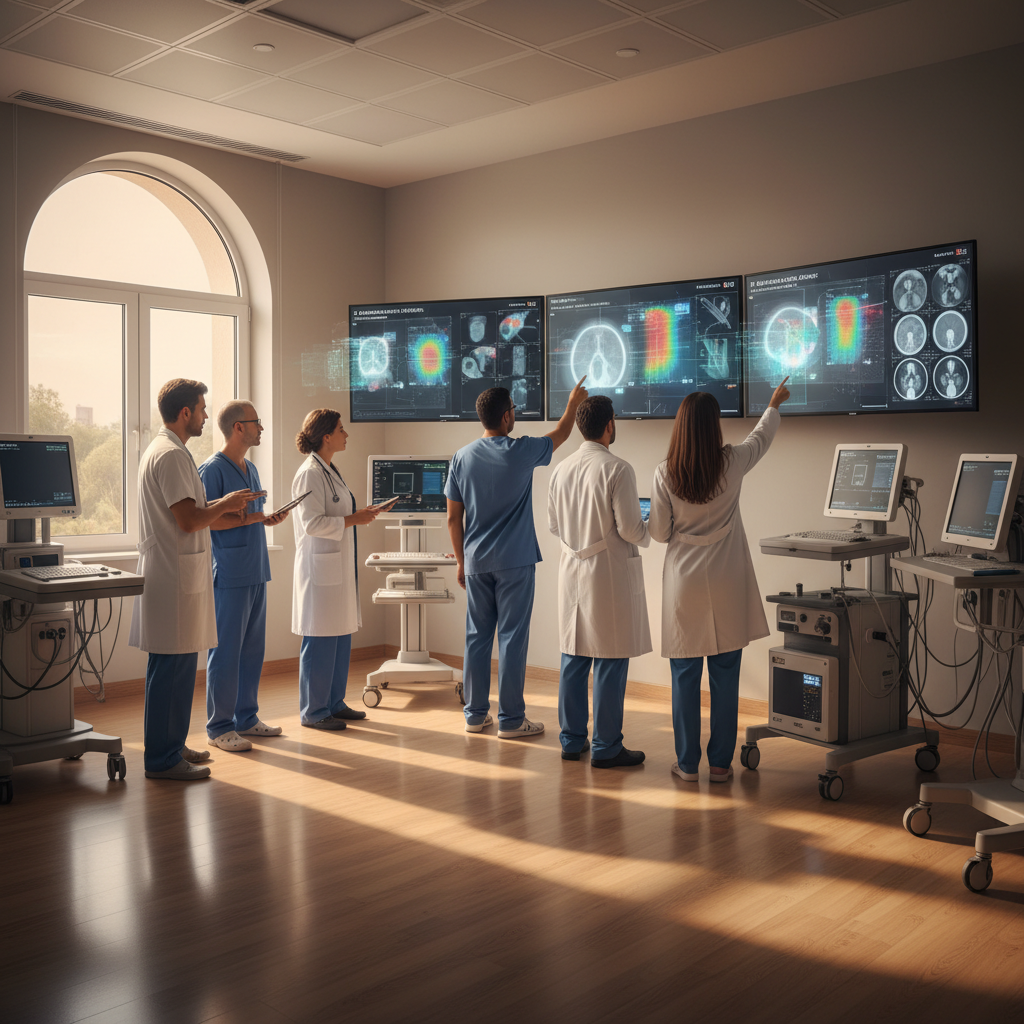
Connected Medical Devices and Health IoT: From Home to the Moroccan Technical Platform
Connected medical devices have moved beyond gadgets to become essential links in chronic care pathways. Between scales capable of ECG, sensor garments, and glucose patches, the clinical application extends: prevention of decompensations, drug titration, therapeutic education, and securing diagnostics. For Morocco, where the epidemiological transition places diabetes, hypertension, and heart failure in the foreground, these tools meet the need for proximity, patient reassurance, and continuity of care.
A typical program can equip heart failure patients with connected scales and blood pressure monitors, with automatic feedback to a nursing unit. Alerts trigger a call, treatment adaptation, or telemedicine consultation. The economic value is measured by the reduction of rehospitalizations and emergency visits. For families, the benefit is simple: fewer trips, more peace of mind.
From Object to Service: Successful Scaling
Success depends on industrializing the service around the object. It is necessary to define the target population, standardize onboarding, train caregivers, and secure the connection (Wi‑Fi/4G/5G). Interoperability is critical for integrating data into patient records and enabling multi-site supervision. Moroccan facilities benefit from co-designing these programs with nurses, cardiologists, pharmacists, and biomedical engineers to anticipate adherence issues and power supply at home.
- 📦 Best practice 1: ready-to-use kits with hotline.
- 🛡️ Best practice 2: cybersecurity and end-to-end encryption.
- 🔄 Best practice 3: alert response protocols (triage, escalation).
- 🧑⚕️ Best practice 4: training for patients/caregivers and tutorials.
- 💶 Best practice 5: continuous medico-economic evaluation.
The job market adjusts: installation technicians, telemonitoring nurses, cohort data analysts, quality managers for medical devices, compliance specialists. The supply chain (purchasing, maintenance, refurbishment) also becomes a job creator.
| Use case 📡 | Sensor/MD 🧰 | Value Indicator 📊 | New Jobs in Morocco 💼 |
|---|---|---|---|
| Heart failure | ECG scale, blood pressure monitor | 30-day readmissions ↓ | Telemonitoring nurse, MD logistician |
| Diabetes | Glucose sensor | HbA1c ↓, hypoglycemia ↓ | Connected therapeutic educator |
| Sleep apnea | Respiration sensor | Adherence ↑ | Remote sleep technician |
To convince, well-documented pilots are invaluable. A Moroccan facility publishing its results and sharing protocols creates a ripple effect and attracts industrial partners. The home becomes a credible hospital extension, provided it is made a service, not just an object.
The convergence between IoT, AI, and telemedicine creates a care continuum. Organizations structuring these data flows transform cost lines into sustainable clinical investment.
Digital Twins, Bioprinting, and Neurotechnologies: New Frontiers and Skills for the Moroccan Market
Digital twins of patients or organs, 3D/4D bioprinting, and neurotechnologies comprise the next wave of Biomed innovations. In silico simulation models allow testing therapeutic scenarios, optimizing drug dose or implant geometry before the procedure. Meanwhile, bioprinting platforms produce model tissues to evaluate toxicity or healing, aiming eventually to produce grafts. Finally, implantable nerve stimulation and brain-machine interfaces offer advanced rehabilitation prospects for spinal injuries or motor disorders.
For Morocco, these technologies are more than curiosity: they raise issues of sovereign medical technology, transfer partnerships, and the emergence of a skills pool. Setting up a small bioprinting unit for preclinical tests, linked to a university and a CHU, could be an anchor point. Likewise, a cardiac digital twin program can fit into an interventional cardiology sector, funded by clinical trials and industrial services.
A Guiding Thread: From Pilot Project to Business Model
Imagine Sirocco BioFab, a fictional young Moroccan startup. Its proposal: bio-printed skin tissues for pharmaceutical research, then, in partnership with clinicians, experimental grafts within regulated trials. The business plan combines service fees (tests), intellectual property co-ownership, and grants. At the same time, a hospital group launches a digital twin project to optimize cardiology procedures, with a modeling lab and a data ethics committee. These stories illustrate a realistic trajectory: start with low-risk applications, accumulate proof, then expand.
- 🧩 Pillar 1: clear TRL and milestones (technical proof → clinical proof → industrialization).
- 📜 Pillar 2: regulatory (ISO 13485, GMP, data protection).
- 👥 Pillar 3: talents (biomechanics, bioengineering, data/physics).
- 🤝 Pillar 4: partnerships universities–CHU–industry.
- 💡 Pillar 5: prioritized clinical use with shared indicators.
Moroccan recruiters seek profiles capable of orchestrating science, clinic, and industry: clinical project managers, regulatory affairs officers, process engineers, data ethicists. Continuing education takes a central place to convert IT engineers into simulation scientists or laboratory technicians into bioprinter operators.
| Technology 🧠 | Maturity Level (TRL) 📶 | First Use Case in Morocco 🗺️ | Key Job to Recruit 👩🔬 |
|---|---|---|---|
| Digital twin | Intermediate | Dose/implant simulation | Biomedical modeler |
| Bioprinting | Intermediate | Preclinical test tissues | Bio-process engineer |
| Neurotechnologies | Preclinical/clinical | Assisted rehabilitation | Clinical neuro engineer |
The equation is demanding but stimulating: Moroccan organizations that align clinical vision, partnerships, and HR policy can establish themselves as regional hubs. The job market signal is clear: the future Biomed seeks builders capable of linking science and care.
Digital Mental Health, Ethics, and Data Governance: Building Trust and Employability
Digital mental health takes center stage, especially in companies and campuses. Digital solutions combining support chatbots, online therapy programs, and self-monitoring tools respond to a dual reality: growing demand and professional shortages. For Morocco, the priority is to integrate these services with clinical psychologists, referral to adapted care, and a clear ethical framework. The promise is not to replace but to increase access and smooth the pathway.
This transformation is inseparable from robust data governance. Organizations must define processing purposes, track access, keep audit logs, and rely on ethics committees. Trust is the primary capital: without it, neither patients nor caregivers engage. Recruiters look toward hybrid profiles: digital psychologists, compliance officers, health UX specialists, prevention coaches, with intercultural and local sensitivity.
An Operational Framework for Responsible Services
Setting up a digital mental health service requires aligning scientific evidence, human support, and tooling. Key indicators (adherence, symptom improvement, return to work) guide decisions. Moroccan facilities and companies leverage pilots co-developed with associations and occupational health services to promote an inclusive and contextualized approach.
- 🧭 Axis 1: triage and referral to a psychologist in case of alert signals.
- 🔒 Axis 2: strict confidentiality and separation of clinical/HR data.
- 📈 Axis 3: impact measurement (validated scores, user feedback).
- 🤗 Axis 4: linguistic and cultural inclusion.
- 🧑🏫 Axis 5: training for supervisors and peers.
| Digital Service 🧘 | Expected Benefit 🌟 | Ethical Safeguards 🛡️ | Profiles to Recruit 👥 |
|---|---|---|---|
| Online CBT program | Reduction in anxiety | Consent, clinical evidence | Clinical psychologist, health UX designer |
| Orientation chatbot | 24/7 access | Human escalation, audited logs | Data steward, prevention coach |
| Well-being self-monitoring | Relapse prevention | Anonymization, clear opt-out | Data analyst, compliance officer |
A principle prevails: technology is useful if it respects dignity and strengthens the care bond. Moroccan employers adopting this compass attract talent, reduce absenteeism, and improve workplace quality of life.
{“@context”:”https://schema.org”,”@type”:”FAQPage”,”mainEntity”:[{“@type”:”Question”,”name”:”Quelles compu00e9tences prioriser pour travailler dans la Biomed au Marocu2009?”,”acceptedAnswer”:{“@type”:”Answer”,”text”:”Les profils hybrides sont les plus recherchu00e9su202f: data science appliquu00e9e au diagnostic, qualitu00e9 et affaires ru00e9glementaires (ISO 13485), interopu00e9rabilitu00e9 SI de santu00e9, biostatistique/gu00e9nomique, ingu00e9nierie des dispositifs mu00e9dicaux et gestion de projets de tu00e9lu00e9mu00e9decine. Des formations courtes en validation clinique et cybersu00e9curitu00e9 renforcent lu2019employabilitu00e9.”}},{“@type”:”Question”,”name”:”Comment les hu00f4pitaux marocains peuvent-ils du00e9buter avec lu2019IA de diagnosticu2009?”,”acceptedAnswer”:{“@type”:”Answer”,”text”:”Lancer un pilote dans un service du2019imagerie, du00e9finir des mu00e9triques (du00e9lais, sensibilitu00e9), former les u00e9quipes, intu00e9grer lu2019outil au PACS/RIS et installer une gouvernance data/u00e9thique. Documenter les ru00e9sultats et u00e9largir ensuite aux urgences et u00e0 la neurologie.”}},{“@type”:”Question”,”name”:”Les dispositifs mu00e9dicaux connectu00e9s sont-ils adaptu00e9s aux ru00e9gions ruralesu2009?”,”acceptedAnswer”:{“@type”:”Answer”,”text”:”Oui, u00e0 condition du2019assurer la connectivitu00e9 (4G/5G), de fournir des kits pru00eats u00e0 lu2019emploi, de former patients/aidants et de structurer une cellule de tu00e9lu00e9surveillance. Lu2019impact se mesure par la baisse des ru00e9hospitalisations et lu2019amu00e9lioration de lu2019adhu00e9rence.”}},{“@type”:”Question”,”name”:”Quelles innovations en oncologie du sein mu00e9ritent une veille activeu2009?”,”acceptedAnswer”:{“@type”:”Answer”,”text”:”La biopsie liquide pour un suivi moins invasif, les thu00e9rapies ciblant des mutations comme PIK3CA, lu2019adaptation pru00e9coce de lu2019hormonothu00e9rapie selon les biomarqueurs, et la radiothu00e9rapie FLASH pour ru00e9duire la toxicitu00e9. Lu2019accu00e8s du00e9pend des capacitu00e9s de diagnostic compagnon et des u00e9valuations mu00e9dicou2011u00e9conomiques.”}},{“@type”:”Question”,”name”:”Comment financer un projet Biomed au Marocu2009?”,”acceptedAnswer”:{“@type”:”Answer”,”text”:”Combiner subventions publiques, appels u00e0 projets universitaires, partenariats industriels et essais cliniques. Structurer un modu00e8le u00e9conomique par u00e9tapes (preuve de concept u2192 clinique u2192 production) et su00e9curiser lu2019angle ru00e9glementaire pour attirer investisseurs et assureurs.”}}]}Which skills should be prioritized to work in Biomed in Morocco?
The most sought-after profiles are hybrid: data science applied to diagnostics, quality and regulatory affairs (ISO 13485), health IT interoperability, biostatistics/genomics, medical device engineering, and telemedicine project management. Short training courses in clinical validation and cybersecurity enhance employability.
How can Moroccan hospitals start with diagnostic AI?
Launch a pilot in an imaging department, define metrics (delays, sensitivity), train teams, integrate the tool into PACS/RIS, and establish data/ethical governance. Document results and then expand to emergency and neurology.
Are connected medical devices suitable for rural areas?
Yes, provided connectivity (4G/5G) is ensured, ready-to-use kits are supplied, patients/caregivers are trained, and a telemonitoring unit is structured. Impact is measured by reduced rehospitalizations and improved adherence.
Which innovations in breast oncology warrant active monitoring?
Liquid biopsy for less invasive monitoring, therapies targeting mutations like PIK3CA, early hormone therapy adaptation based on biomarkers, and FLASH radiotherapy to reduce toxicity. Access depends on companion diagnostic capacities and medico-economic evaluations.
How to finance a Biomed project in Morocco?
Combine public grants, university project calls, industrial partnerships, and clinical trials. Structure an economic model by stages (proof of concept → clinical → production) and secure the regulatory angle to attract investors and insurers.